Great Lakes
Understanding the Recent EPA Funding for Tribal Water Systems
A closer look at the EPA's initiative to enhance water services for Tribal communities in the Midwest.
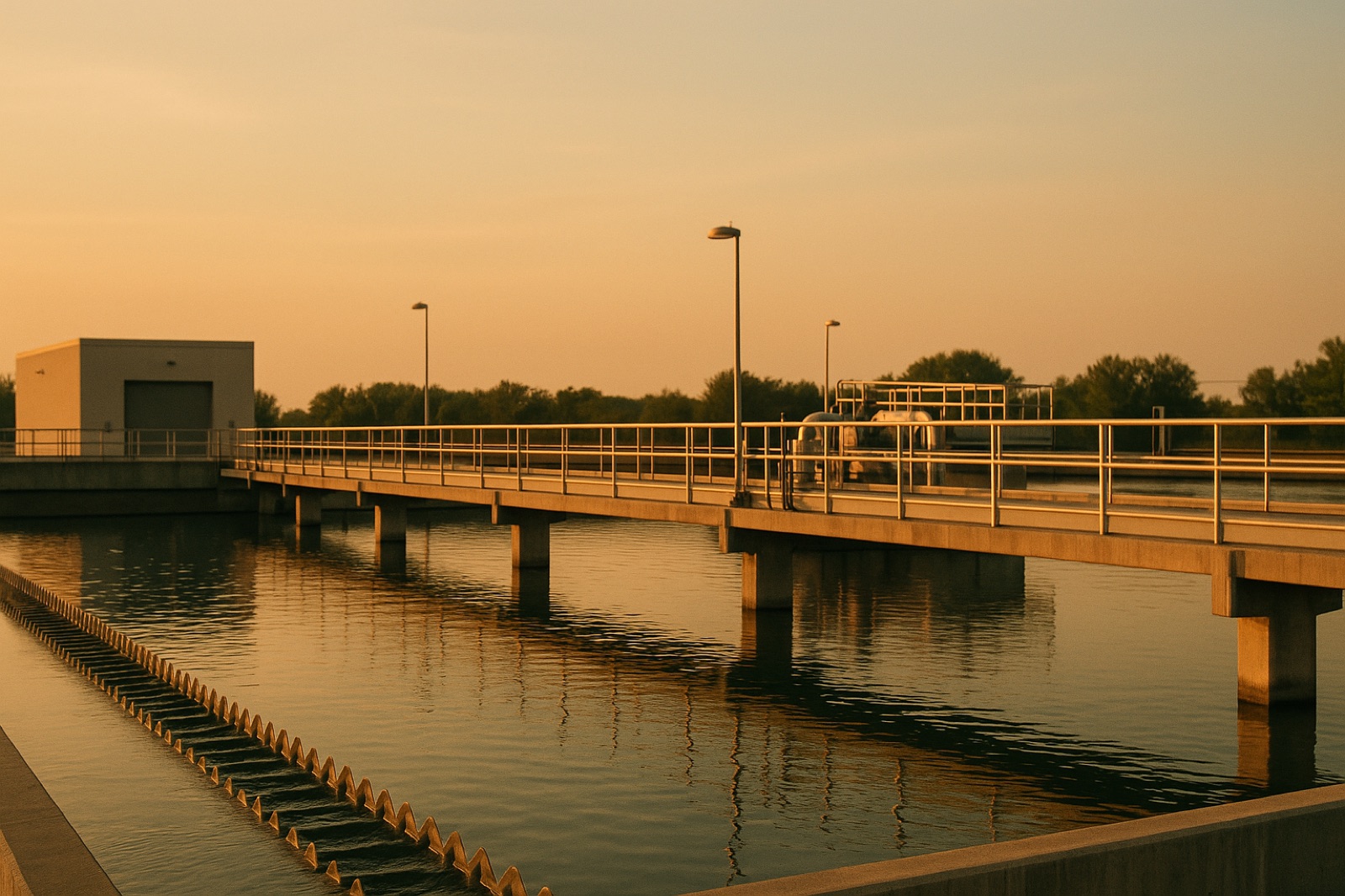
In June 2023, the U.S. Environmental Protection Agency (EPA) announced a significant funding initiative aimed at improving drinking water and wastewater services for American Indian Tribes and Alaska Native Villages. This funding, which amounts to more than $227 million, is a pivotal step toward ensuring that these communities gain access to safe and reliable drinking water, a fundamental human right.
Contextualizing the Funding
The announcement of this funding comes at a critical moment when many Tribal communities face systemic challenges in accessing clean water. The EPA has pointed out that this financial support will aid in the construction and improvement of water infrastructure, which is often outdated or entirely absent in these regions. The objective is not only to provide immediate relief but also to build sustainable systems that can endure for future generations.
As the EPA highlighted, these investments are designed to address long-standing issues related to water equity. For many years, environmental justice advocates have pointed out the disparities in water quality and access between Tribal communities and the broader population. This funding is a recognition of those disparities and an attempt to rectify them.
Implications for Midwest Water Systems
The Midwest, particularly areas with significant Tribal populations, could see substantial benefits from this initiative. Access to clean water has dire implications for health, economic development, and overall quality of life. By investing in water infrastructure, the EPA is not merely addressing present needs; it is also laying the groundwork for improved public health outcomes and economic resilience in these communities.
For example, clean water access can enhance educational outcomes by reducing absenteeism linked to waterborne illnesses. Moreover, modern water systems can support local economies by attracting businesses that require a dependable water supply. This investment can lead to a cycle of improvement that uplifts entire communities.
Challenges Ahead
While the funding is a positive step, it is essential to recognize that challenges remain. Implementing new infrastructure takes time, skilled labor, and ongoing maintenance. The unique geography and existing conditions in Tribal lands can complicate these efforts. Additionally, the integration of advanced technologies - such as those used in regional treatment companies that test private wells - will be crucial to ensure the longevity and effectiveness of these new systems.
Furthermore, the sustainability of these initiatives will depend on collaborative efforts among various stakeholders, including Tribal governments, state agencies, and non-profit organizations. A multi-faceted approach that includes community input and prioritizes local knowledge will be essential for the successful implementation of any water service projects.
Looking Forward
The recent EPA funding announcement, as reported by Water Finance and Management, is a promising development for Tribal communities in the Midwest. It highlights the importance of addressing historical inequities and underscores the federal government's commitment to improving the lives of Indigenous peoples. As these funds are allocated and projects are initiated, it will be crucial to monitor the progress and outcomes to ensure that they meet the intended goals of enhancing water accessibility and quality.
In conclusion, the $227 million funding initiative by the EPA offers a significant opportunity for Tribal communities in the Midwest to transform their water systems. By focusing on sustainable practices and collaborative efforts, these communities can work toward a future where access to clean water is no longer a struggle but a standard. Continued attention to these developments will be essential in fostering a more equitable water landscape in the Midwest.