Infrastructure
The Screen Goes Dark, and the Hand Valve Is the Plan
A recent trade column argues that operational visibility now matters as much as equipment control, which means a town's water staff should be able to run the plant when the display is gone.
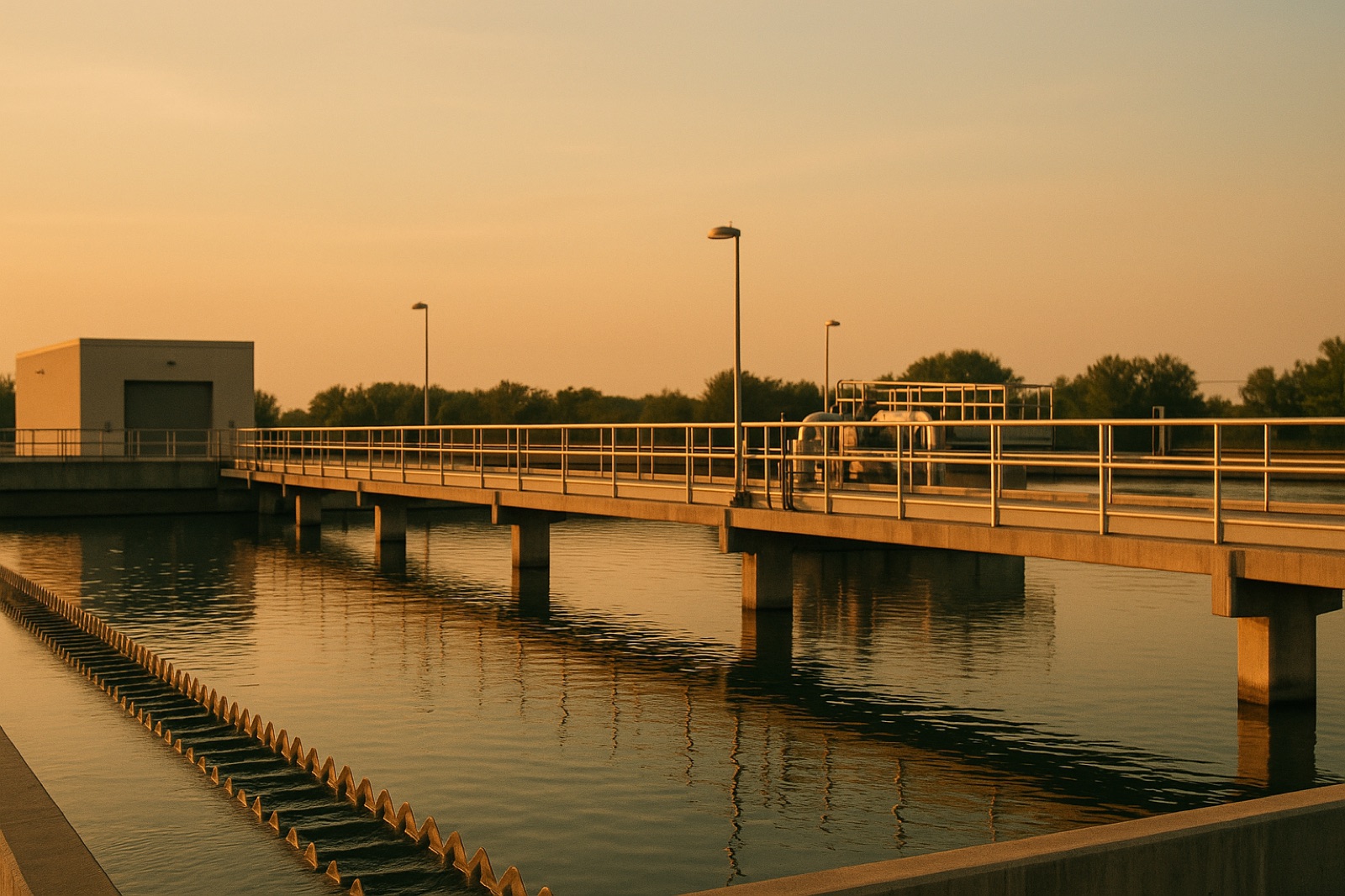
Most conversations about water automation start with the equipment. A pump starts when a tank drops. A valve opens when pressure falls. A chemical feed runs on a timer. The control system handles those jobs, and the pitch usually follows the same path. A trade column from Water Finance and Management, written by Nan Johnson, starts from a different place. It observes that "Not long ago, automation was viewed primarily as a way to improve equipment operation," and its headline makes the larger point that operational visibility has become just as important as equipment control.
What the screen is really showing
A plant display is a summary. It shows the values someone decided to collect, at the rate the system collects them, arranged the way the vendor or the operator chose. A tank level on a screen is a reading from one sensor, sent over one communication path, and judged against one set of alarm limits. When those limits are set well, the screen tells a crew where to look. When they are set loosely, or when a sensor drifts out of calibration, the screen can look calm while the plant is not.
That is why visibility and control are separate jobs. Control makes the equipment do what it was told. Visibility tells people whether what they asked for is actually happening. A town can have sound control and still have weak visibility if only one person understands the alarm settings, the sensor locations, and the reasons behind them.
The manual route is part of the design
Every automated plant should have a way to run without its screen. That might mean a hand position on a valve, a local switch at a pump, or a written procedure that tells an operator which valve to close first when the remote link goes down. These routes tend to get less attention than the display, partly because a working screen makes them feel unnecessary. Nobody thinks about the handwheel until the handwheel is the only thing that works.
Ask a crew to show you the manual route on a day when the system is running normally. Watch whether the handwheel turns freely, whether the local panel is labeled in terms the current staff understand, and whether the steps match what is posted in the control room. A procedure that has never been walked through is a guess, and a guess is hard to trust when a pump is failing and the town is waiting.
Training for the day the display fails
Operators who learn a plant mostly through its screen can develop a narrow picture of it. They know which number turns red. They may not know what a pump sounds like when it is running dry, or which valve takes over the flow when the automatic one sticks. Small systems feel this more, because a single operator or a small crew may cover several shifts and several jobs at once, with little time to practice the work that the screen usually handles for them.
A practical check is simple. Pick one common fault, such as a lost signal from a remote tank, and ask the staff to describe what they would see, what they would check first, and whom they would call. Then ask whether the answer depends on one particular person being present. If it does, the visibility work is not finished, no matter how many points the system reports.
Questions for a town board
Board members do not need to read a control schematic to ask useful questions. They can ask who can run the plant if the remote screen is unavailable for a full day. They can ask when the manual procedures were last practiced, and whether the written steps still match the equipment in the building. They can ask whether alarm limits have been reviewed since the last major repair or equipment change. None of these questions requires a vendor to explain its product, and all of them point to the same conclusion: a town needs people who understand the plant, not only a display that describes it.
The same logic at home
A private well owner faces a smaller version of this problem. A household rarely has a control panel, but it does have a pressure tank with a gauge, perhaps a treatment unit with its own indicator, and a habit of assuming the water is fine because the tap runs. Homeowners who add treatment often find that the unit needs its own maintenance record and its own testing schedule. Some choose to consult reverse osmosis specialists serving the St. Louis area before installing anything, so the system fits their particular water rather than a generic setup. The screen question applies there too. A home treatment unit is only as useful as the owner's ability to notice when it has stopped doing its job.