Great Lakes
The Great Lakes: A Water Resource in Peril
Exploring the challenges facing the Great Lakes and potential solutions for safeguarding this vital resource.
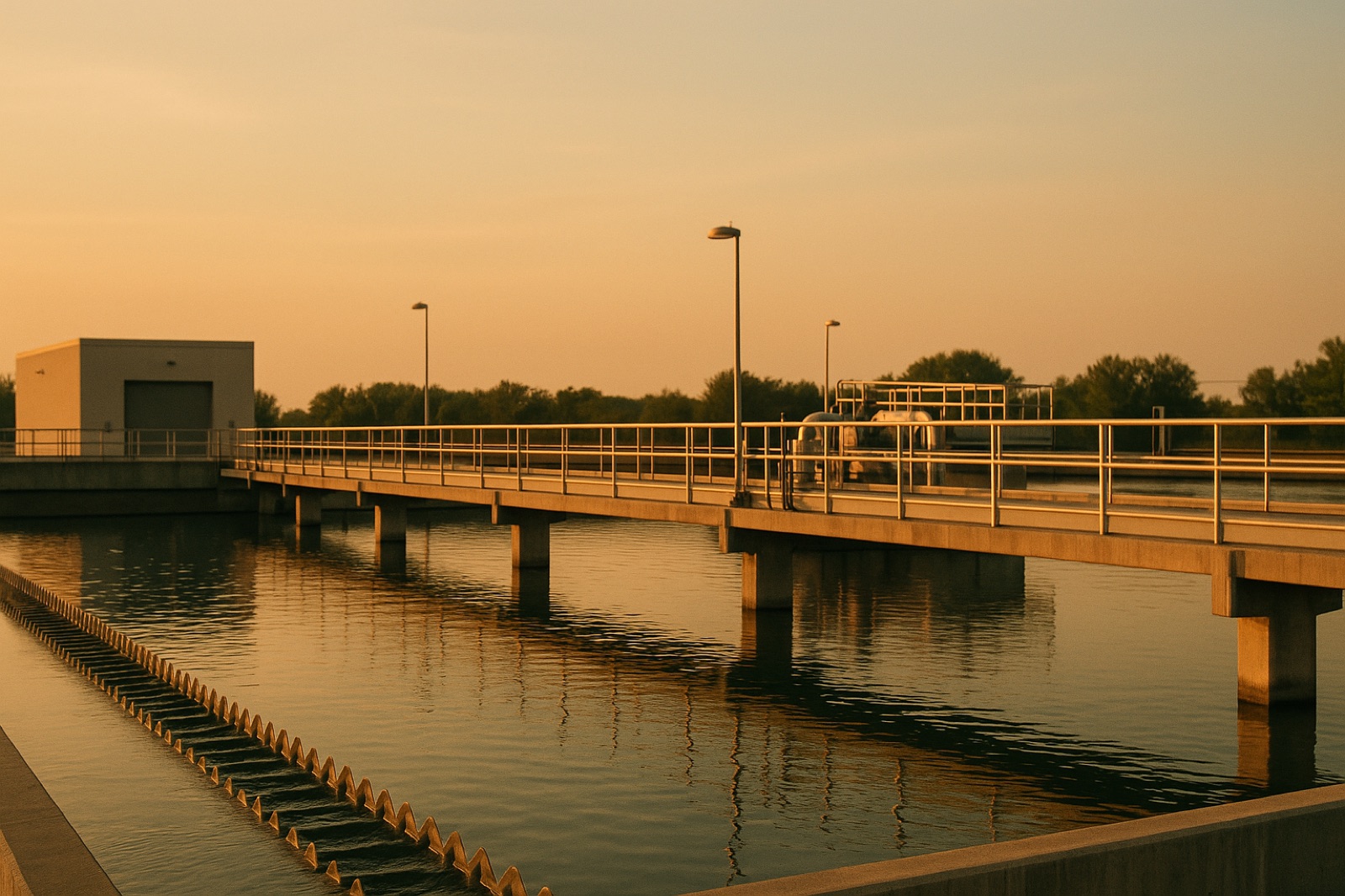
The Great Lakes, which hold about 20 percent of the world’s fresh surface water, are a critical resource for millions of people in the Midwest. This vast system not only supports drinking water supplies but also sustains local ecosystems, recreation, and the economy. However, various threats are putting this essential resource at risk. Understanding these challenges and potential solutions is vital for the communities that depend on the lakes.
Challenges to Water Quality
One of the most pressing issues facing the Great Lakes is water quality degradation. Agricultural runoff, urban stormwater, and industrial discharges contribute to the contamination of the lakes. Nutrient pollution, primarily from phosphorus and nitrogen, leads to harmful algal blooms, which can produce toxins that threaten both human health and aquatic life.
Efforts to manage nutrient pollution have gained traction in recent years. The Great Lakes Water Quality Agreement, a collaborative effort between the United States and Canada, aims to restore and protect the waters of the Great Lakes. To meet the goals set forth in this agreement, stakeholders must implement best management practices in agriculture and improve wastewater treatment processes.
Invasive Species
Another significant concern for the Great Lakes is the introduction of invasive species, which can disrupt local ecosystems and outcompete native species. Species such as zebra mussels and Asian carp have already caused considerable ecological harm. Addressing the spread of these invasives requires a comprehensive approach, including monitoring and prevention efforts.
State and federal agencies, along with nonprofit organizations, have initiated various programs to control invasive species. These include public education campaigns, boat inspections, and habitat restoration projects aimed at supporting native species. However, the path forward is complex and requires ongoing collaboration among multiple stakeholders.
Climate Change Impacts
Climate change is another factor influencing the Great Lakes. Rising temperatures and changing precipitation patterns can lead to increased evaporation and altered hydrology, potentially diminishing water levels in the lakes. These changes not only affect drinking water supplies but also have implications for shipping, recreation, and tourism.
Adaptation strategies are essential for minimizing the impacts of climate change on the Great Lakes. For example, communities can invest in green infrastructure to manage stormwater more effectively and enhance resilience against flooding. Moreover, scientific research focused on understanding climate dynamics in the region is critical for informing policy decisions.
Community Engagement and Action
Addressing these complex challenges requires active engagement from local communities. Organizations and citizens alike are stepping up to advocate for policies that protect the Great Lakes. Initiatives such as shoreline cleanups, citizen science programs, and local advocacy campaigns are crucial for fostering a sense of stewardship among residents.
One recent example of community action is highlighted in a The Guardian article that discusses how residents across party lines are uniting to protect their local environment. While the context of this article relates to a border wall in Texas, the underlying theme of community mobilization is relevant to efforts aimed at safeguarding the Great Lakes.
Future Outlook
As we look to the future, the health of the Great Lakes hinges on our ability to confront these challenges head-on. By supporting policies that prioritize water quality, addressing the threat of invasive species, and adapting to climate change, communities can work together to preserve this invaluable resource for generations to come.
In summary, the Great Lakes face numerous threats that require coordinated efforts from individuals, organizations, and governments. By staying informed and engaged, we can help protect this vital resource that plays a central role in the identity and economy of the Midwest.