Missouri
What Will This Water Treatment Quote Not Fix? A St. Louis Comparison Guide
Before choosing equipment, homeowners should compare each company’s diagnosis, exclusions, credentials, operating costs, warranty and plan for proving the system works.
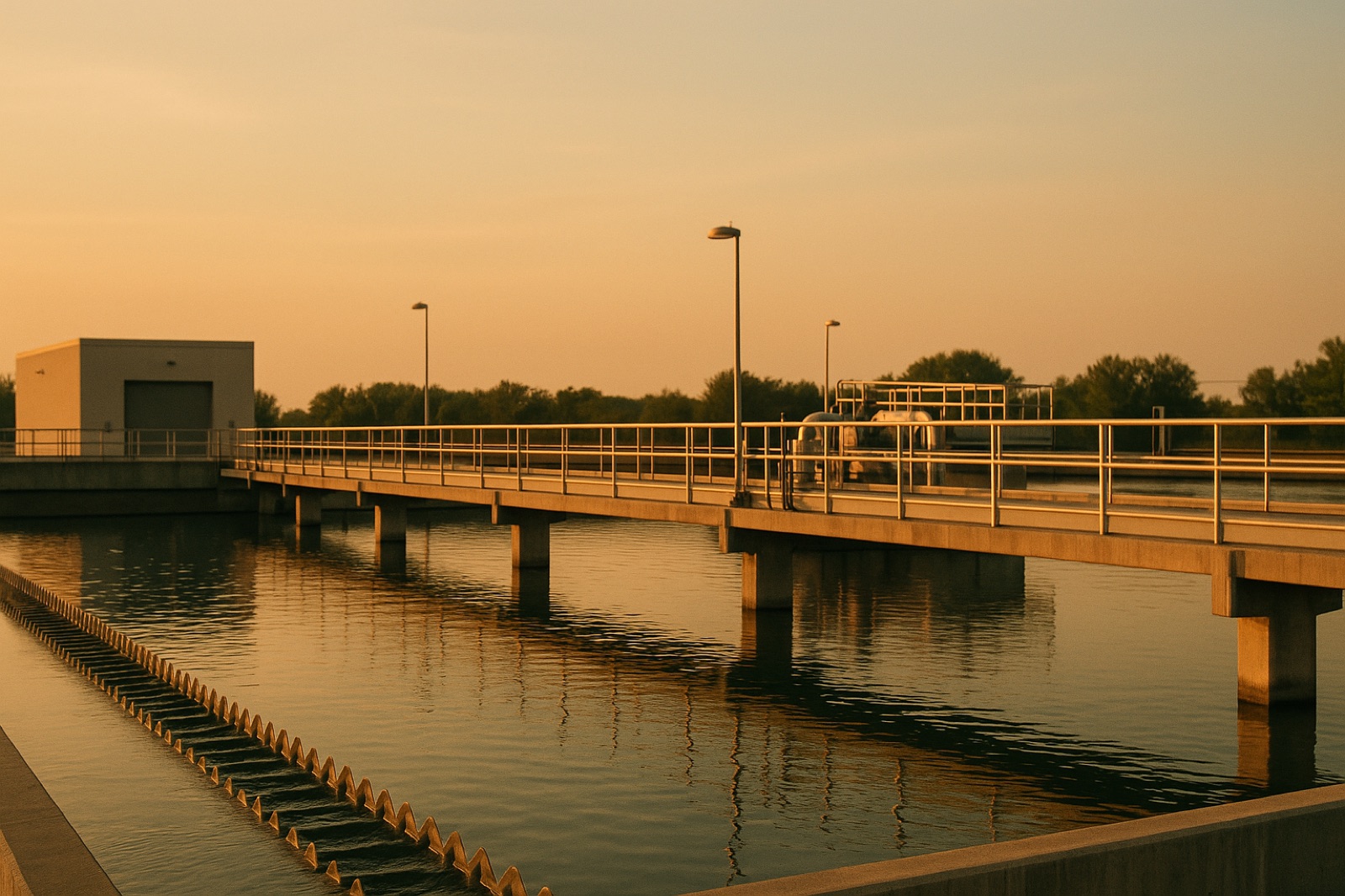
A water treatment estimate is easier to evaluate when it says what the proposed equipment will not do.
That may sound backward. But St. Louis homeowners often begin with a broad concern such as taste, staining, scale, an odor or uncertainty about an older house. A company can recommend a capable product while leaving unanswered whether that product addresses the original concern.
The useful comparison is therefore not brand against brand. It is diagnosis against diagnosis, treatment against treatment and evidence against evidence.
Start with the water problem and its location
Write down what prompted the search and where it appears. Is the concern at every fixture, only at the kitchen tap or mainly around the water heater? Does the home receive utility water, use a private well or have another arrangement? Bring any laboratory report or utility water quality report you already have.
Home treatment also should not be confused with source-water protection. A 2026 Circle of Blue story by Keith Schneider describes how The Land Institute, founded in Salina, Kansas, in 1976, has connected agriculture with conserving soil and water and managing waste. The Kansas agriculture and water story is a reminder that water quality begins well before water reaches a house. A household device treats water at a particular point. It does not repair conditions across a watershed, farm field or public distribution system.
Ask each vendor to put the target problem in writing. Then ask what evidence supports that diagnosis, what the proposed unit is designed to reduce and what it is not designed to reduce.
Match the treatment type to the job
Common categories solve different problems. Sediment filters capture particles. Activated carbon can address certain tastes and odors. Softeners exchange minerals associated with hardness. Reverse osmosis sends water through a membrane, usually for selected drinking and cooking taps. Ultraviolet equipment is intended for microbial control under specified operating conditions. No category is a universal answer.
For every option, ask where it will be installed, which taps it serves, whether it needs electricity or a drain, how much space it requires and what happens during a power outage or missed maintenance. If a vendor proposes several stages, request the purpose of each stage separately.
Make testing and credentials specific
A sales demonstration is not automatically the same thing as an independent laboratory analysis. Ask who collected the sample, which laboratory performed the work, what was measured and whether the result is recent enough to represent the water being treated.
If certification is mentioned, request the exact standard number, the certified model name and a place to verify the listing. Ask whether the entire system carries that certification or only one component. Also identify who will perform plumbing and electrical work, what permits may apply and how the homeowner can verify any credential required locally.
Compare the full obligation, not only the equipment
Put the initial price beside the expected schedule and price of filters, salt, lamps, membranes, testing and service calls. Ask whether consumables are proprietary, whether another local company can service the unit and whether removal of old equipment is included.
Read the warranty for separate coverage periods on tanks, valves, electronics, pumps and labor. Record exclusions, required maintenance and who pays for travel, shipping or diagnostic work. Finally, ask what test or observable result will be used after installation to show that the promised improvement occurred.
A printable vendor scorecard
Print this list for each estimate and fill in every blank before comparing totals:
Company: ________ Date: ________
Problem named in writing: ____________________
Evidence or test used: ____________________
Treatment type and model: ____________________
Fixtures served: ____________________
What it will not address: ____________________
Certification and verification source: ____________________
Installer credentials and permits: ____________________
Upfront price: ________
Recurring supplies and schedule: ____________________
Service response and call charge: ____________________
Parts warranty: ________ Labor warranty: ________
Post-installation check: ____________________
Cancellation, financing or removal terms: ____________________
When those lines are complete, a homeowner can request a local water-treatment assessment with a clearer description of the problem and a consistent set of questions.
There is evidence that readers are looking for this help. A Midwest Water News traffic snapshot reports 3,747 page views, 1,818 visitors, 1,938 search crawls and 3,304 AI crawls. Those numbers show site activity, not how many readers requested estimates or hired a company. No assistance or customer relationship management data were supplied, so the figures cannot establish conversions. They do support publishing a practical guide that helps a reader such as Erica compare the next quote on equal terms.