Great Lakes
Spotlight on Saltwater Intrusion: A Growing Threat for Midwest Water Systems
Saltwater intrusion is an emerging challenge that Midwest communities need to understand as climate change progresses.
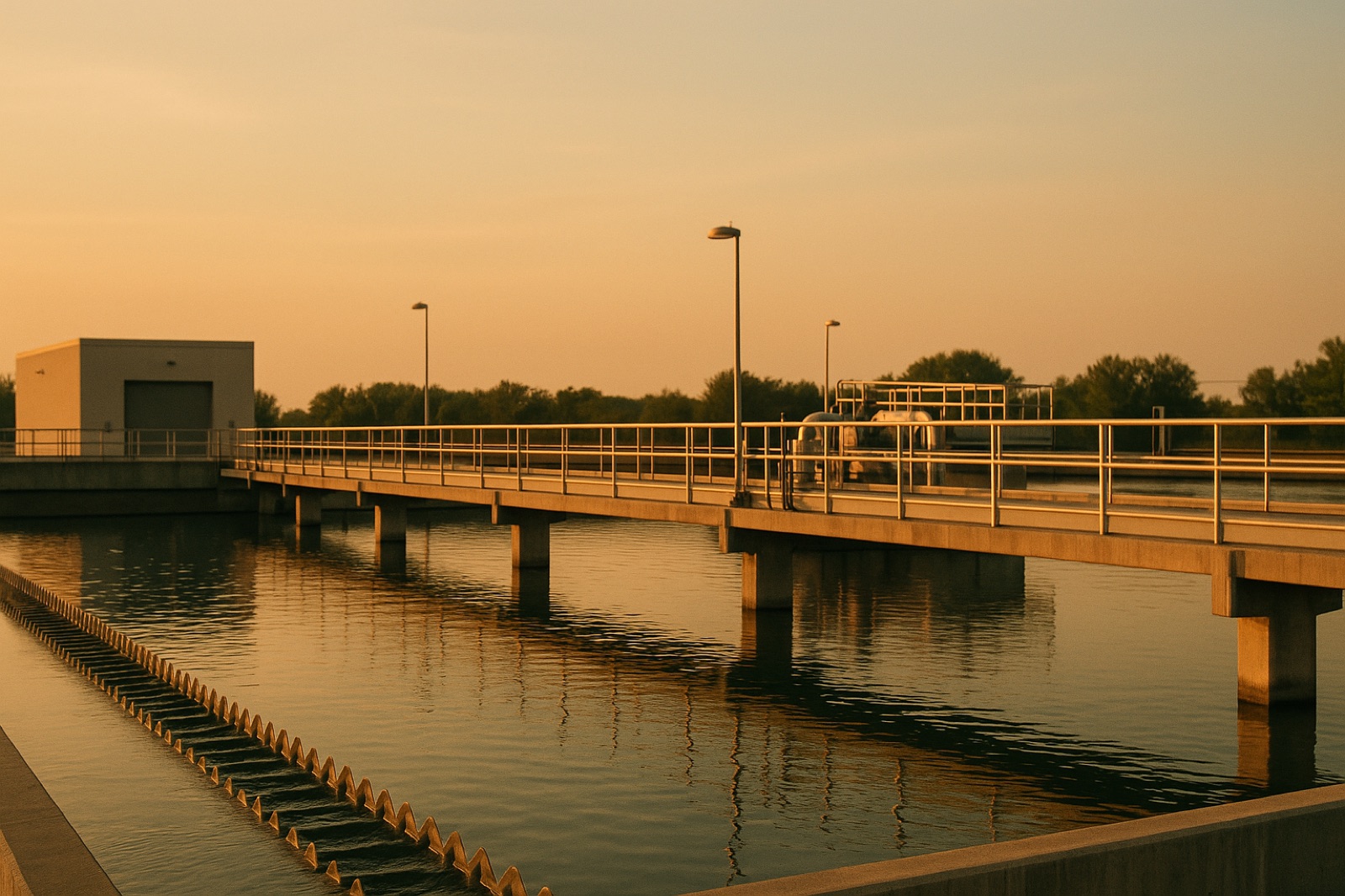
While much attention has been focused on contaminants like PFAS in water systems, another silent threat looms: saltwater intrusion. This phenomenon occurs when saltwater encroaches into freshwater aquifers, and it is becoming increasingly relevant for communities near coastal areas as climate change influences sea levels and weather patterns.
In the Midwest, especially near the Great Lakes, the implications of saltwater intrusion could be serious. As freshwater sources become more vulnerable, understanding how this process works is essential for residents and policymakers alike.
What is Saltwater Intrusion?
Saltwater intrusion typically occurs in coastal areas where freshwater aquifers are located near the ocean. When the water table drops due to over-extraction or drought, the balance between saltwater and freshwater is disrupted, allowing saltwater to move inland. This can contaminate drinking water supplies and harm local ecosystems.
The Great Lakes region, though rich in freshwater resources, is not immune to this challenge. As seen in regions globally, including Gambia where saltwater intrusion is already impacting agricultural productivity and access to clean water, the Midwest could face similar risks if proactive measures are not taken. In Gambia, the effects of saltwater intrusion have been termed the "leading edge of climate change" as communities grapple with its impacts on farming and water availability Circle of Blue.
Potential Causes in the Midwest
In the Midwest, saltwater intrusion can be exacerbated by various factors. Urbanization and agricultural practices often lead to increased water extraction from aquifers. Climate change also plays a role, as rising temperatures can lead to altered precipitation patterns, creating conditions more favorable for saltwater intrusion.
Moreover, the Great Lakes are facing environmental changes from climate variability. While the freshwater availability is currently substantial, the increasing frequency of droughts or extreme weather events could compromise the integrity of these freshwater sources, making them susceptible to saline intrusion.
What Communities Can Do
To combat the threat of saltwater intrusion, communities in the Midwest must focus on sustainable water management practices. This can include regulating water extraction from aquifers, investing in water conservation technologies, and enhancing the natural recharge of freshwater sources.
Public education is also crucial. Residents should be informed about the conditions that lead to saltwater intrusion and the importance of safeguarding freshwater resources. As the situation evolves, local governments need to collaborate with experts to develop strategies that monitor changes in water quality and availability.
A Call for Awareness and Action
As we move further into an era marked by climate change, the Midwest must remain vigilant. Saltwater intrusion may not be an immediate concern for many, but as we have seen globally, it can quickly become a pressing issue. By learning from areas already experiencing severe impacts, such as Gambia, and implementing proactive measures, Midwest communities can better protect their water systems.
As saltwater intrusion develops into a more prominent topic of discussion, it will be essential for Midwest residents to engage in dialogue about how to address this growing threat in a way that ensures the sustainability and health of local water systems.