Wells & Rural
A September Question Map for Rural Water Companies After a Summer of Heat
A practical campaign framework can help well and water treatment companies turn seasonal homeowner concerns into useful education and qualified local inquiries.
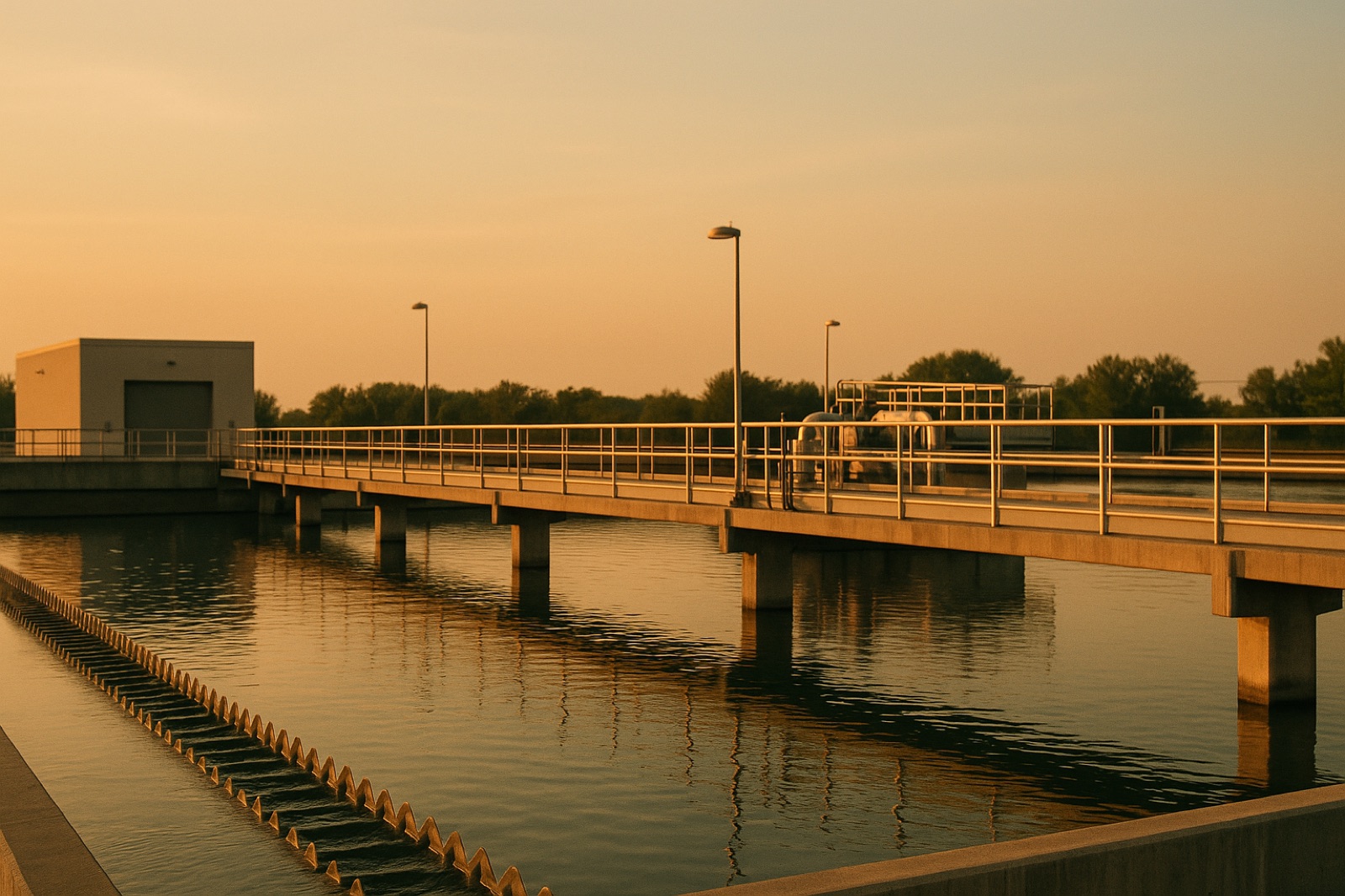
After a summer marked by exceptional heat, rural homeowners may arrive at September with questions about wells, pumps, household water use and equipment performance. The Guardian community team is collecting accounts of how Americans coped with what it describes as a record summer of heat, including experiences with power cuts, in its September 11 report on household impacts.
That national story does not establish what happened to any particular Midwest well or water system. It does identify a useful opening for local education: homeowners need help separating a weather headline from a problem they can observe, document and discuss with a qualified local company.
For a well contractor or water treatment company, the goal should not be to turn heat into alarm. It should be to publish clear answers at the moment residents are reviewing an unusually demanding season. Done carefully, that education can also produce better qualified leads because the homeowner reaches the first conversation with relevant details in hand.
Start with a homeowner question map
Organize the campaign around questions rather than products. A practical map has four branches: water quantity, water quality, equipment behavior and power interruptions.
Under water quantity, ask whether the concern is reduced flow, low pressure or a well that appears to recover slowly. Under water quality, ask what changed, when it changed and whether the concern involves appearance, odor, taste or a test result. Equipment questions should identify cycling, noise, leaks or changes shown on a control panel. Power questions should establish whether service was interrupted and what the homeowner noticed after restoration.
This map is not a remote diagnosis. Its purpose is routing. Each branch should lead to an educational page, a short checklist and an appropriate next step, such as documenting the issue, locating system records or requesting an evaluation.
Build a local education calendar
A four-week September calendar is enough to test the approach. Week one can explain how a private well, pressure tank and household plumbing divide responsibility. Week two can cover the difference between a flow problem and a water quality concern. Week three can show homeowners which records help a contractor understand an existing system. Week four can explain what happens during an initial service call or water treatment consultation.
Each lesson can become a website article, an email and a brief social post. Keep the local version specific about the service area and types of systems the company actually handles. Avoid claiming that the national heat story caused a local problem unless local evidence supports that connection.
Use a lead form that improves the conversation
A useful form collects only information needed to route the inquiry. Ask for the homeowner's ZIP code, water source, approximate system age if known, the first date the issue was noticed, whether it is constant or intermittent, and which fixtures are affected. Include checkboxes for pressure, flow, appearance, odor, taste, equipment noise, leakage and power interruption.
The form should also ask what the homeowner wants next: educational information, testing details, a service appointment or a replacement discussion. Consent for follow-up should be explicit. Do not require a homeowner to guess at a diagnosis or select equipment before anyone has evaluated the situation.
Close the loop after the form arrives
The follow-up workflow can be simple. First, confirm receipt and restate the reported concern. Second, check whether the location and system type fit the company's service scope. Third, send the most relevant educational page. Fourth, ask for missing records or photographs only when they would help prepare for the next step. Finally, offer a clearly described call or appointment.
Track the original question, the page viewed, the requested next step and the eventual outcome. That creates a modest local demand system without pretending every reader is ready to buy. Companies that need help connecting these pieces can build a local demand system, with a relevant water-marketing service or case-study page selected only after its fit is confirmed.
A sample campaign brief
Audience: Private-well households in the company's actual service territory. Homeowner question: Did something about my water system change during the hot summer? Editorial promise: Help the homeowner classify the concern and prepare useful information. Primary asset: A question-map article. Supporting assets: Four weekly lessons, one checklist, one intake form and one follow-up email. Conversion: A request for the appropriate next step, not an automatic sales appointment. Guardrail: Do not attribute a local well problem to heat without evidence.
MidwestWaterNews.com currently has 3,248 page views, 1,804 visitors, 3,332 AI crawls and 1,891 search crawls. No assists, queries or trend series were supplied, so those figures cannot show which homeowner questions generated business or whether interest is rising. They show that people and automated systems are reaching the site. The next useful measurement is whether a clearly labeled local guide helps the right homeowner ask a better question.