Great Lakes
The Surging Concern of Salt Water Intrusion in the Midwest
Salt water intrusion poses a significant threat to freshwater resources in coastal regions, and its implications reach inland as climate change progresses.
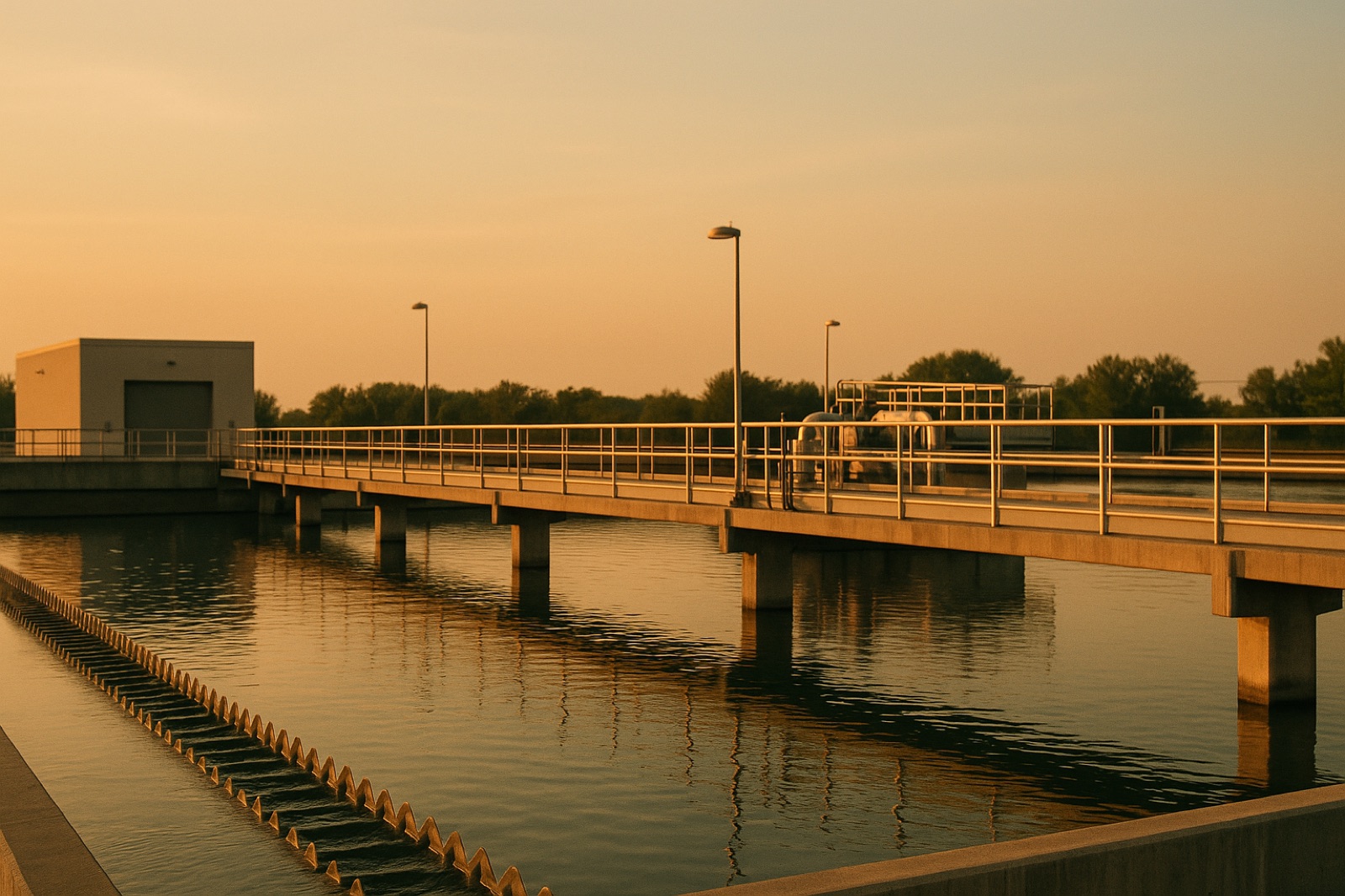
As climate change continues to reshape weather patterns and sea levels, salt water intrusion is becoming an increasingly pressing issue for freshwater resources, particularly in coastal areas. While this challenge is often highlighted in regions like the Gambian coast, its implications are being felt even in the Midwest, particularly around the Great Lakes. Understanding how salt water intrusion affects water systems is crucial for local communities.
What is Salt Water Intrusion?
Salt water intrusion occurs when salt water encroaches into freshwater aquifers or surface water bodies. This phenomenon is primarily driven by rising sea levels, which push salt water into coastal freshwater resources. Additionally, factors such as groundwater extraction and reduced freshwater flow can exacerbate the problem. As the climate continues to change, scenarios such as prolonged droughts or heavy rainfall can further alter hydrological cycles, impacting the balance between salt and freshwater.
The Great Lakes: A Case Study
The Great Lakes, which contain approximately 20 percent of the world’s surface freshwater, are not immune to the impacts of salt water intrusion. Although the lakes are situated far from the ocean, activities such as urban development, agricultural runoff, and industrial discharge can lead to increased salinity in local waterways. This situation prompts a need for vigilance as communities rely on these water sources for drinking, agriculture, and recreation.
In particular, areas like Gambia are experiencing salt water intrusion as a direct consequence of climate change, illustrating that even regions with abundant freshwater may face challenges in maintaining water quality. As reported by Circle of Blue, in Gambia, farmers like Ebrima Nyan are witnessing the adverse effects on their land due to salt encroachment, which threatens their livelihoods and food security.
Local Implications and Responses
Midwest communities must consider the implications of salt water intrusion on their water systems. Increased salinity can affect the taste and quality of drinking water, complicate water treatment processes, and harm aquatic ecosystems. In response, local water managers and policymakers are focusing on enhancing water management strategies to protect freshwater resources.
Efforts may include investing in advanced monitoring technologies, improving watershed management, and fostering collaborations between communities to share best practices. These strategies are essential not only for maintaining water quality but also for ensuring sustainable water access for future generations.
A Broader Context
The issue of salt water intrusion is emblematic of a broader set of challenges posed by climate change and environmental degradation. As resources become scarcer, the need for collaborative water management becomes increasingly important. The Great Lakes region has seen various initiatives aimed at promoting partnerships among local water managers, which could serve as a model for addressing the multifaceted challenges of water management.
As highlighted in another recent article from Circle of Blue, local managers are choosing partnership over conflict when addressing water scarcity issues in other regions, which offers a hopeful approach for the Midwest as well. Collaboration among stakeholders can lead to innovative solutions that protect both the quality and availability of water resources.
Conclusion
The threat of salt water intrusion is a reminder that climate change is not just a distant issue; it is impacting local water systems today. By understanding the mechanisms at play and proactively addressing these challenges, communities in the Midwest can work towards safeguarding their precious freshwater resources for years to come.