Great Lakes
The Growing Concerns of Salt Water Intrusion in the Midwest
Midwestern communities are beginning to face the challenges of salt water intrusion as climate change effects become more pronounced.
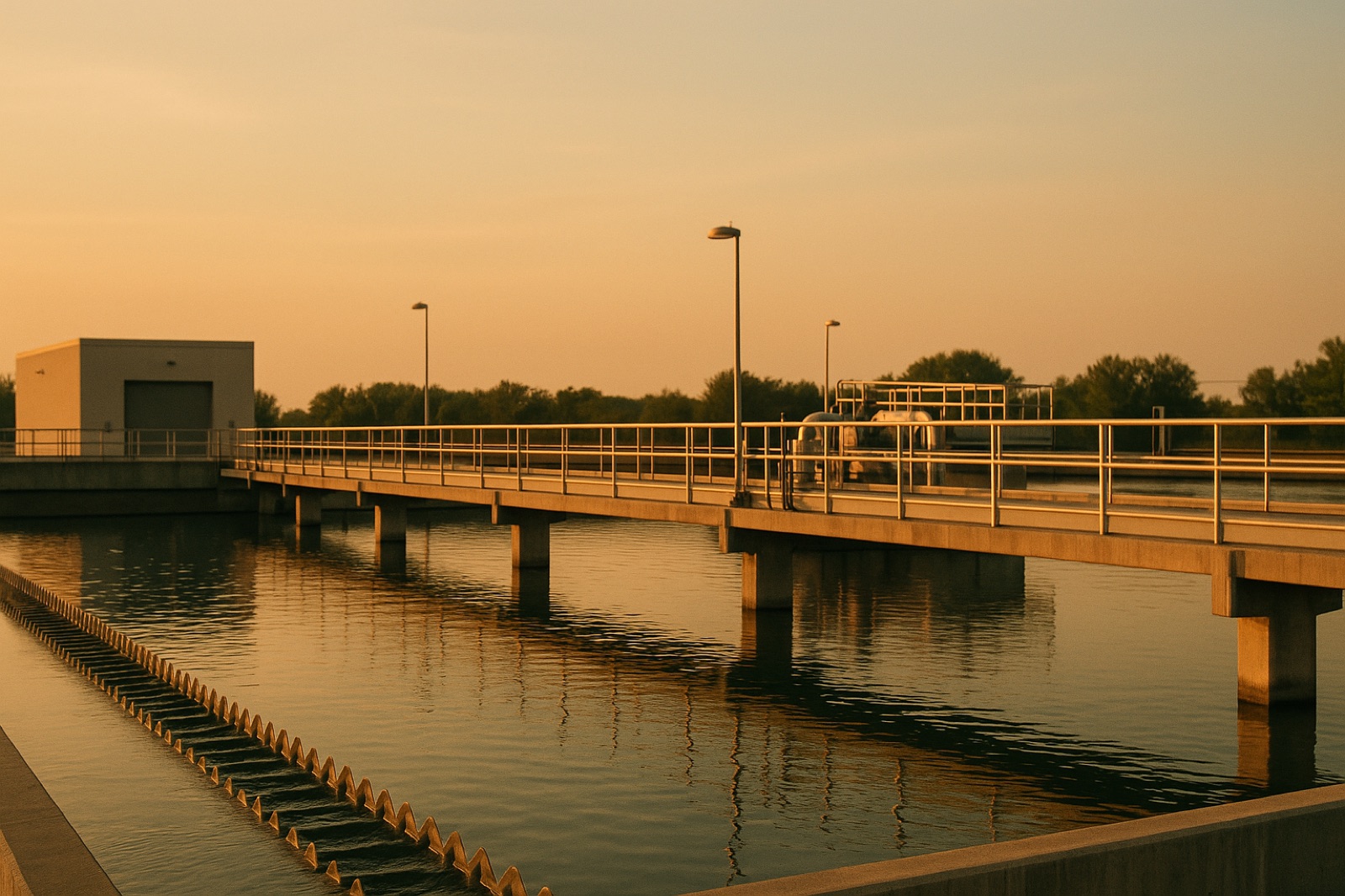
While salt water intrusion is often associated with coastal areas, its implications are starting to ripple into the Midwest, particularly around the Great Lakes. This phenomenon occurs when rising sea levels and changing climatic conditions lead to the encroachment of salt water into freshwater aquifers and ecosystems, altering the balance of these vital resources.
In many coastal regions, the salt water intrusion issue is well documented, but it is becoming increasingly relevant to Midwestern states. The Great Lakes, which hold about 20 percent of the world’s freshwater supply, are not immune to the effects of climate change. Increased precipitation, flooding, and rising temperatures can contribute to changes in water levels and quality.
What is Salt Water Intrusion?
Salt water intrusion is the process by which salt water moves into freshwater aquifers, typically due to a combination of elevated sea levels and reduced freshwater flow. This can degrade the quality of drinking water supplies and disrupt local ecosystems. In areas where the groundwater is connected to surface water, the intrusion can also affect rivers and lakes. As freshwater resources become contaminated with salt, the implications for agriculture, drinking water, and natural habitats can be significant.
The specific causes of salt water intrusion in the Midwest may differ from those observed in coastal areas. Factors such as increased evaporation due to rising temperatures, prolonged droughts, and infrastructure challenges can all contribute to the potential for this issue in freshwater regions.
Local Impacts are Emerging
Though the Great Lakes region has not yet seen salt water intrusion at the scale experienced in other parts of the world, the threat is becoming more tangible. Experts warn that if regional climate patterns continue to shift, the potential for salt water to infiltrate freshwater sources may rise. Local communities must be vigilant in monitoring changes to both groundwater levels and quality.
For example, in Gambian villages, farmers are already experiencing the immediate effects of salt water intrusion on their crops. As noted in a recent article, “In Gambia, Salt Water Intrusion Is the Leading Edge of Climate Change” by Circle of Blue, changing water conditions are threatening agricultural viability in regions where freshwater is already scarce due to other climate pressures descriptive anchor. While the Midwest may not face the same immediate agricultural crisis, the lessons from such regions underscore the need for awareness and proactive management.
Strategies for Mitigation
To address the potential for salt water intrusion, Midwestern communities can implement several strategies. One key approach is to enhance groundwater recharge by protecting wetlands and natural water bodies. These areas serve as natural buffers that can help maintain freshwater supplies. Additionally, investing in sustainable water management practices can aid in preserving groundwater quality.
Community engagement is crucial in these efforts. Residents must be informed about their local water systems and the potential impacts of climate change on their water quality. This can include educational programs and workshops that help communities understand how to conserve water and protect local resources.
Conclusion
Salt water intrusion might seem like a distant issue for many Midwesterners, but as climate change progresses, the potential for this phenomenon to affect the region's water systems grows. The Great Lakes are a precious resource, and safeguarding this freshwater supply requires vigilance and proactive measures now. By learning from global experiences and investing in sustainable practices, Midwestern communities can better prepare for the challenges ahead.