Wells & Rural
Rural Water Systems and the Growing Importance of Well Testing
As rural communities face increasing environmental challenges, understanding the importance of well water testing becomes crucial for public health.
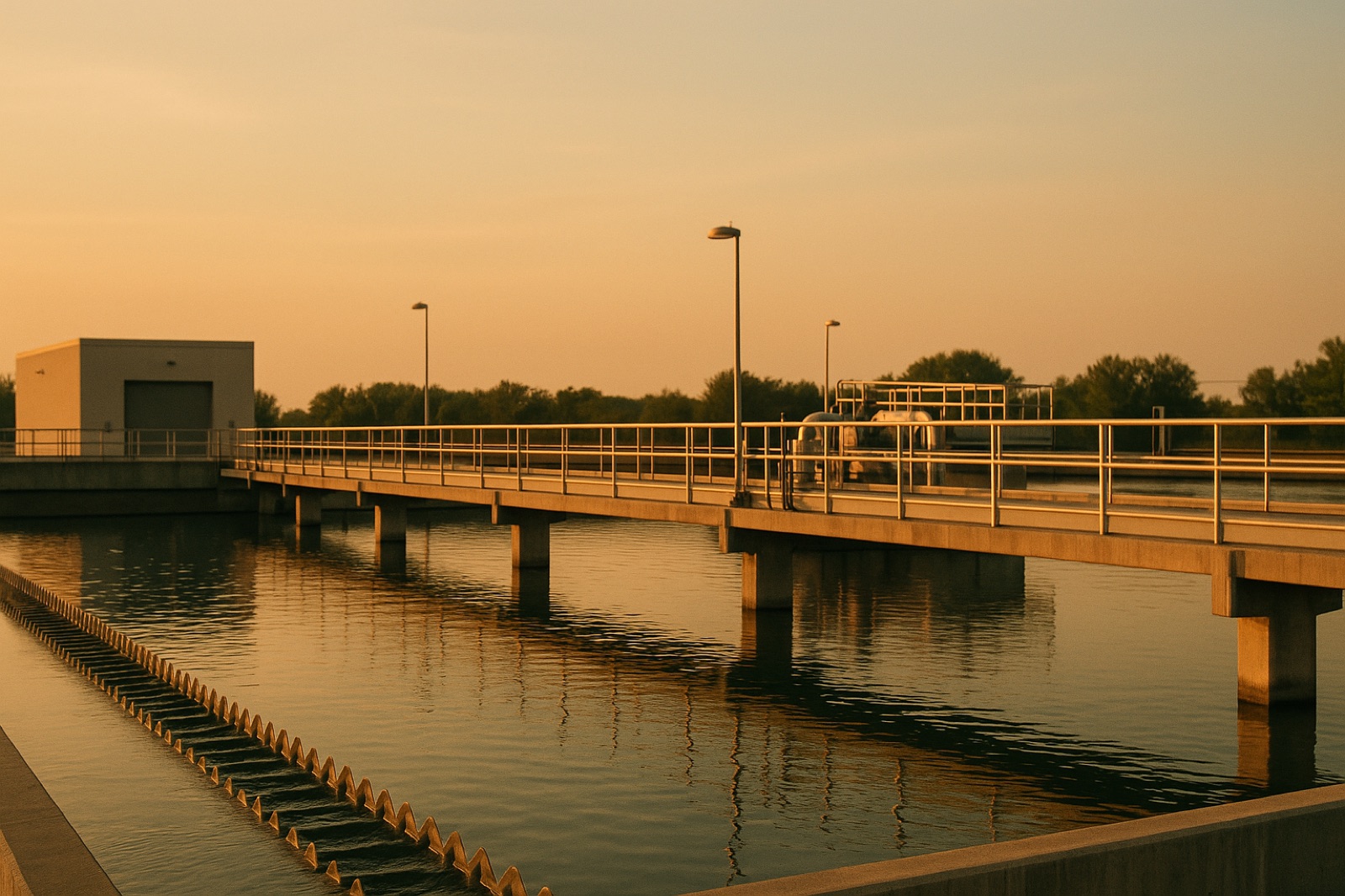
In the Midwest, many rural communities rely on private wells for their drinking water, making water quality testing an essential practice. However, as environmental pressures intensify, understanding how to test and ensure the safety of well water is becoming increasingly vital.
Understanding Rural Water Systems
Rural water systems often operate independently from municipal services. Homeowners are responsible for maintaining their wells, which can vary significantly in depth, construction, and water quality. Unlike city water systems that are subject to stringent quality regulations, rural wells can be more vulnerable to contamination from agricultural runoff, septic systems, and other environmental factors.
The importance of well testing is underscored by the potential health risks associated with contaminated water. Common contaminants include nitrates, bacteria, and heavy metals, which can have serious health implications. Regular testing can help identify these contaminants and ensure that water remains safe for consumption.
Environmental Pressures on Water Quality
As climate change progresses, rural areas face unique water quality challenges. Increased rainfall can lead to runoff, transporting pollutants into aquifers and well water supplies. Additionally, rising temperatures can affect the chemical composition of groundwater, exacerbating existing quality issues.
Recent discussions in public forums have highlighted the importance of proactive testing in light of these environmental changes. For instance, during extreme weather events, such as the intense heat waves and heavy storms reported this summer, the threat to water quality can escalate quickly. A pertinent article from The Guardian points out that these changing climate patterns can leave rural communities vulnerable, emphasizing that access to clean water is increasingly tied to broader environmental changes.The Role of Testing and Treatment
Understanding the significance of water testing can empower homeowners to take action. Testing kits are available for various contaminants, and services offered by regional treatment companies that test private wells can provide deeper insights into water quality. These services often include not only testing but also advice on remediation strategies if contaminants are found.
Furthermore, many states have programs aimed at assisting rural communities in improving their water quality. These initiatives may include financial assistance for well testing, educational resources, and outreach programs targeting best practices for water safety.
Community Engagement and Resources
Community involvement is crucial in ensuring water safety in rural areas. Local organizations can play a pivotal role in disseminating information about the importance of regular well testing and providing resources for homeowners. By fostering a culture of awareness and responsibility regarding water quality, communities can better protect their health and the environment.
Moreover, residents can connect with local health departments and environmental organizations for guidance on testing and treatment options. Many of these organizations also host workshops that educate homeowners on the importance of monitoring water quality and understanding test results.
Moving Forward: A Call to Action
As we navigate the complexities of water quality in rural areas, it is essential for homeowners to prioritize well testing and engage with community resources. By understanding how water systems function and the potential risks they face, rural communities can foster resilience against environmental challenges.
In summary, the health of rural water systems is not only a personal concern for homeowners but also a community imperative. Regular testing, community engagement, and access to resources will be crucial as Midwestern rural areas continue to adapt to changing environmental conditions. For those looking to ensure their well water remains safe, seeking help from regional treatment companies that test private wells can be a valuable step in the right direction.