Wells & Rural
Rural Water Systems in the Midwest: Understanding Infrastructure Challenges
Exploring the complexities facing rural water systems and the lessons from other regions facing similar struggles.
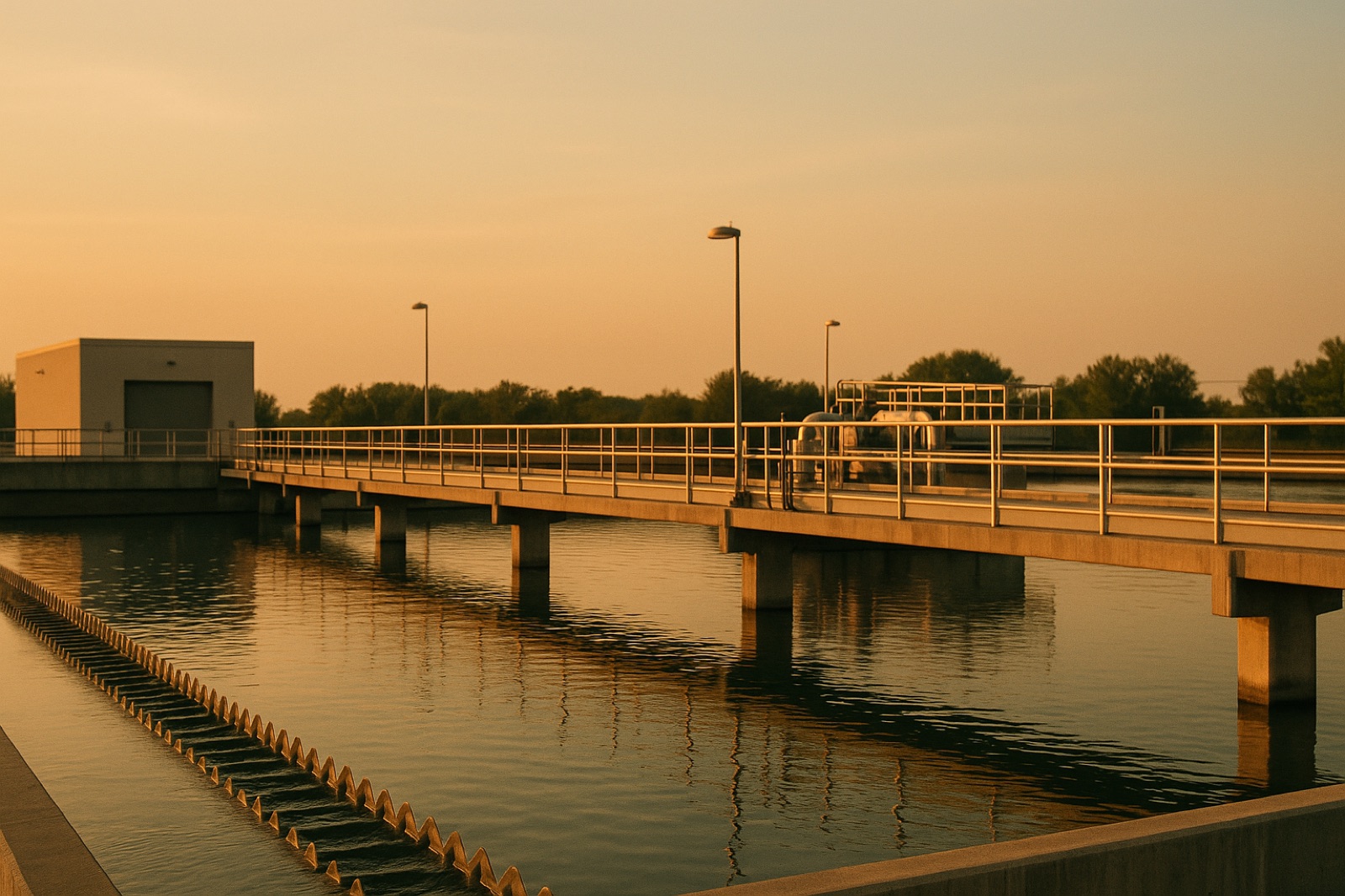
For many residents in the Midwest, access to clean water is often taken for granted. However, for those living in rural areas, the infrastructure that supports their water supply can be fragile and underfunded. As we look toward future resilience in water systems, understanding the challenges and solutions is crucial.
The State of Rural Water Systems
Rural water systems in the Midwest are typically smaller and less robust than their urban counterparts, leading to unique challenges. Many rural water systems rely on a combination of wells and water treatment facilities that can struggle to meet the demands of their communities. Aging infrastructure, limited funding, and environmental factors all contribute to ongoing issues.
According to the National Rural Water Association, around 60 million Americans depend on rural water systems. These systems often have lower revenues and budgets compared to urban systems. Without sufficient financial resources, maintenance suffers, leading to issues like leaks and contamination.
Learning from Others: Puerto Rico's Water Crisis
The recent struggles faced by residents in Puerto Rico offer a cautionary tale for rural water systems across the U.S. Many areas in Puerto Rico have dealt with severe water shortages, which have been described as feeling “as if a hurricane had passed” as a result of infrastructure failures, specifically pipeline ruptures (The Guardian). This situation highlights the vulnerability of water systems that are not adequately maintained or upgraded.
While the Midwest is not experiencing the same level of crisis as seen in Puerto Rico, the need for consistent investment in water system improvements is critical. If left unchecked, aging infrastructure can lead to similar water shortages and public health risks.
Addressing Infrastructure Needs
There are several approaches to improving rural water infrastructure in the Midwest. First, public-private partnerships can provide the necessary capital for upgrades and expansion. By collaborating with private entities, rural water systems can benefit from innovative technologies and management practices.
Moreover, federal and state funding opportunities exist to address these infrastructure needs. The Bipartisan Infrastructure Law, for example, has allocated funds specifically for improving water systems, including those in rural areas. Understanding how to navigate these funding opportunities can be crucial for rural water systems hoping to modernize.
Community Engagement and Awareness
Another key element in enhancing rural water systems is community engagement. Local residents must be informed about the state of their water infrastructure and encouraged to advocate for improvements. Building awareness around water quality issues can create a sense of ownership and responsibility among community members.
In addition to community awareness, transparency in operations and decision-making can foster trust between water utility providers and residents. This trust is essential for encouraging public participation in local water management initiatives.
Looking Ahead
The Midwest has valuable lessons to learn from the challenges faced by other regions, such as Puerto Rico. By prioritizing infrastructure investment, fostering community engagement, and exploring innovative funding solutions, rural water systems can build resilience against potential crises. Understanding and addressing these complex issues is imperative for ensuring a sustainable water future for all residents.
As the climate continues to change and pressures on water resources grow, rural communities in the Midwest must take proactive steps to safeguard their water systems. By investing in infrastructure today, we can prevent the water crises of tomorrow.