Wells & Rural
The Role of Rural Water Systems in Addressing Climate Challenges
Exploring how rural water systems can adapt to climate changes and ensure safe water access in the Midwest.
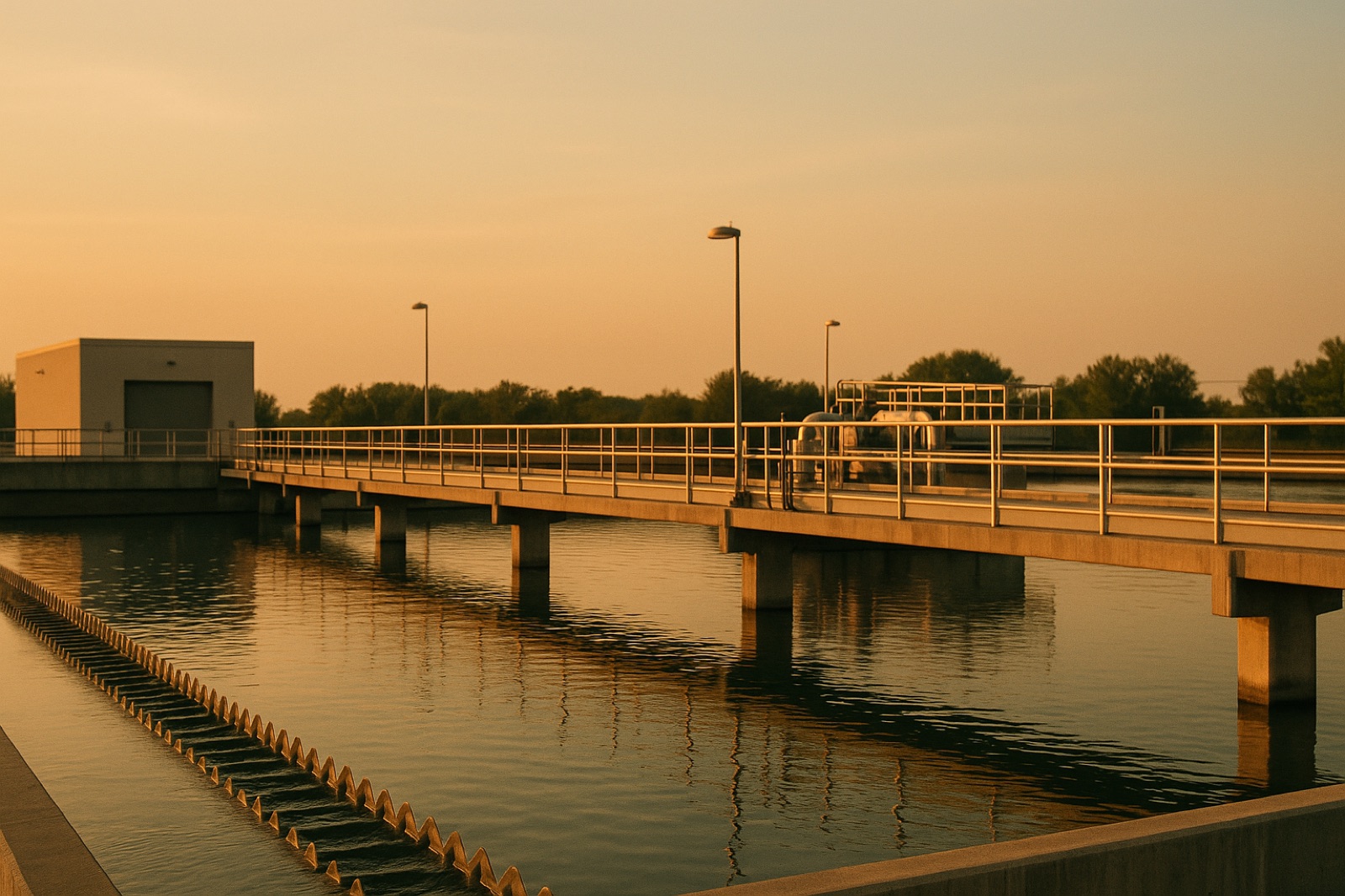
In the Midwest, rural water systems are facing an array of challenges, particularly as climate change continues to alter weather patterns and water availability. Understanding how these systems work and the pressures they face is crucial for ensuring safe and reliable water access for residents.
How Rural Water Systems Operate
Rural water systems typically serve communities that may not have access to municipal water sources. They rely on groundwater from private wells or small public water systems that draw from local aquifers. These systems often require rigorous management to ensure safety and sustainability.
Generally, water is extracted from wells and pumped to treatment facilities where it undergoes filtration, disinfection, and sometimes further processing to remove contaminants. The treated water is then distributed to homes and businesses. This process is essential, especially in rural areas, where residents may depend solely on these systems for their drinking water.
Climate Change and Its Impact on Water Availability
As climate change progresses, rural water systems are increasingly threatened by droughts, floods, and shifting precipitation patterns. These climate-induced changes can deplete aquifers and alter the quality of available water sources. For example, prolonged dry spells can lead to lower groundwater levels, making it more challenging for wells to provide consistent and safe water supplies.
Additionally, flooding can introduce contaminants into the water supply, posing significant health risks. It is vital for rural water systems to adapt to these changing conditions to protect public health and ensure a reliable water supply.
Recent Challenges and Adaptation Efforts
One notable concern for rural communities is the increasing presence of contaminants such as PFAS and agricultural runoff, which can threaten water quality. The growing scrutiny of water safety has led to enhanced testing and treatment measures in many regions. For instance, regional treatment companies that test private wells are crucial for identifying contaminants and ensuring that water meets safety standards.
In addition to addressing existing contaminants, rural water systems must also invest in infrastructure improvements to enhance resilience against climate impacts. Upgrading aging pipelines, enhancing storage facilities, and incorporating advanced treatment technologies can better prepare these systems for future challenges.
The Importance of Community Engagement
Community involvement is essential for the success of rural water systems. Local residents often have valuable insights into water use and conservation strategies. Engaging the community can foster a sense of ownership and responsibility over local water resources, encouraging practices that enhance sustainability.
For example, residents can participate in educational programs about water conservation, proper well maintenance, and the importance of reporting contamination issues. Furthermore, collaborations between local government, nonprofits, and water management organizations can facilitate knowledge sharing and resource allocation to bolster rural water systems.
Looking Ahead
As rural communities in the Midwest grapple with the realities of climate change, understanding the inner workings of their water systems becomes increasingly important. By enhancing infrastructure, investing in technology, and fostering community engagement, these systems can adapt to changing climatic conditions while ensuring that residents have access to safe and reliable water.
Overall, the resilience of rural water systems will be pivotal in maintaining public health and environmental stability in the face of ongoing climate challenges.