Missouri
Restoring Trust in Water Systems: Lessons from Jackson's AMI Project
Advanced metering infrastructure is key to addressing water loss and building community trust.
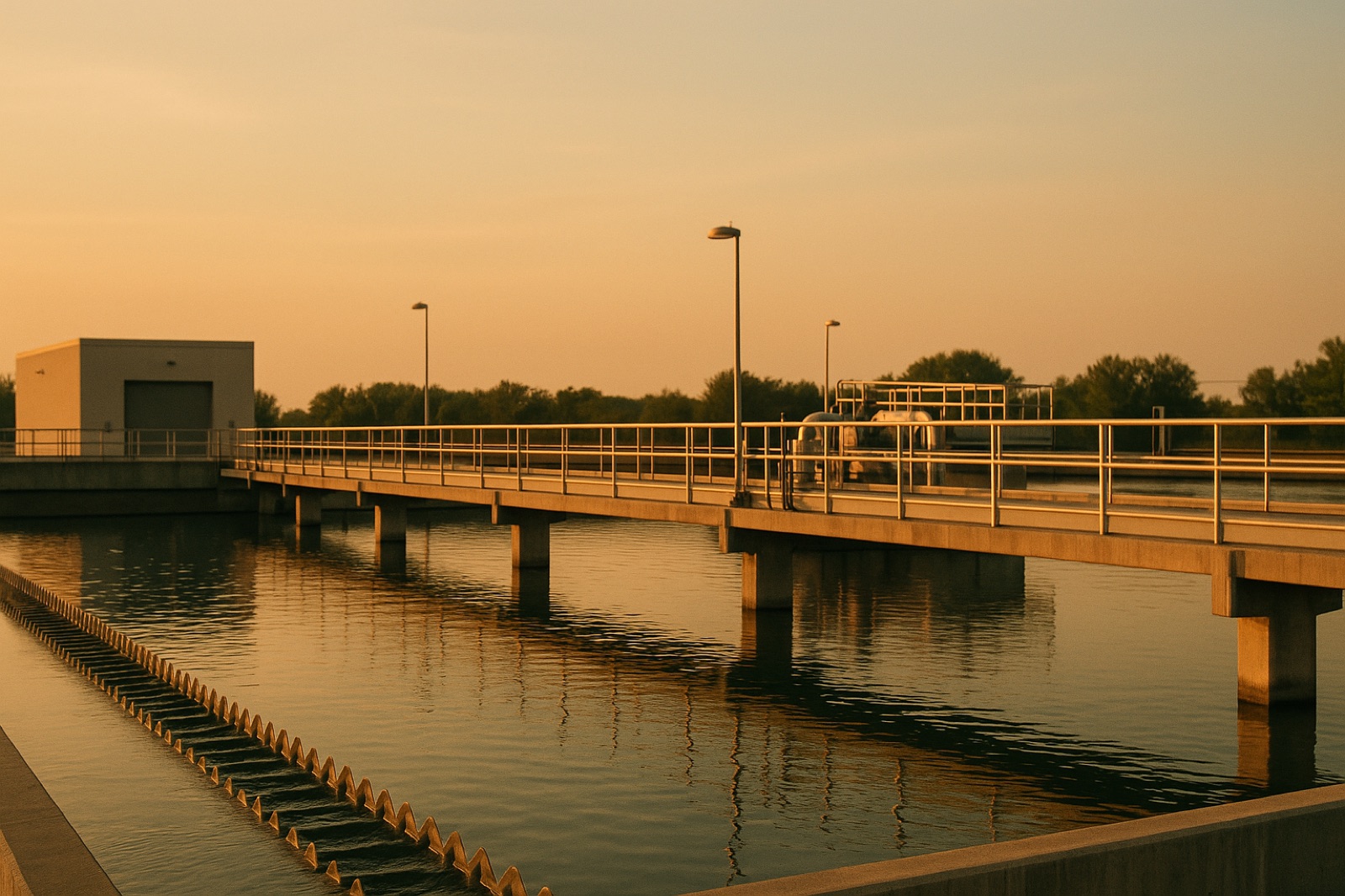
The water crisis in Jackson, Mississippi, has drawn national attention, highlighting how critical it is for communities to have reliable and trustworthy water systems. As cities across the Midwest work to ensure safe drinking water for their residents, they can learn valuable lessons from Jackson's ongoing efforts to implement advanced metering infrastructure (AMI) as a means to restore public trust and reduce water loss.
Understanding Advanced Metering Infrastructure (AMI)
Advanced metering infrastructure refers to systems that measure water consumption in real time, allowing utilities to gather data on usage patterns and detect leaks more effectively than traditional metering methods. This technology not only streamlines meter reading processes but also enhances customer service by providing accurate billing and usage information. In an era where water loss through leaks and mismanagement is a significant concern, AMI serves as a critical tool for water utilities.
In Jackson, where the water system has been plagued by challenges of non-revenue water, meaning water that is produced but not billed to customers, the AMI project aims to reverse this trend. According to Water Finance and Management, the city is focusing on the positive impact that AMI can have on multiple aspects of the utility. These benefits range from better meter reading and data collection to an overall improvement in public trust.
The Importance of Community Trust
Public trust in a water system is crucial for its success. When residents believe their water provider is transparent and accountable, they are more likely to engage with the utility, pay their bills on time, and support necessary infrastructure projects. In Jackson, the combination of aging infrastructure, financial challenges, and a history of service issues created an environment of skepticism. Through the introduction of AMI, the city hopes to rebuild this trust by providing residents with clearer insights into their water usage and costs.
Moreover, the collection of real-time data enables the utility to respond quickly to issues such as leaks, which can otherwise lead to significant financial losses and prolonged service disruptions. By actively managing these problems as they arise, the goal is to create a more efficient water system that serves the community better. This approach could be particularly relevant not only for Jackson but also for other cities in the Midwest facing similar challenges.
Applying Lessons to the Midwest
Midwest cities are not alone in grappling with outdated water systems and the pressing need for modernization. With aging infrastructure, many municipalities are looking for solutions that will not only improve service reliability but also instill confidence in their residents. The experience of Jackson illustrates the potential of AMI to address such issues and serves as a model for other regions.
As cities consider strategies for upgrading their water systems, they should weigh the benefits of investing in technologies like AMI. By promoting transparency and enhancing operational efficiency, these systems can help cities minimize water loss, improve customer engagement, and ultimately build stronger relationships with their communities.
In conclusion, the challenges faced by Jackson's water system underscore the importance of reliable infrastructure and public trust. The lessons learned from their AMI project can inform similar efforts across the Midwest, paving the way for improved water management and a healthier, more engaged community.