Great Lakes
The Persistent Challenge of PFAS Contamination in the Midwest
PFAS contamination remains a pressing issue for drinking water systems in the Midwest.
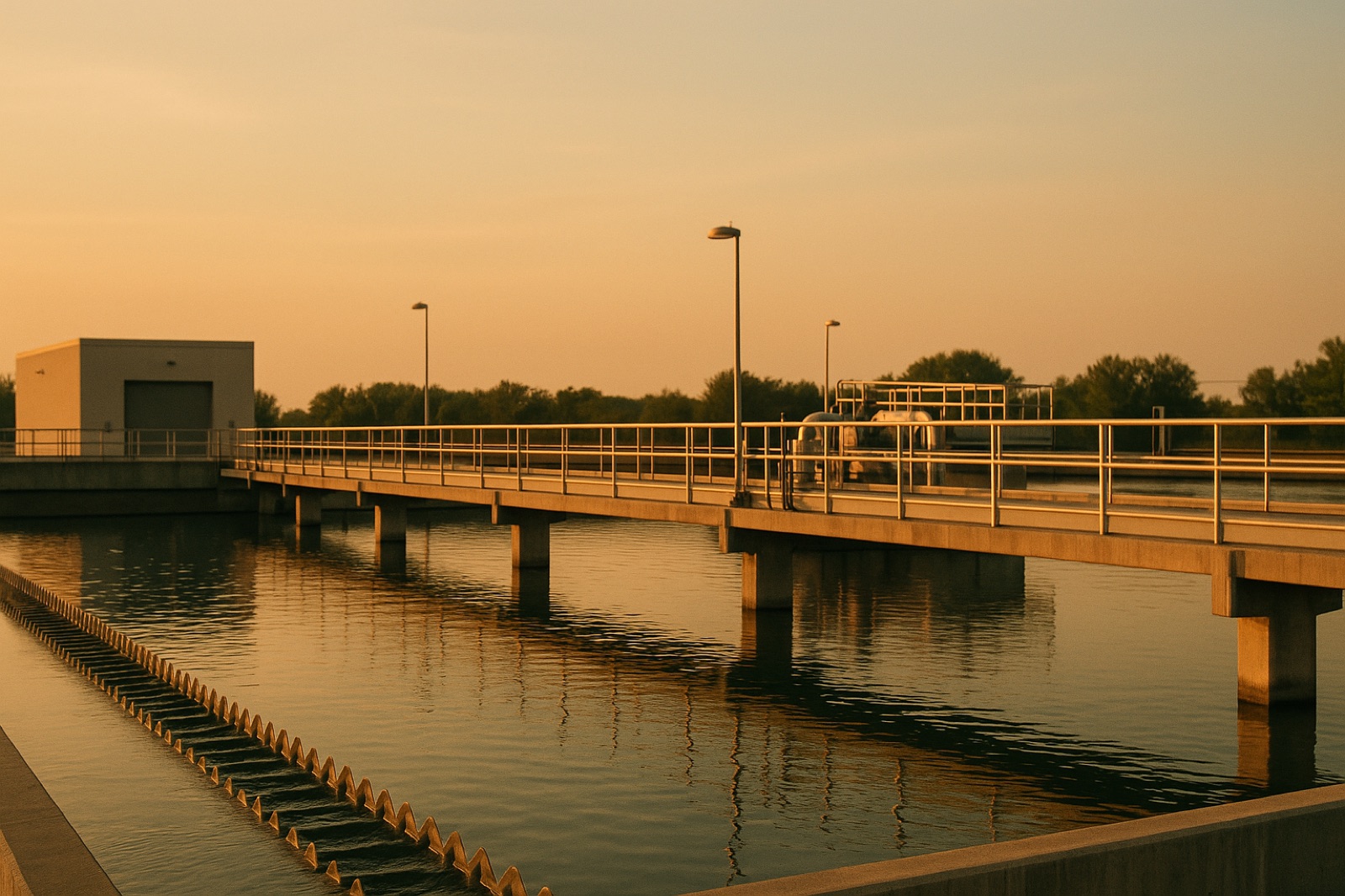
Per- and polyfluoroalkyl substances, commonly known as PFAS, have emerged as a critical concern for water quality across the Midwest. These synthetic chemicals, often referred to as ‘forever chemicals’ due to their persistence in the environment, have been found in drinking water systems, raising alarm bells for residents and regulators alike.
Understanding PFAS and Their Sources
PFAS are a group of over 5,000 man-made chemicals used in various industries and consumer products, including firefighting foam, non-stick cookware, and water-resistant clothing. Their widespread use has led to significant environmental contamination, especially in areas near military bases and industrial sites.
The long-term effects of PFAS exposure on human health are still being studied, but there is growing concern about potential links to adverse health outcomes, including cancer and immune system disruptions. As a result, the need for monitoring and remediation has taken center stage in discussions about public health and safety.
Current Regulatory Landscape
In recent years, regulatory frameworks have begun to adapt to the increasing visibility of PFAS in drinking water. The Fifth Unregulated Contaminant Monitoring Rule (UCMR 5) has highlighted the prevalence of PFAS in water supplies across the United States, prompting further investigations into the safety of drinking water sources nationwide. As noted in a recent article in Water Finance and Management, the monitoring of PFAS has reshaped the drinking water regulatory landscape significantly.
While federal regulations are evolving, states in the Midwest are also taking action. Several states, including Michigan and Illinois, have set their own drinking water standards for PFAS, which are often more stringent than federal guidelines. These state-level regulations aim to protect public health and reduce the risks associated with these contaminants.
Challenges for Water Systems
For water utilities, the presence of PFAS poses a multifaceted challenge. Detection and removal of these chemicals require advanced treatment technologies, which can be costly and complicated to implement. Traditional water treatment methods may not effectively eliminate PFAS, necessitating the adoption of newer techniques like activated carbon filtration or reverse osmosis.
Moreover, the financial burden of upgrading infrastructure to address PFAS contamination can strain local budgets, leading to difficult decisions about resource allocation. Water utilities must balance the immediate need for safe drinking water with long-term planning for sustainable infrastructure.
Community Awareness and Action
As awareness of PFAS issues grows, community engagement becomes increasingly vital. Residents are encouraged to stay informed about the quality of their drinking water and to participate in discussions about local water management practices. Public forums and local meetings can provide platforms for residents to voice their concerns and influence decision-making processes.
This engagement is essential not only for advocating for stronger regulations but also for fostering collaboration between communities and water utilities. Effective communication can help build trust and ensure that residents are aware of ongoing efforts to monitor and address PFAS contamination.
Looking Ahead
The road ahead for managing PFAS in drinking water systems across the Midwest is fraught with challenges, but also opportunities for innovation and collaboration. As research continues to advance, there is hope that more effective treatment options will become available, easing the burden on water utilities and improving public health outcomes.
The ongoing conversation about PFAS serves as a reminder of the complexities involved in ensuring safe drinking water for all. As communities and regulators navigate this issue, the importance of proactive measures and informed public participation cannot be overstated. Through collective action and informed decision-making, the Midwest can work toward a future where clean, safe water is a reality for everyone.