Wells & Rural
Understanding the Impact of PFAS Contamination in Midwest Water Supplies
An overview of PFAS contamination, its regulatory landscape, and implications for water systems in the Midwest.
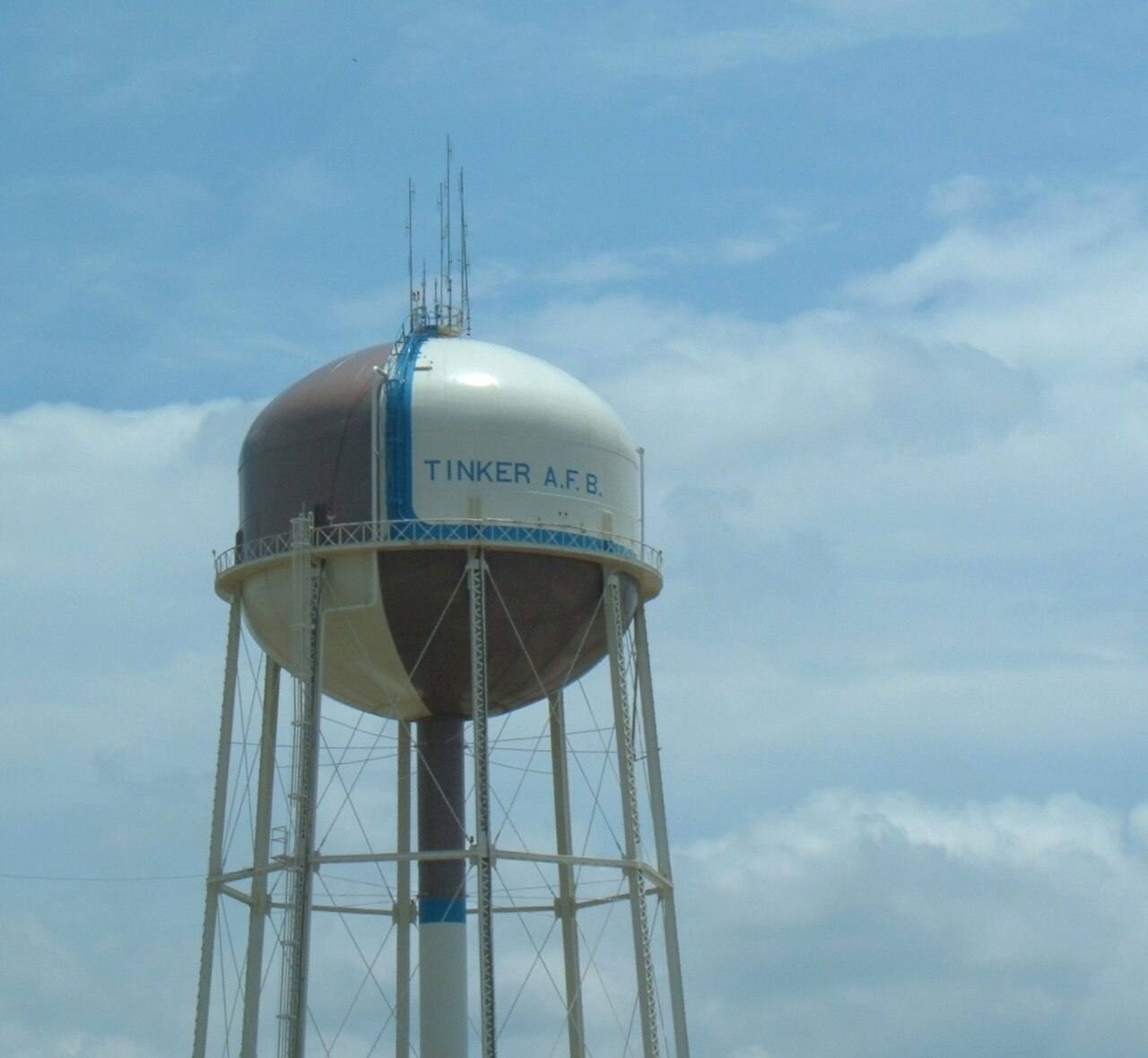
The presence of PFAS, or per- and polyfluoroalkyl substances, in drinking water has become a significant concern for communities across the Midwest. These synthetic chemicals, often referred to as "forever chemicals" due to their persistence in the environment, are found in various products from food packaging to firefighting foam. Understanding PFAS contamination is crucial as it raises important questions about water quality and public health.
What Are PFAS?
PFAS are a group of man-made chemicals that have been widely used since the 1940s. They are valued for their ability to repel water and oil, making them ideal for use in non-stick cookware, water-repellent clothing, and even some food packaging. However, their persistence means that they do not break down easily in the environment, leading to widespread contamination.
Regulatory Landscape
In recent years, the regulatory landscape surrounding PFAS has shifted significantly. The Fifth Unregulated Contaminant Monitoring Rule (UCMR 5) has revealed that these chemicals are present in drinking water across the United States. This has led to increased public concern and calls for stricter regulations. As noted in an article from Water Finance and Management, "PFAS have reshaped the drinking water regulatory landscape," highlighting the urgency of addressing this issue.
Impact on Water Systems
For many Midwest communities, the detection of PFAS in drinking water supplies poses challenges for water treatment systems. Traditional water treatment processes are not always effective at removing these substances, leading to the need for advanced filtration systems. This can substantially increase the cost of water treatment and affect the overall budget of local water utilities.
Public Health Concerns
The potential health risks associated with PFAS exposure have raised alarms among health officials and the public. Research is ongoing to understand the full extent of these risks, but there are concerns about links to various health issues. Communities are calling for transparency regarding the levels of PFAS in their water supplies and for swift action to mitigate exposure.
Community Response and Action
Many Midwest communities are taking proactive steps to address PFAS contamination. This includes testing water supplies, investing in better filtration technologies, and engaging with state and federal agencies to advocate for stronger regulations. Public awareness campaigns are also crucial in educating residents about the risks associated with PFAS and the actions they can take to protect themselves.
Looking Ahead
As more data becomes available and regulations evolve, it is essential for Midwest communities to stay informed about PFAS and their implications for local water supplies. Collaboration between local governments, water utilities, and public health officials will be vital in effectively addressing this pressing issue. Ensuring safe and clean drinking water remains a top priority, and tackling PFAS contamination is a crucial part of that effort.