Great Lakes
The Burgeoning Problem of PFAS Contamination in the Great Lakes
Understanding the scope and implications of 'forever chemicals' in our water systems.
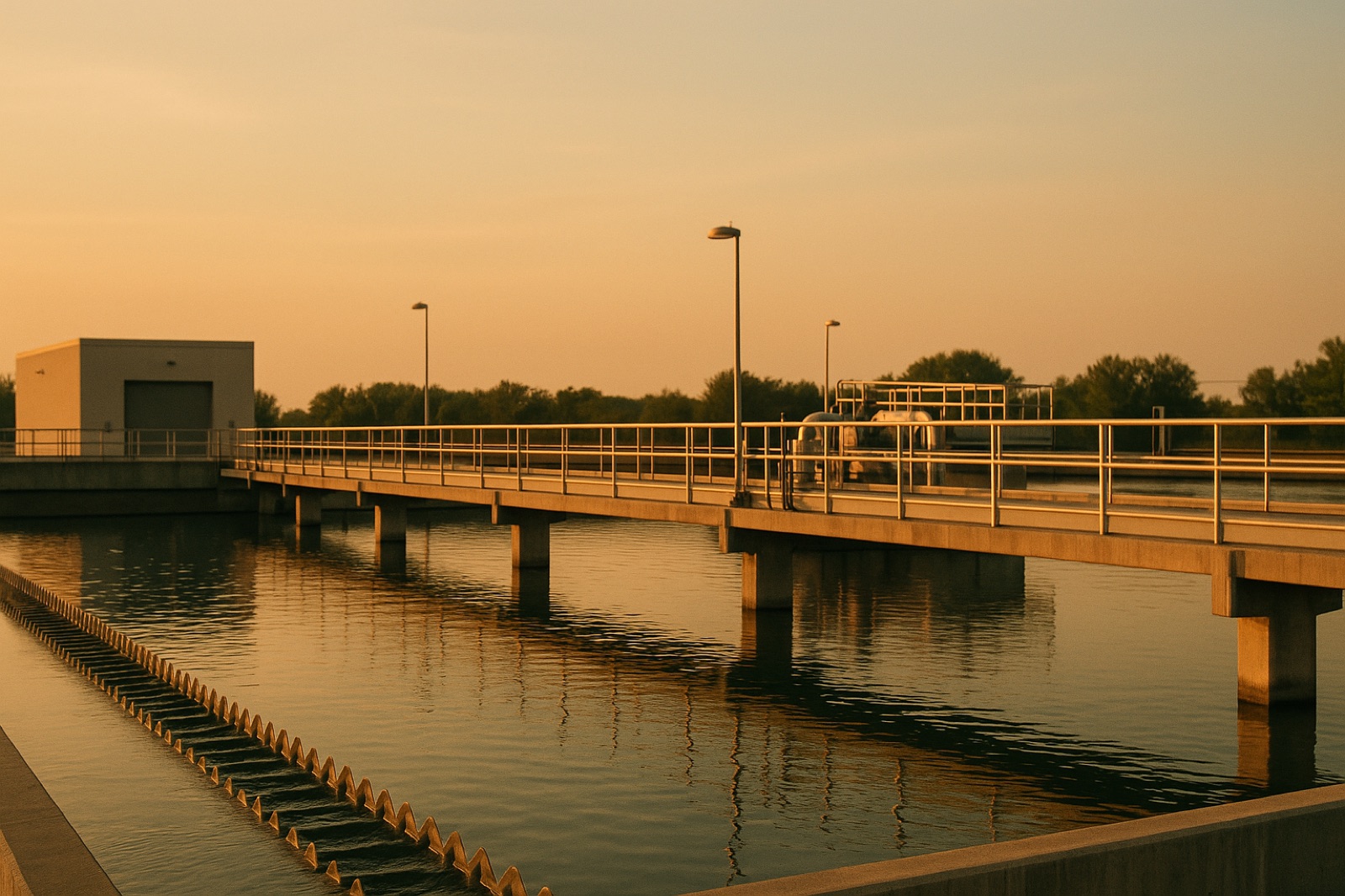
The Great Lakes, with their vast expanse and vital ecosystems, are facing increasing challenges from pollution, particularly from a class of chemicals known as per- and polyfluoroalkyl substances (PFAS). Referred to as ‘forever chemicals’ due to their persistence in the environment and the human body, PFAS are linked to various health and environmental concerns. The urgency for action is growing as communities around the lakes grapple with the realization that these contaminants have infiltrated drinking water, fish, and wildlife.
In North Bay, Ontario, for instance, concerns over PFAS contamination have reached a critical point. Residents are alarmed as they learn about the history of pollution in their waterways, much of which has roots in past industrial practices. A recent report outlined five key takeaways about the situation, emphasizing that PFAS have become a significant issue for local ecosystems and public health. The article highlights how federal officials are now working to remediate longstanding contamination, responding to citizens’ inquiries and fears about water safety and environmental degradation (Circle of Blue).
The Persistence of PFAS
PFAS are a group of synthetic chemicals used in various applications, including firefighting foam, food packaging, and non-stick cookware. Their unique properties make them resistant to degradation, leading to widespread environmental contamination. The Great Lakes region is particularly vulnerable due to its extensive industrial history and agricultural practices that have contributed to runoff and pollution.
According to studies, PFAS can accumulate over time in the human body, raising concerns about potential health effects. As communities in the Midwest increasingly recognize the dangers posed by these chemicals, testing and remediation efforts are becoming more critical. Local water authorities are collaborating with organizations and regional treatment companies that test private wells to identify and manage PFAS contamination more effectively.
Water Management and Policy Implications
The presence of PFAS in drinking water supplies has led to heightened calls for regulatory action. While the federal government has begun to address the issue, many states are taking proactive measures to set their own limits and testing protocols. This patchwork of regulations can often leave communities vulnerable, especially those relying on private wells or smaller water systems without robust monitoring processes in place.
Efforts to combat PFAS pollution also require significant investment in infrastructure and technology. Water treatment facilities must update their processes to effectively remove these contaminants, which can be costly and complex. However, addressing this challenge is critical to ensuring safe drinking water for millions of residents in the Great Lakes region.
Community Engagement and Education
As awareness of PFAS contamination grows, community engagement becomes essential. Local governments, environmental organizations, and health departments must work together to educate residents about the risks associated with PFAS and the importance of water quality monitoring. This engagement is vital in empowering residents to advocate for their water safety and push for necessary policy changes.
The situation in North Bay serves as a reminder for the entire Great Lakes region about the ongoing challenges posed by PFAS. As communities rally to demand action, it is essential that all stakeholders - local, state, and federal - collaborate to create effective strategies for remediation and prevention. Only through a concerted effort can we hope to protect the vital water resources that underpin the health and well-being of millions in the Midwest.
As we navigate this complex issue, it is crucial to balance technological advancements and environmental stewardship, ensuring that future generations inherit a cleaner and safer water supply.