Great Lakes
Partnerships Over Conflict: A New Approach to Water Management in the Midwest
Local water managers in the Midwest are increasingly favoring collaboration over competition in managing water resources.
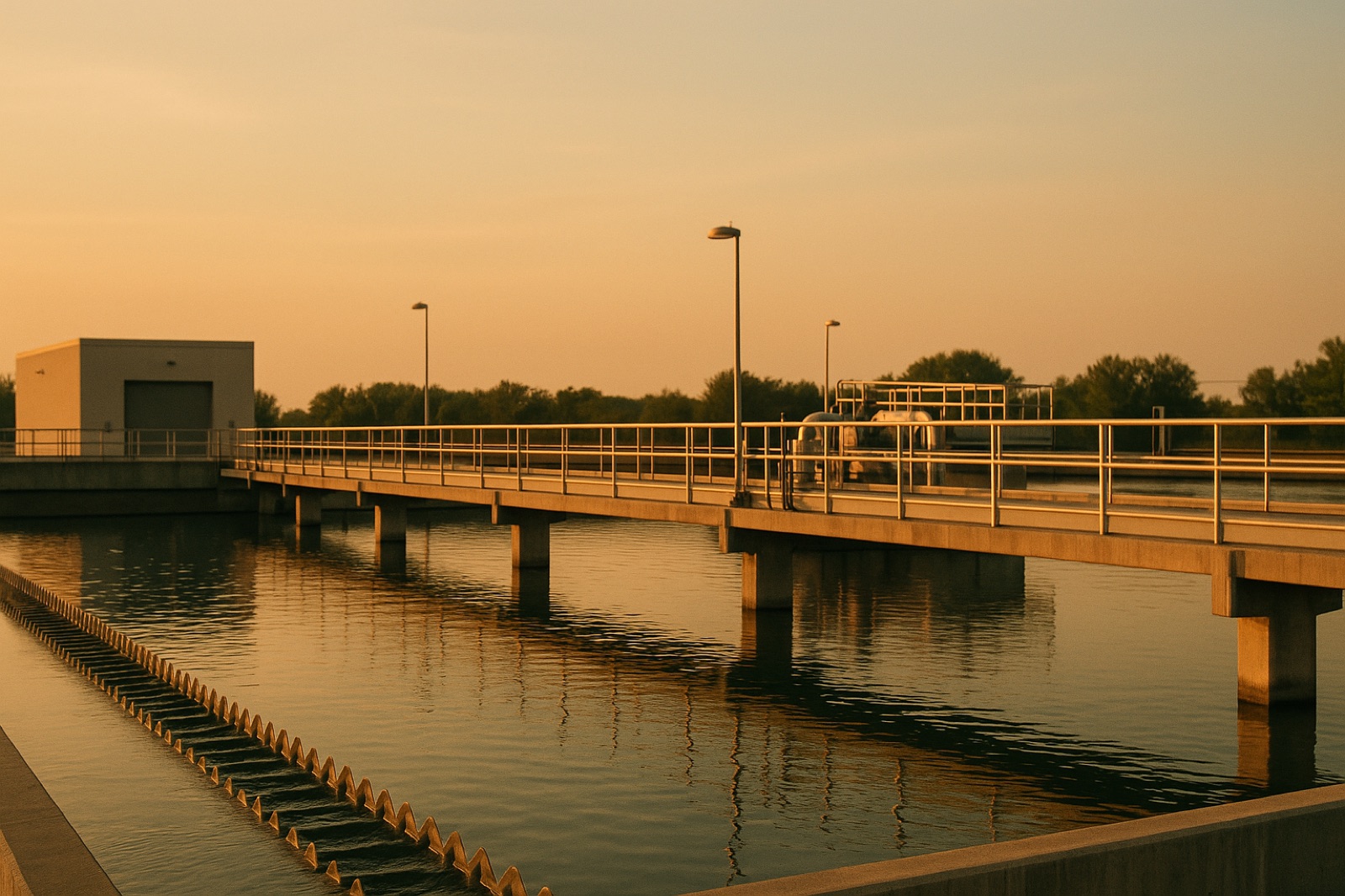
The Great Lakes region, known for its abundant freshwater resources, is facing a complex array of challenges that require innovative strategies for effective water management. With pressures ranging from climate change to industrial demands, water managers are recognizing the need to prioritize partnerships rather than engage in conflicts over dwindling supplies.
This shift in perspective can be seen in various efforts across the Midwest, where local water managers are moving away from adversarial approaches that have historically defined water resource management. Instead of competing for water rights or engaging in litigation, these managers are increasingly opting for collaborative frameworks that allow for shared governance and resource management.
One recent example is highlighted in a Circle of Blue article by Brett Walton, which discusses how local managers are choosing partnership over conflict in the context of the Colorado River. Although this story originates from a different region, its lessons resonate in the Midwest, as communities grapple with similar challenges in their own water systems.
The Need for Collaboration
As population growth and industrial activity continue to exert strain on water supplies, collaboration among stakeholders becomes critical. In the Midwest, this means engaging municipalities, farmers, and industries in a conversation about sustainable water use.
For instance, communities that rely on the Great Lakes are beginning to share best practices for conservation, restoration, and management. By pooling resources and knowledge, these communities are better equipped to tackle issues such as pollution, invasive species, and the impacts of climate change.
Local governments are also finding value in collaborative infrastructure projects. By working together, municipalities can share the financial burdens of improving aging water systems, ensuring that every community has access to clean, safe water. This approach not only enhances efficiency but also fosters a sense of community ownership over shared resources.
Innovative Solutions and Shared Challenges
Water quality is another shared concern that underscores the importance of collaboration. Contaminants such as PFAS - often referred to as “forever chemicals” - pose significant risks to local water supplies. Addressing these challenges effectively requires coordinated efforts to monitor and remediate affected areas.
In a related piece, Circle of Blue reports on PFAS issues in North Bay, Ontario, which serves as a reminder that these problems do not respect borders. Collaborative efforts across regions can lead to more comprehensive strategies for managing water quality and ensuring that communities have access to clean drinking water.Looking Forward
The transition from competition to collaboration in water management is not without its challenges. It requires overcoming historical grievances, navigating complex regulatory frameworks, and ensuring that all voices are heard in the decision-making process. However, the benefits of a cooperative approach - greater sustainability, improved water quality, and increased resilience to climate change - are becoming increasingly clear.
As Midwest communities continue to confront their water challenges, the focus on partnership may prove to be a key strategy for securing a sustainable water future. By prioritizing dialogue and cooperation, water managers can work towards solutions that benefit all stakeholders, ensuring that the region’s water resources are managed wisely for generations to come.