Missouri
Partnerships in Water Management: Lessons from Across the River
Exploring how collaboration can enhance water resource management in the Midwest.
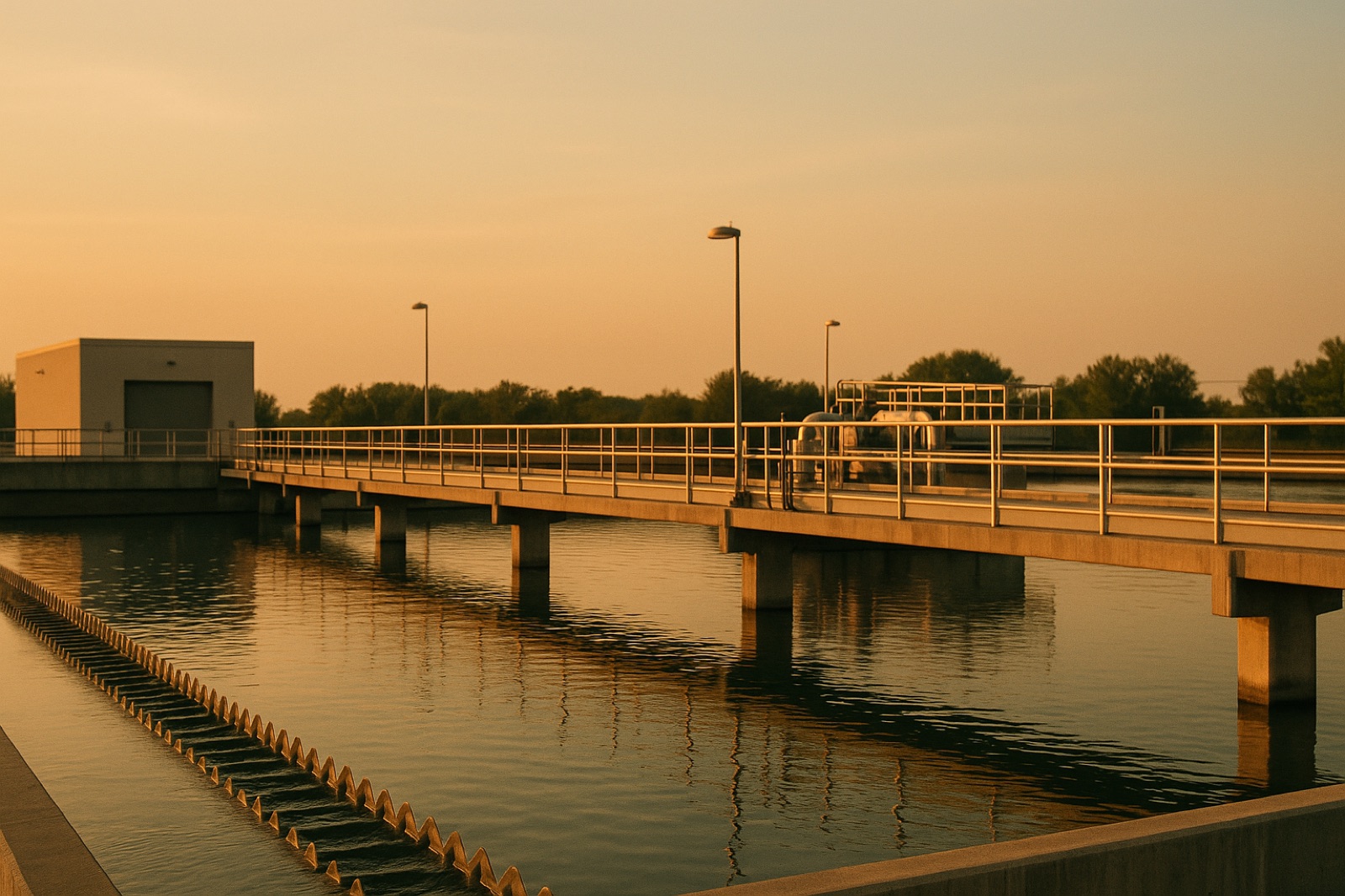
As the Midwest grapples with its own water management challenges, lessons from other regions can provide valuable insights. The Colorado River, a vital resource for multiple states, is a compelling case study. Local managers are moving toward partnerships rather than conflict, demonstrating that collaboration can lead to more sustainable water management practices.
The Colorado River is crucial to the American Southwest, supporting agriculture, urban development, and recreation. However, prolonged drought and climate change have pushed water managers to reconsider how they allocate this precious resource. Instead of competing, stakeholders are finding ways to cooperate, which could serve as a model for the Midwest's own water systems.
Understanding Collaborative Models
Collaboration can take many forms in water management. For instance, various stakeholders may form a coalition to share data, develop joint conservation strategies, or invest in shared infrastructure. By pooling resources, these groups can address issues that no individual entity could solve alone. The Colorado River's local water managers have recognized that working together can yield benefits such as improved water efficiency and enhanced resilience against climate variability.
In the Midwest, similar partnerships could be advantageous. With multiple municipalities, agricultural interests, and environmental groups often at odds over water resources, establishing collaborative frameworks could help mitigate conflicts. For example, river basin organizations could facilitate shared goals for water quality and availability, encouraging different entities to work together towards common objectives.
The Role of Local Management
Local water managers play a critical role in these collaborative efforts. They are often more familiar with the unique challenges their communities face and can tailor solutions to fit local needs. Their on-the-ground knowledge allows them to effectively communicate the importance of shared stewardship to stakeholders who may have competing interests.
In the Midwest, local management agencies are increasingly recognizing the importance of partnership. For instance, regional treatment companies that test private wells are beginning to coordinate with public water systems to ensure that all sources of water are safe and sustainable. This type of collaboration not only improves water quality but also builds trust within communities, as residents see tangible efforts to protect their water supply.
Challenges to Cooperation
While the benefits of collaboration are clear, achieving it can be challenging. Different stakeholders may have varying priorities, and historical conflicts can create mistrust. Furthermore, regulatory frameworks can complicate efforts to form partnerships. In the Midwest, water laws and regulations differ from state to state, often making it difficult to implement cooperative initiatives across borders.
To overcome these challenges, fostering open communication and establishing clear goals are essential first steps. Workshops, community meetings, and facilitated discussions can help bridge gaps between stakeholders. By focusing on shared values, such as maintaining clean water for future generations, parties that may otherwise disagree can find common ground.
Looking Ahead
The ongoing situation with the Colorado River illustrates that, when faced with dwindling resources, the path of competition can lead to further degradation. In contrast, partnerships can foster innovation and resilience, essential qualities for effective water management. For the Midwest, enhancing cooperation among various water users could not only improve water quality but also prepare the region for future challenges posed by climate change.
As Midwestern communities contemplate their water futures, looking toward collaborative models could lead to more sustainable practices and a more equitable distribution of resources. By learning from the experiences of other regions, such as the proactive measures being taken by local managers across the Colorado River basin, the Midwest can build a robust framework for water management that prioritizes cooperation over conflict.