Wells & Rural
Nitrate Pollution in the Midwest: A Growing Concern for Communities
As nitrate pollution poses a threat to local water supplies, communities must take action to safeguard their drinking water.
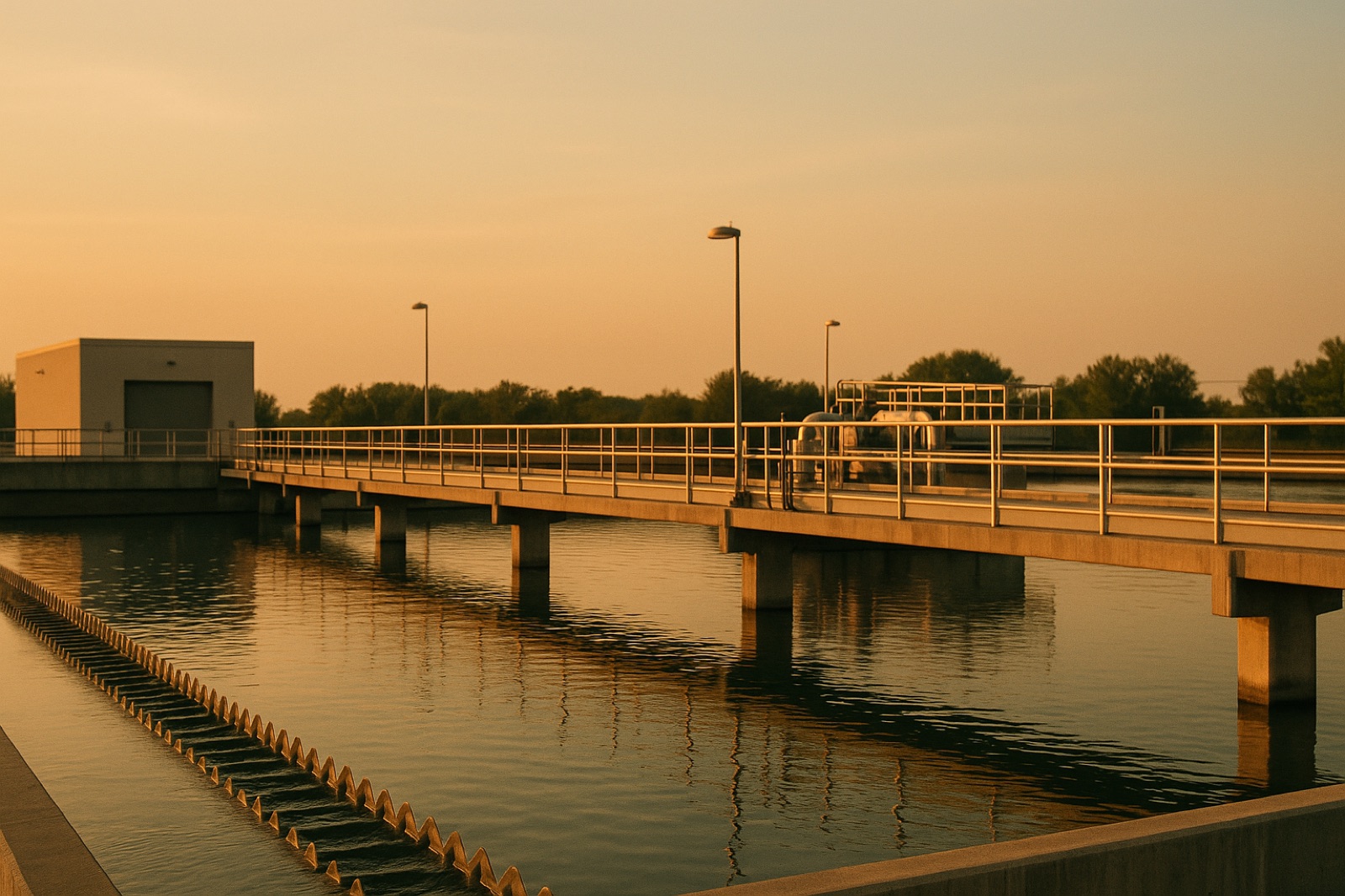
In the heart of the Midwest, clean water has long been a cornerstone of community health and economic vitality. However, rising nitrate levels in drinking water pose a significant challenge, particularly for small towns reliant on wells for their water supply. Understanding the sources of this pollution and its implications is crucial for local residents.
Sources of Nitrate Pollution
Nitrate is a compound commonly found in fertilizers and animal waste, making agricultural practices a primary contributor to its presence in groundwater. The Midwest, often dubbed the "Corn Belt" due to its vast agricultural output, has seen increasing concerns over nitrate runoff, especially from concentrated animal feeding operations (CAFOs). These farms produce large quantities of manure, which, when not managed sustainably, can seep into nearby water sources.In Chippewa Falls, Wisconsin, community officials have been proactive in tackling this challenge. The city has a history of prioritizing clean water; however, a recent spike in nitrate levels has raised alarms. According to a report from Circle of Blue, "This American City Perfected Clean Water for Beer - Now It’s Fighting to Keep Cancer-Causing Nitrates Out of the Tap," local utility managers detected potentially dangerous concentrations of nitrates in one of the wells supplying the city. This situation underscores the ongoing struggle for communities to secure safe drinking water amid agricultural pressures.
The Health Implications of Nitrate Contamination
Nitrate in drinking water has been linked to various health concerns, particularly for vulnerable populations such as infants and pregnant women. The compound can interfere with the blood's ability to carry oxygen, leading to serious health conditions known as methemoglobinemia or "blue baby syndrome". As awareness of these health risks grows, communities are facing increasing pressure to monitor and manage their water supplies effectively.Regulatory Landscape and Community Actions
Regulatory measures aimed at controlling nitrate levels are essential, yet they can be difficult to enforce, particularly in rural areas where agricultural practices dominate. Recent decisions by state regulators, such as Michigan's approval of a large concentrated dairy farm in a region already struggling with pollution, highlight the complexities involved in managing water quality. As noted in another report from Circle of Blue, "Michigan regulators approve dairy CAFO in pollution hotspot," the balance between agricultural development and protecting water resources remains a contentious issue.To combat nitrate pollution, communities can take several measures. These include advocating for stricter regulations on agricultural runoff, investing in better wastewater treatment systems, and implementing best management practices for manure management. Additionally, public awareness campaigns can inform residents about the importance of protecting local water supplies and encourage them to participate in monitoring efforts.
Moving Forward
As the Midwest continues to grapple with nitrate pollution, collaboration between farmers, local governments, and community members will be vital. By prioritizing sustainable agricultural practices and proactive water management strategies, communities can work towards ensuring that their drinking water remains safe and clean. The commitment to clean water is not just a local issue; it reflects a broader responsibility to future generations.In conclusion, the challenge of nitrate pollution in the Midwest requires concerted efforts from all stakeholders. As towns like Chippewa Falls exemplify, community engagement and regulatory vigilance are key components in the fight for safe drinking water amidst agricultural pressures. Ensuring access to clean water is paramount, and it is a responsibility that must be shared by all.