Wells & Rural
Navigating Water Rights in a Changing Climate: Midwest Perspectives
Understanding how changing weather patterns impact water availability and rights in the Midwest.
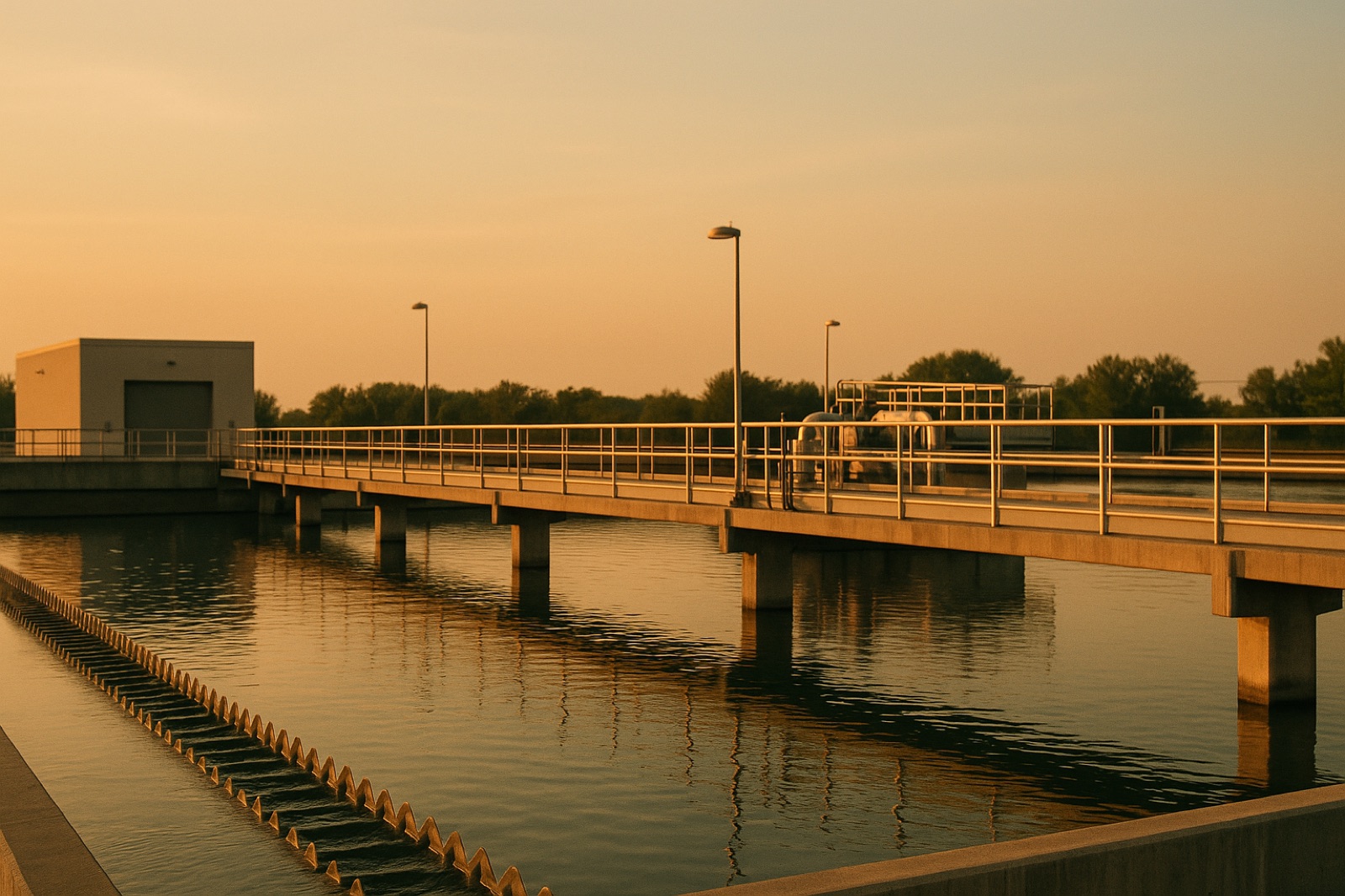
As climate change continues to alter weather patterns across the United States, the Midwest faces a pressing challenge: how to manage water rights in a region that relies heavily on both surface and groundwater. While abundant water sources have traditionally characterized much of this region, increasingly erratic weather phenomena are reshaping the landscape of water availability.
The Midwest's water systems are largely sustained by rainfall and snowmelt, with rivers and lakes feeding into aquifers that supply drinking water and support agriculture. However, recent patterns indicate that extreme weather events such as droughts or heavy rainfall are becoming more frequent. These shifts can lead to both over-extraction of water during dry spells and potential contamination of water systems during heavy storms.
Understanding Water Rights
Water rights in the Midwest are governed by a mix of state laws, which can vary dramatically from one state to another. Many areas still abide by the doctrine of riparian rights - which grants landowners the right to access water sources adjacent to their property. Others, particularly in the western United States, employ prior appropriation systems, where water is allocated based on who first appropriated it. In the Midwest, however, the complexities of these laws become more pronounced when climate variability is introduced into the equation.
For example, agricultural producers may find themselves grappling with insufficient water supplies due to prolonged drought conditions. As mentioned in a recent analysis, “the next great climate divide will be between countries that have the resources to adapt and those that don’t,” highlighting the importance of equitable access to water resources as climate conditions evolve (The Guardian). This divide is not only relevant on a global scale but resonates deeply within the Midwest, where water-intensive agriculture plays a critical role in the economy.
Climate Change and Agricultural Needs
Farmers in states such as Illinois and Missouri are increasingly aware of the need for sustainable water management practices. Strategies such as rainwater harvesting, improved irrigation efficiency, and the adoption of drought-resistant crops are gaining traction as climate conditions shift. Additionally, the need for collaboration among farmers, local government, and water management agencies has never been more crucial. As water tables drop and competition for water resources increases, having a coordinated approach becomes vital.
Moreover, legal disputes over water rights are becoming more common as interests clash under changing environmental conditions. It is essential for policymakers to establish clear regulations that consider both current realities and potential future scenarios. This could mean revisiting long-standing water rights laws to address the complexities posed by climate change and its impact on water availability.
Community Engagement and Education
To navigate these challenges successfully, community engagement and education are necessary. Residents need to understand their local water rights, the sources of their water, and how climate change may impact these resources. Public forums and educational initiatives can empower citizens to advocate for sustainable water practices, ensuring that both urban and rural perspectives are included in discussions about water management.
As local governments formulate strategies to address water scarcity and flooding, involving residents in these conversations can lead to more robust and equitable solutions. The ability to address water rights concerns effectively will determine how the Midwest adapts to ongoing climate shifts.
In conclusion, while the Midwest has traditionally enjoyed abundant water resources, the unpredictable nature of climate change demands a reevaluation of water rights and management practices. By fostering community engagement and revising legal frameworks, the region can work towards a sustainable approach that balances agricultural needs, urban demands, and environmental conservation.