Wells & Rural
Navigating the Future of Tribal Water Infrastructure in the Midwest
Tribal communities in the Midwest are poised for significant improvements in water systems thanks to federal funding.
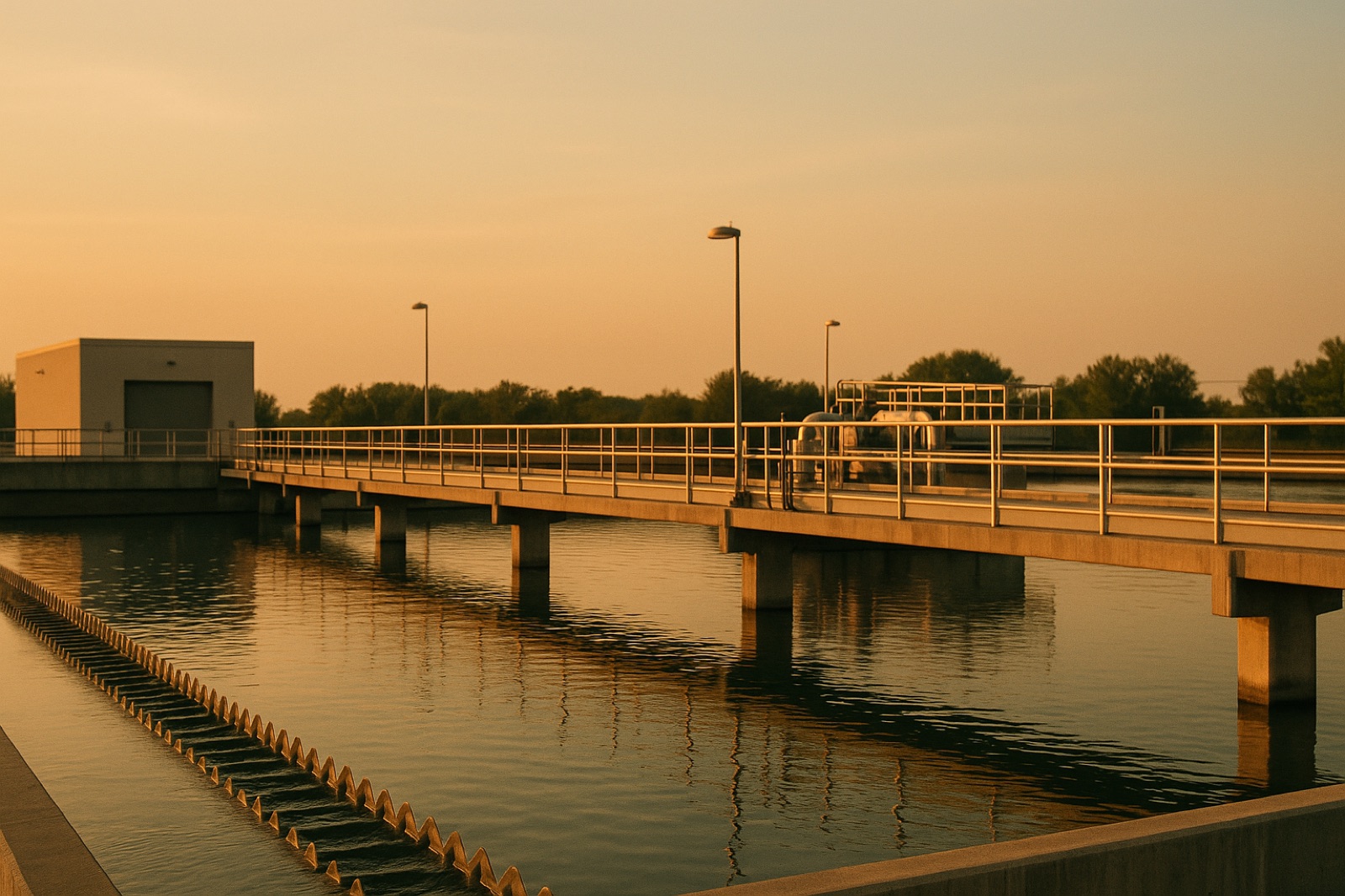
Access to clean and reliable drinking water is a fundamental need for any community. However, many Tribal communities across the Midwest have faced significant challenges in ensuring their residents have access to safe water. Recently, the U.S. Environmental Protection Agency (EPA) announced a substantial funding initiative aimed specifically at improving drinking water and wastewater services for American Indian Tribes and Alaska Native Villages. More than $227 million will be directed towards these initiatives, signaling a commitment to addressing longstanding infrastructure needs in these communities.
Understanding the Context
The funding announcement from the EPA has the potential to transform water systems in Tribal areas, where aging infrastructure and historical underinvestment have left many residents without reliable access to safe drinking water. This initiative is part of a broader effort by the federal government to rectify historical inequities and to ensure that all communities can access the basic resource of clean water.
Many Tribal water systems face challenges due to limited financial resources, which hampers their ability to maintain existing infrastructure or to invest in necessary upgrades. The recent move by the EPA, which aims to help Tribal communities navigate these challenges, is a significant step forward. As described in the summary of the announcement, the funding will help Tribal communities access safe and reliable drinking water, which is vital for both health and economic development.
The Importance of Infrastructure Investment
Water infrastructure encompasses not just the pipes and treatment facilities that deliver clean water to homes but also the systems that manage wastewater. For many Tribal communities, the lack of investment has resulted in systems that are not only outdated but also insufficient to meet current demands. The federal funding can be utilized for a variety of needs, from upgrading water treatment facilities to installing new distribution pipes that minimize leaks and contamination risks.
Moreover, improving water infrastructure can enhance public health outcomes. Access to safe drinking water reduces the risk of waterborne diseases, which can be a significant concern in communities with inadequate systems. Reliable wastewater management is equally important, as it helps protect water sources from contamination and supports overall environmental health.
Community Engagement and Future Prospects
The success of this funding initiative will depend not only on financial investment but also on community engagement. Tribal leaders and residents should be actively involved in the planning and implementation of water projects. By fostering local input, these initiatives can be tailored to effectively meet the unique needs of each community. This approach also helps build public trust in local water systems, which is essential for ensuring that residents value and support these initiatives.
As noted in the announcement, the EPA is taking a radically transparent approach, emphasizing the need for robust input from affected communities. This focus on community involvement can lead to better decision-making and more effective solutions for water management.
The Road Ahead
The path toward improved water systems in Tribal communities is complex and requires persistent efforts. However, the recent federal funding represents a significant opportunity to address the urgent needs of these populations. Moving forward, it will be essential to monitor how these funds are utilized and to evaluate their impact on local water systems.
Ultimately, the goal is not just to provide immediate relief but to establish sustainable water management practices that can serve these communities for generations to come. As we watch these initiatives unfold, it is vital to maintain a focus on equitable access to water - a fundamental right for every individual, regardless of their geographical or cultural background.
For more on the EPA’s funding efforts, you can read the announcement on Water Finance and Management.