Great Lakes
Navigating Regional Water Challenges: Lessons from the Great Lakes and Beyond
Exploring the collaborative strategies in water management amid growing contamination concerns.
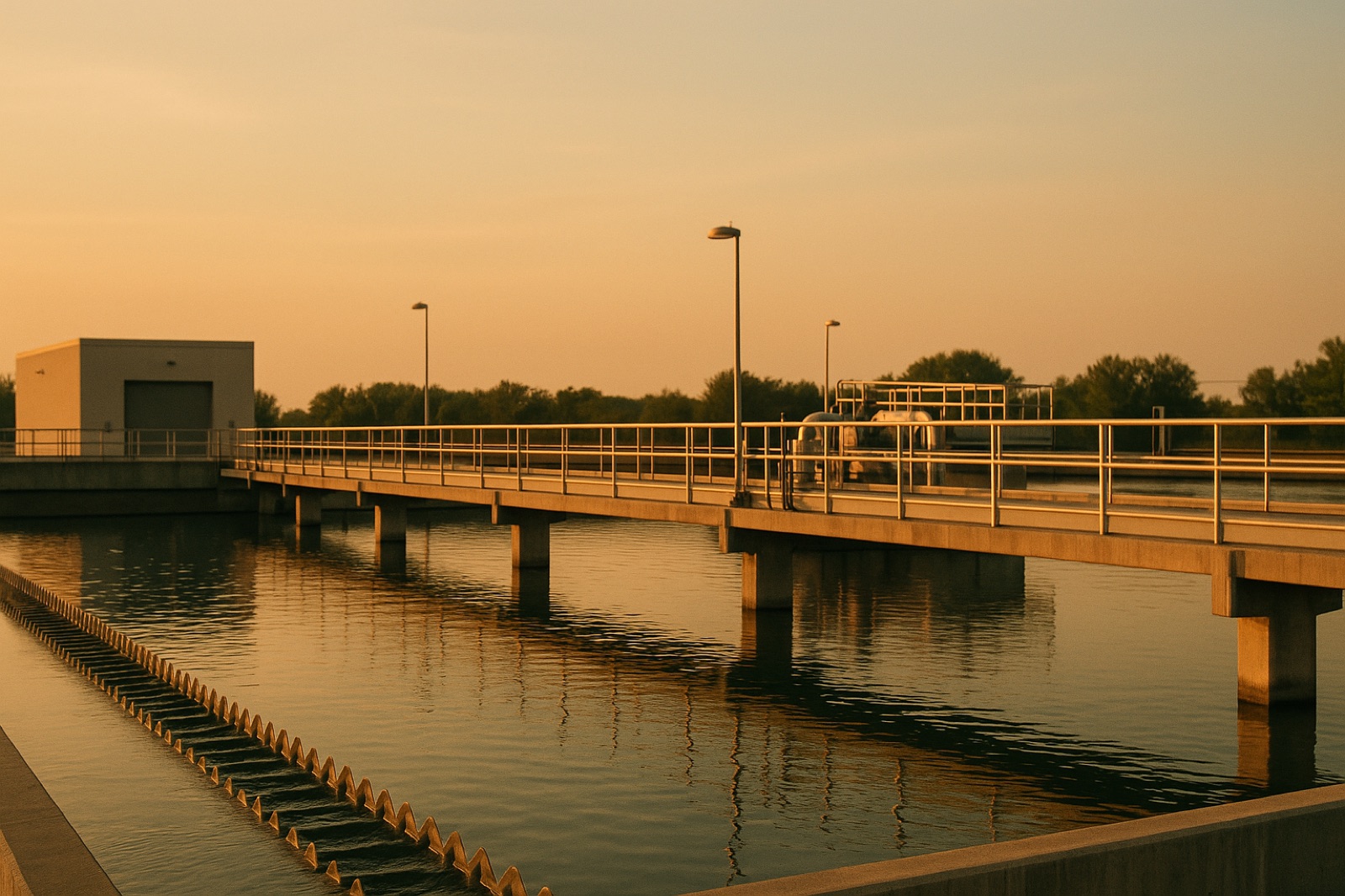
The Great Lakes region faces numerous water management challenges, not least of which is the contamination from substances like PFAS, often referred to as 'forever chemicals.' These chemicals have long been a concern due to their persistence in the environment and potential health effects. North Bay, Ontario, has recently come under scrutiny as a hotspot for PFAS contamination. Federal officials have begun to address these issues, emphasizing remediation efforts to restore the city's waterways affected by historical contamination. As noted in a recent article from Circle of Blue, this situation has mobilized community members and government representatives together in search of solutions.
Understanding PFAS and its Implications
Per- and polyfluoroalkyl substances (PFAS) are a group of man-made chemicals used in various industrial applications and consumer products, including non-stick cookware, water-repellent clothing, and firefighting foams. These substances are notorious for their resistance to degradation, leading to widespread environmental contamination. In the Midwest, where agriculture and urban development intersect, the potential pathways for PFAS to enter water systems raise significant concerns for public health and environmental integrity.
While North Bay is addressing its PFAS challenges directly, the broader implications of such contaminants extend far beyond any single locality. The interconnected nature of water systems in the Great Lakes region means that contamination does not recognize geographic boundaries. As such, solutions to these challenges require collaborative efforts between municipalities, regional authorities, and various stakeholders.
Collaborative Water Management Strategies
The response to PFAS contamination in the Great Lakes serves as a case study for how local managers can choose partnership over conflict. Collaboration is critical in developing effective remediation strategies. As illustrated in the article "Forget Western Water War: Local Managers Choose Partnership" by Circle of Blue, partnerships can facilitate resource sharing, knowledge exchange, and more cohesive planning across jurisdictions. This cooperative model can be particularly beneficial in regions where water scarcity and contamination pose significant threats to both the environment and local economies.
Through these partnerships, local managers are increasingly focused on sustainable practices that not only address immediate contamination issues but also mitigate future risks. For instance, investing in advanced filtration technologies and improving monitoring systems are essential steps in ensuring safe drinking water. Furthermore, engaging communities in these processes builds trust and fosters a sense of shared responsibility.
Looking Ahead: The Role of Policy and Innovation
As the Midwest continues to grapple with the implications of contaminants like PFAS, innovative policy solutions will be paramount. There is a growing recognition that traditional approaches to water management may not suffice in addressing the complexities of modern water challenges. Policymakers must weigh the economic, environmental, and social dimensions of water management, especially in areas where contamination is pervasive.
Education and awareness are crucial components of this strategy. Communities must be informed about the sources and risks of contaminants, as well as the actions being taken to safeguard their water supply. Local governments can play a vital role in disseminating this information and involving citizens in decision-making processes related to water management.
Ultimately, the path forward for the Great Lakes region and the Midwest at large will hinge on the ability to foster collaboration, innovate in policy application, and engage communities in proactive water stewardship. By learning from the experiences of places like North Bay and embracing partnership-oriented approaches, the region can better navigate its water challenges and work toward a more sustainable future.