Illinois
Understanding the Challenges of Water Supply in the Midwest Heat Dome
As rising temperatures affect water availability, understanding the impact on local systems is crucial for residents and businesses.
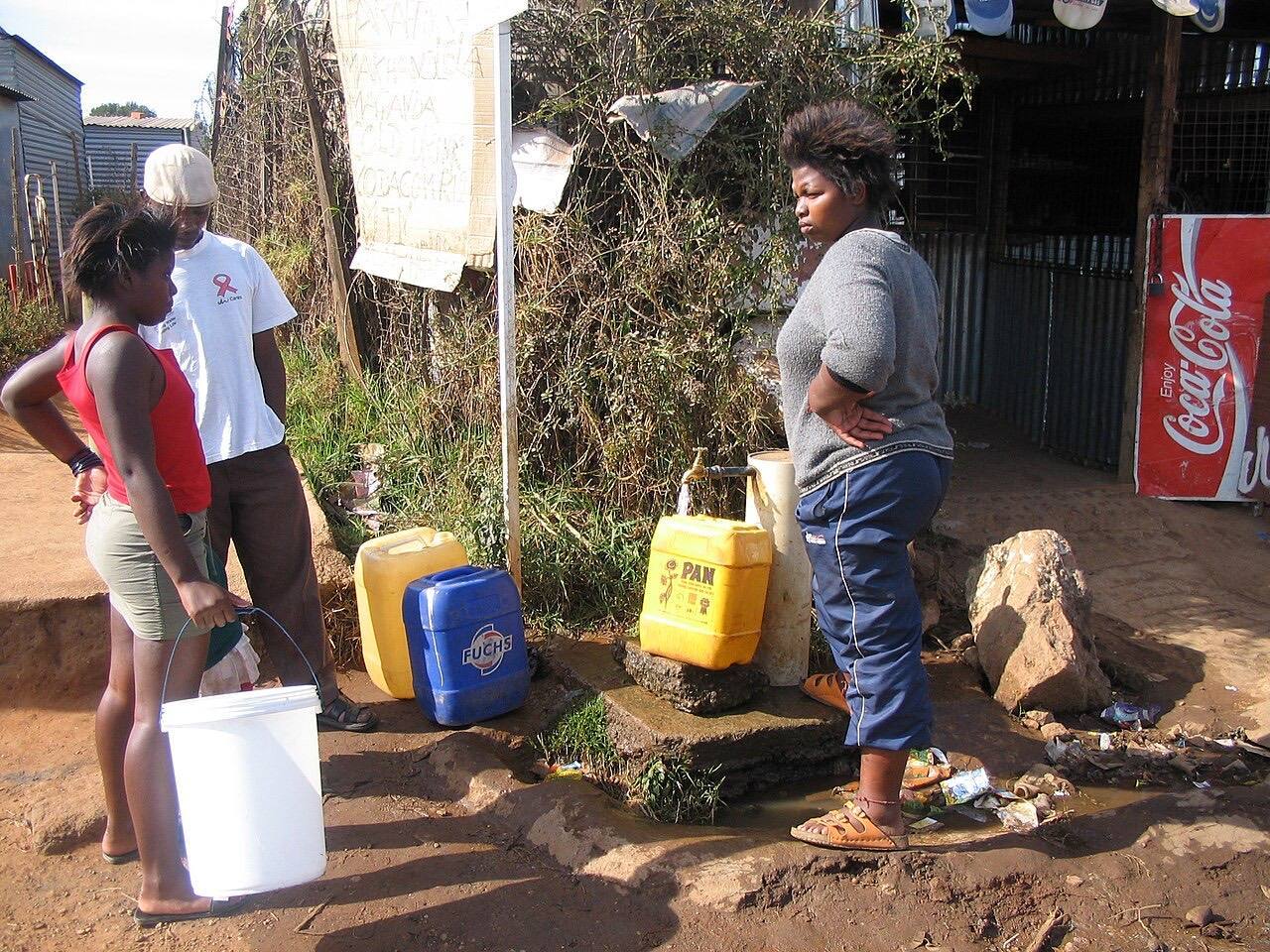
As residents of the Midwest grapple with extreme heat, the challenges of maintaining water supply systems are coming into sharper focus. The recent phenomenon of heat domes, which can cause significantly higher temperatures, has raised concerns not just about the comfort and health of residents but also about the operational capabilities of local water systems.
The Impact of Extreme Heat on Water Systems
During periods of intense heat, water demand typically surges. As temperatures rise, people often increase their water usage for drinking, irrigation, and cooling purposes. This spike in demand can place considerable strain on water supply systems, particularly in regions that may already be facing infrastructure challenges.
The heat dome effect influences not only the amount of water consumed but also the efficiency of water treatment and distribution systems. Elevated temperatures can lead to increased evaporation rates in reservoirs and can affect the chemical processes involved in water treatment. For example, higher temperatures can compromise the effectiveness of certain disinfection methods used to treat drinking water, potentially leading to safety concerns.
Regional Examples and Continuing Challenges
Local utilities across the Midwest are working diligently to manage these challenges. In Illinois, for instance, the state’s water systems are being pushed to their limits as residents face both higher temperatures and the ongoing pressures of aging infrastructure. The Illinois Environmental Protection Agency has noted that many water systems are struggling to keep pace with the demands placed on them during extreme weather events.
One recent report highlights how heat-related issues contributed to communication disruptions across various systems in the Midwest. According to The Guardian, an emergency alarm in Indiana went off during a non-emergency situation, illustrating how sensitive systems can become under the strain of unusual weather patterns. While the immediate issue was a false alarm, it underscores the complexities that utilities face in managing their operations under extreme conditions.
Challenges for Businesses and Residents
For businesses, especially those in hospitality or service sectors, water shortages can have immediate and severe impacts. The ongoing challenges faced by water utilities can lead to disruptions in water availability, as seen in other parts of the country experiencing similar heat waves. As noted in another report from The Guardian, prolonged water outages can deeply frustrate residents and strain local economies.
In the Midwest, restaurant owners and service providers must be prepared for the possibility of water shortages during heat waves. This could mean implementing conservation measures or investing in backup systems to ensure that they can continue to operate during peak demand periods.
Looking Forward: Strategies for Resilience
To build resilience against the impacts of extreme heat on water supply systems, Midwest utilities may need to consider several strategies. These can include investing in modern infrastructure to reduce leakages, improving water storage capabilities, and adopting technologies that enhance water recycling and treatment efficiency.
Communities can also benefit from engaging with regional treatment companies that test private wells to ensure safety and reliability in their water sources. Being proactive about water quality and availability can help mitigate some of the risks associated with developing heat conditions.
As the region continues to confront climate-related challenges, understanding how water systems function and planning for potential impacts will be essential for maintaining a reliable water supply for all residents and businesses in the Midwest. The situation underscores the need for thoughtful, community-focused approaches to water management in an era of changing climate dynamics.