Wells & Rural
When Manure Becomes Fuel, Rural Homeowners May Still Ask About Their Wells
A practical campaign plan can help local water companies answer biogas questions, distinguish energy policy from water testing, and identify homeowners who need appropriate follow-up.
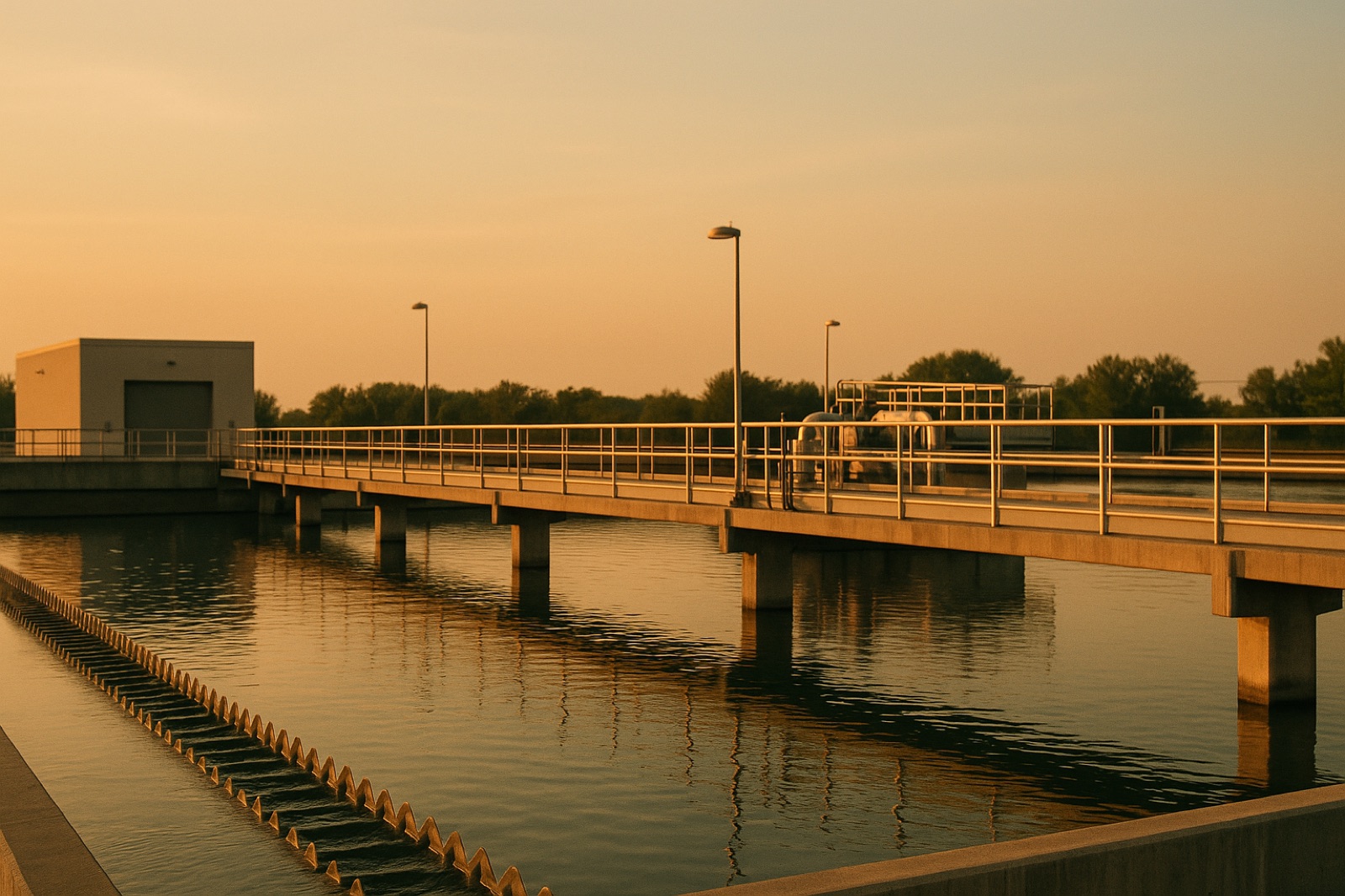
New federal guidance about livestock manure is likely to generate questions beyond the energy business. Circle of Blue reported in September 2026 that Internal Revenue Service guidance confirms gas extracted from livestock manure qualifies for a federal clean fuel tax credit. The change could encourage more investment in anaerobic digestion projects, according to the outlet’s report by Brian Bienkowski on the clean fuel credit.
For rural Midwest homeowners, the immediate question may be simpler: What does a nearby manure project mean for my well?
A local water company should not treat that question as proof of a water problem. Nor should it answer an energy policy question with a filter recommendation. The useful role is educational: explain what the federal announcement establishes, identify what remains unknown at a particular property, and show homeowners how to gather the information needed for a sensible next step.
Build the homeowner question map
The first task is to sort questions before creating a seminar, article or email campaign. Homeowners may ask whether the tax credit applies to a particular farm, whether a proposed digester changes manure handling, whether their well should be tested, or whether an existing treatment system addresses a specific concern.
Those are different questions with different owners. Tax eligibility belongs with federal guidance and project advisers. Site design and operating questions belong with the project developer and relevant public agencies. A well question begins with the property’s location, construction record, maintenance history, recent changes in water, and available test results. Treatment selection comes later, after the substance and service goal are clear.
This map protects homeowners from an unsupported leap from headline to equipment. It also helps a company recognize a qualified lead: not simply a worried reader, but a person within the service area who has a defined water question, relevant records and a reason to request testing, inspection or system review.
Put education on a local calendar
A four-week campaign is enough to make the topic useful without pretending to resolve a site-specific question.
Week one can explain what the federal guidance says and does not say. Week two can publish a well-record worksheet covering well depth, age, contractor records, past laboratory reports and observed changes. Week three can host a short public question session with clearly stated limits: general education first, property-specific recommendations only after records and appropriate testing are reviewed. Week four can explain how a professional evaluates results and separates source-water questions from plumbing or treatment-system issues.
The calendar should name the county or service area and direct residents to the appropriate local and state information sources. Rural water questions are local by nature. A broad national article may create attention, but useful education must help a homeowner identify the next responsible contact.
Use a restrained lead-capture checklist
An intake form does not need to ask for a sales appointment immediately. It should collect the homeowner’s name, town or ZIP code, preferred contact method, water source, main question, timing, existing treatment equipment, and whether a recent laboratory report or well record is available.
It should also ask what kind of help the person wants: educational material, help locating records, test planning, result review, equipment service or an estimate. That choice distinguishes an information request from a project opportunity while giving staff a useful basis for follow-up.
Website traffic provides context, not proof of demand. MidwestWaterNews.com recorded 3,248 page views, 1,804 visitors, 3,332 AI crawls and 1,891 search crawls in the supplied figures. No assists, queries or trend series were supplied. Those numbers show that pages and automated systems reached the site, but they do not reveal which homeowner questions produced calls or appointments.
Define the follow-up before publishing
Every submission should receive a prompt acknowledgment and one clear next step. Staff can then sort requests into education only, records needed, testing discussion, service review or estimate requested. The follow-up note should restate the homeowner’s question, list missing information and avoid recommending equipment before the underlying need is established.
Companies trying to build a local demand system should confirm a relevant water-marketing service or case-study page before replacing that general link with a more specific destination.
A sample campaign brief
Audience: Private-well households in the company’s actual service area. News trigger: Federal tax guidance for gas extracted from livestock manure. Homeowner need: Understand whether a nearby project creates a property-specific water question. Educational promise: Separate energy policy, project oversight, well records, testing and treatment decisions. Primary action: Submit a well-question form and indicate whether records or test results are available. Qualification standard: Serviceable location, identifiable concern and willingness to gather evidence. Follow-up: Route the request to education, testing discussion, system review or estimate.
The campaign succeeds when it makes the next decision clearer. The federal credit may increase attention to manure-based gas projects. A local water company earns trust by keeping that headline in its proper lane and helping rural homeowners put their own well questions in order.