Infrastructure
The Challenge of Managing Water Systems During Extreme Weather Events
How Midwest water systems are adapting to increased pressure from climate-related phenomena.
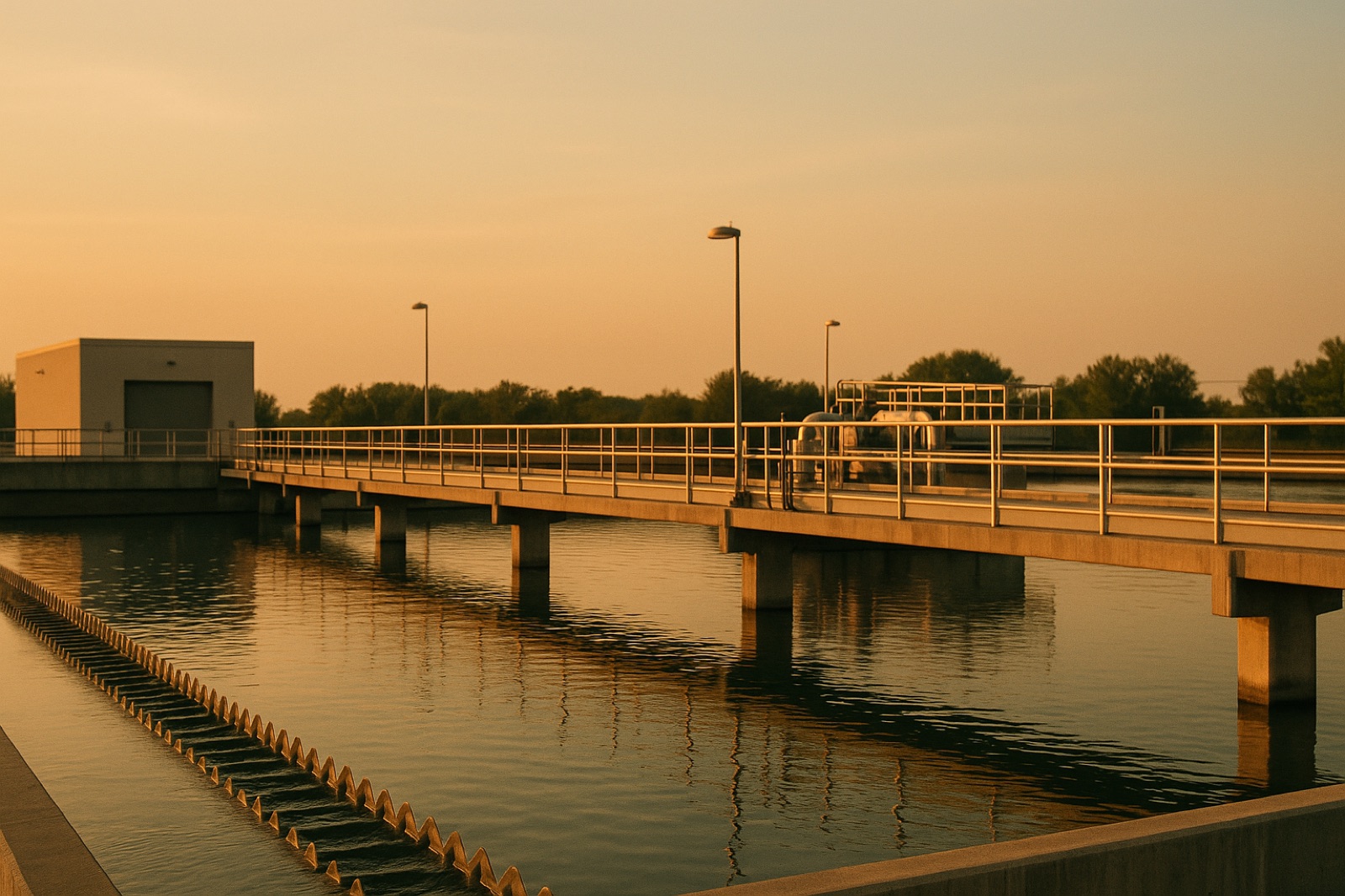
The Midwest is no stranger to severe weather, but recent events suggest that the frequency and intensity of extreme weather are increasing, posing significant challenges for regional water systems. As temperatures rise and climate patterns shift, understanding how these systems function - and how they adapt - is crucial for residents and policymakers alike.
This summer, residents in the Midwest faced unusual weather patterns, including heat waves that affected not only comfort but also communication systems. According to The Guardian, higher temperatures can cause radio signals to travel farther than usual, which led to misunderstandings during a recent emergency alarm incident in Indiana. While this event did not directly relate to water management, it highlights a broader point: extreme weather conditions can have cascading effects on infrastructure, including water systems.
Understanding Water Systems
Midwest water systems typically consist of interconnected networks that manage both surface and groundwater. These systems include pipelines, treatment facilities, reservoirs, and various delivery mechanisms that ensure residents have access to safe drinking water. Each component must function properly, especially during periods of stress, such as droughts or floods.
As climate change leads to more volatile weather patterns, the stresses on these systems are becoming more apparent. For example, prolonged dry spells can deplete groundwater supplies, making it necessary for water systems to rely on surface water. Conversely, heavy rainfall can overwhelm treatment facilities, leading to potential contamination. These scenarios underscore the importance of maintaining a proactive approach to water management and infrastructure upgrades.
Strategies for Resilience
To mitigate the impacts of extreme weather, water managers in the Midwest are implementing several strategies. One critical approach is the use of advanced technology to monitor water quality and system performance in real time. This allows for quicker responses to issues such as contamination or system failures.
Investment in infrastructure is also essential. Many communities are working to replace aging pipes and treatment plants to ensure they can handle extreme weather events. For example, building green infrastructure - such as rain gardens and permeable pavement - can help manage stormwater and protect groundwater supplies. Such initiatives not only prepare systems for extreme weather but also enhance community resilience.
The Role of Community Engagement
Effective water management is not solely the responsibility of utility companies or government bodies; community involvement is essential. Public education campaigns can raise awareness about water conservation and promote better practices among residents. In some areas, local governments are forming partnerships with community organizations to foster engagement and gather input on water management strategies.
As communities adapt to the realities of climate change, these collaborative efforts can facilitate more sustainable practices and ensure everyone has a voice in water management decisions. By empowering residents to understand their role in conserving water and protecting local ecosystems, communities can build resilience against the challenges posed by extreme weather.
The ongoing changes in our climate are bound to influence water systems in the Midwest. By understanding how these systems operate and what measures can be taken to enhance their resilience, individuals and communities can better navigate the challenges ahead. As noted in The Guardian, "the only issue? There wasn’t a storm, tornado or any other emergency weather event," underlining the unpredictable nature of our climate. Preparing for these uncertainties is more important than ever.
In summary, the Midwest faces significant challenges as climate-related phenomena increasingly impact water systems. Through a combination of investment in infrastructure, adoption of new technologies, and community engagement, the region can work towards a more resilient future in water management.