Great Lakes
The Complexities of Managing Water Quality in the Midwest
Exploring the intricacies of water quality management amid emerging contaminants and regional cooperation.
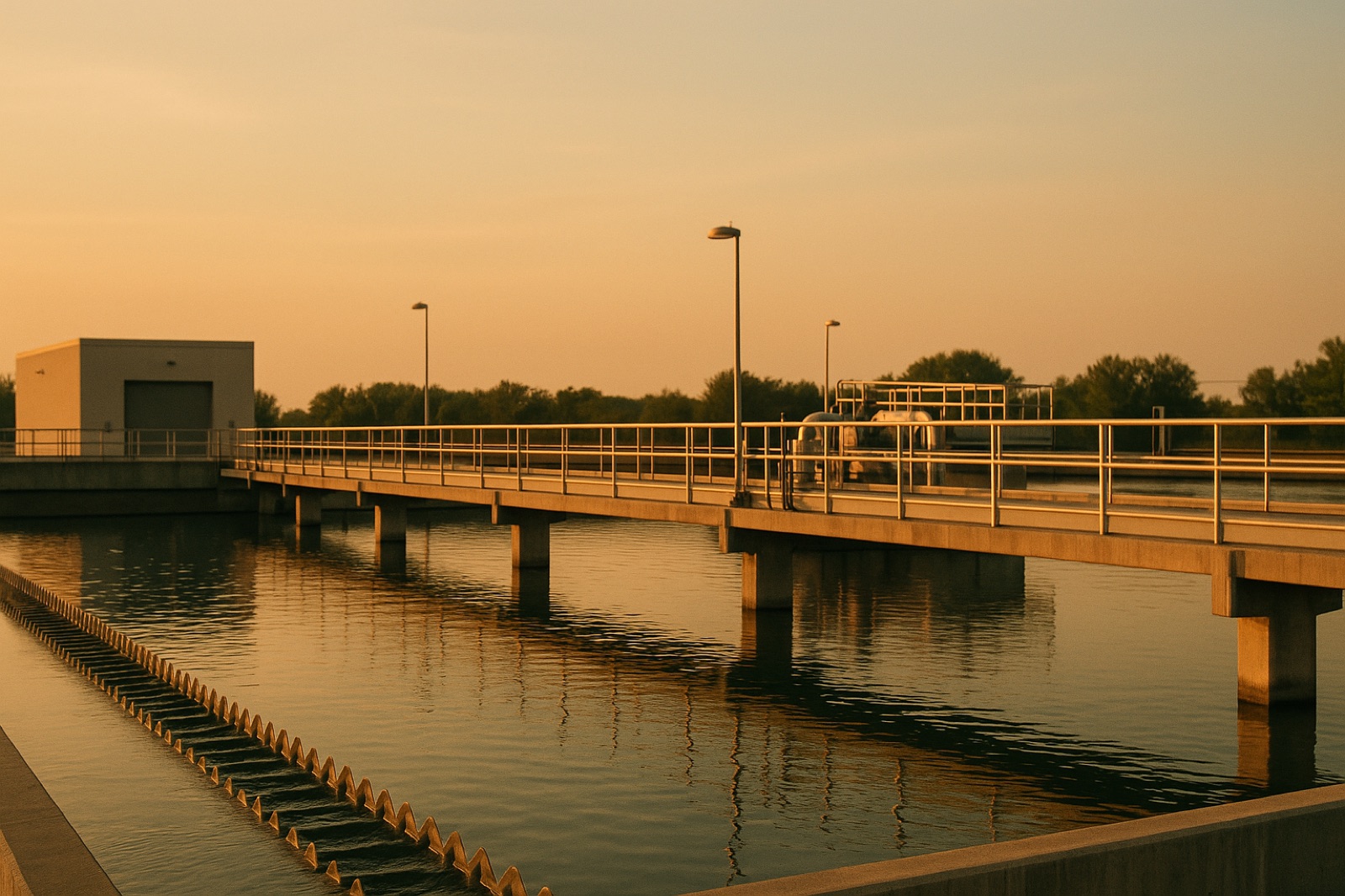
The Midwest is home to a vast network of lakes, rivers, and groundwater supplies that serve millions of residents. Ensuring the quality of this water is a vital task, complicated by emerging contaminants such as per- and polyfluoroalkyl substances (PFAS) and the need for cross-border collaboration among states and communities.
The Challenge of PFAS
PFAS, often referred to as "forever chemicals" due to their persistence in the environment, have gained attention across the region. These substances have been linked to adverse health effects and have been detected in water supplies throughout the Midwest. In Ontario, for instance, North Bay is currently grappling with significant PFAS contamination. According to a recent article from Circle of Blue, federal officials gathered to discuss remediation plans for the city's waterways, highlighting the ongoing need for both accountability and action to address long-standing contamination issues.Understanding Water Management Frameworks
Water management in the Midwest operates through a combination of state regulations, local governance, and federal oversight. Each state has its own set of laws regarding water quality, often influenced by local environmental conditions and historical factors. In many cases, states must work together to address issues that cross borders. The Great Lakes Compact, for example, is a significant agreement that governs the management of water resources in the Great Lakes basin, allowing for regional cooperation to protect and conserve this vital resource.The Role of Infrastructure
Infrastructure plays a critical role in maintaining water quality. Aging systems in many Midwest cities require upgrades to deal with modern challenges. For instance, combined sewer overflows (CSOs), which occur when heavy rain overwhelms sewage systems, can lead to untreated wastewater being released into rivers and lakes. Upgrading infrastructure to separate stormwater from sewage can mitigate this problem and enhance water quality. This effort often necessitates significant investment and long-term planning.The Importance of Community Engagement
Effective water quality management hinges on community involvement. Residents must stay informed about local water issues, participate in public meetings, and advocate for policies that prioritize clean water. Many cities are working to enhance transparency and communication with their constituents, utilizing online platforms to share water quality data and updates on infrastructure projects. Engaging the community can foster a sense of ownership and responsibility, leading to more sustainable practices and support for necessary reforms.Looking Forward
As the Midwest continues to face diverse challenges related to water quality, regional cooperation and innovative solutions will be essential. Addressing the PFAS crisis and upgrading old infrastructure are just two of the pressing tasks ahead. Policymakers, local leaders, and communities must work together to ensure that water remains a safe and abundant resource for future generations. Initiatives like the Great Lakes Compact can serve as a model for collaboration that transcends state lines, helping to safeguard the region's most vital resource.In summary, while the challenges of managing water quality in the Midwest are significant, they are not insurmountable. Through cooperation, investment, and community engagement, it is possible to navigate these complexities and ensure clean, safe water for all residents.