Missouri
The Role of Local Water Systems in Mitigating Heat Impacts
Understanding how community water management can help residents cope with extreme heat conditions.
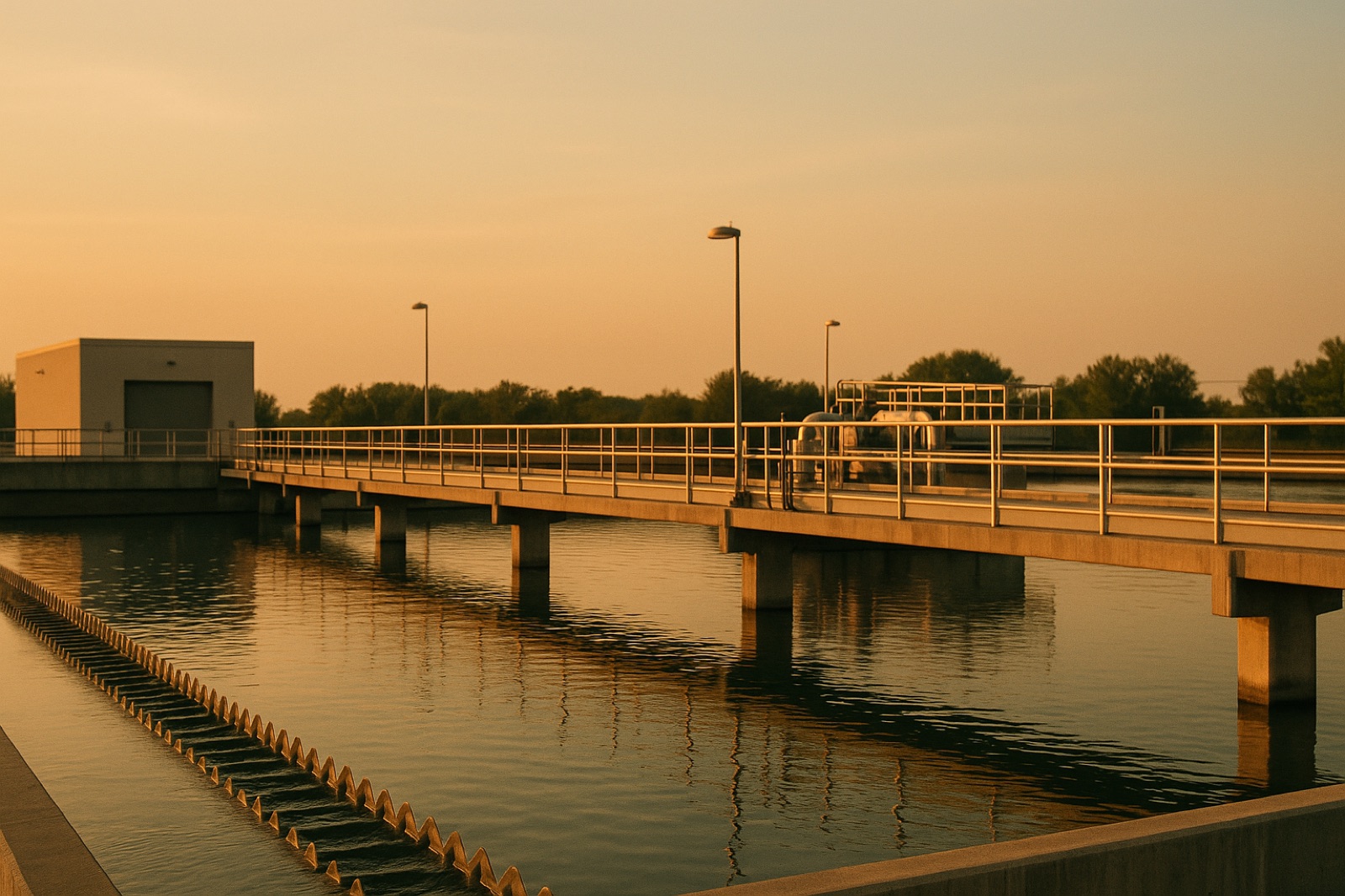
As the Midwest experiences increasingly extreme heat events, understanding how local water systems can mitigate these conditions becomes crucial. With temperatures on the rise, especially during the summer months, residents in Missouri face challenges that call for effective water management strategies.
Water Systems and Their Importance
Water systems are vital for sustaining life, especially during periods of extreme heat. In Missouri, these systems are designed to provide safe drinking water, manage wastewater, and support irrigation for agriculture. However, their role extends beyond basic necessities. They can also contribute significantly to cooling urban environments and supporting public health initiatives.
Heat and Water Demand
During heatwaves, the demand for water often spikes as residents increase their water usage for drinking, bathing, and cooling systems such as air conditioning. The Guardian notes that access to air conditioning has become critical, forming a new divide in communities. Without adequate water supply, the ability to cool homes and businesses diminishes, exacerbating health risks associated with extreme temperatures.
Community-Based Solutions
In Missouri, local governments and water authorities are exploring community-based solutions to enhance water availability during high-demand periods. One approach is the development of green infrastructure, including rain gardens and permeable pavements, which helps manage stormwater while retaining moisture in urban areas.
Additionally, public education on water conservation practices can also play a role in ensuring that residents use water wisely, especially during heatwaves when every drop counts. Simple measures like fixing leaks, timing irrigation, and using drought-resistant landscaping can alleviate pressure on local water systems.
Rural Water Systems
For rural residents, managing private wells becomes a significant concern as extreme heat can affect groundwater levels. Rural communities often rely on these wells for drinking water, making it essential to ensure their reliability. This is where regional treatment companies that test private wells come into play, offering services that ensure water quality and availability even during challenging conditions.
Resilience Planning
Looking ahead, Missouri's water management agencies must integrate heat resiliency into planning and infrastructure development. This includes investing in technologies that bolster water conservation and efficiency, as well as strategies that prepare communities for future climate scenarios. The importance of these measures is underscored by the current discussions around climate adaptation strategies.
The Importance of Collaboration
Collaboration among local governments, water authorities, and community organizations is essential for creating effective water management policies. Engaging the community in decision-making ensures that the solutions developed are tailored to the specific needs of residents, particularly in areas most vulnerable to the impacts of extreme heat.
As extreme weather events become more frequent, the relationship between water systems and public health will take center stage. The strategies implemented today will dictate the resilience of Missouri's communities in facing tomorrow's challenges. Understanding how these systems work and the role they play in our daily lives can empower residents to advocate for sustainable practices and policies that protect both their health and their environment.