Infrastructure
The Role of Local Partnerships in Water Management Across the Midwest
Local collaboration is emerging as a key strategy for effective water management in the Midwest.
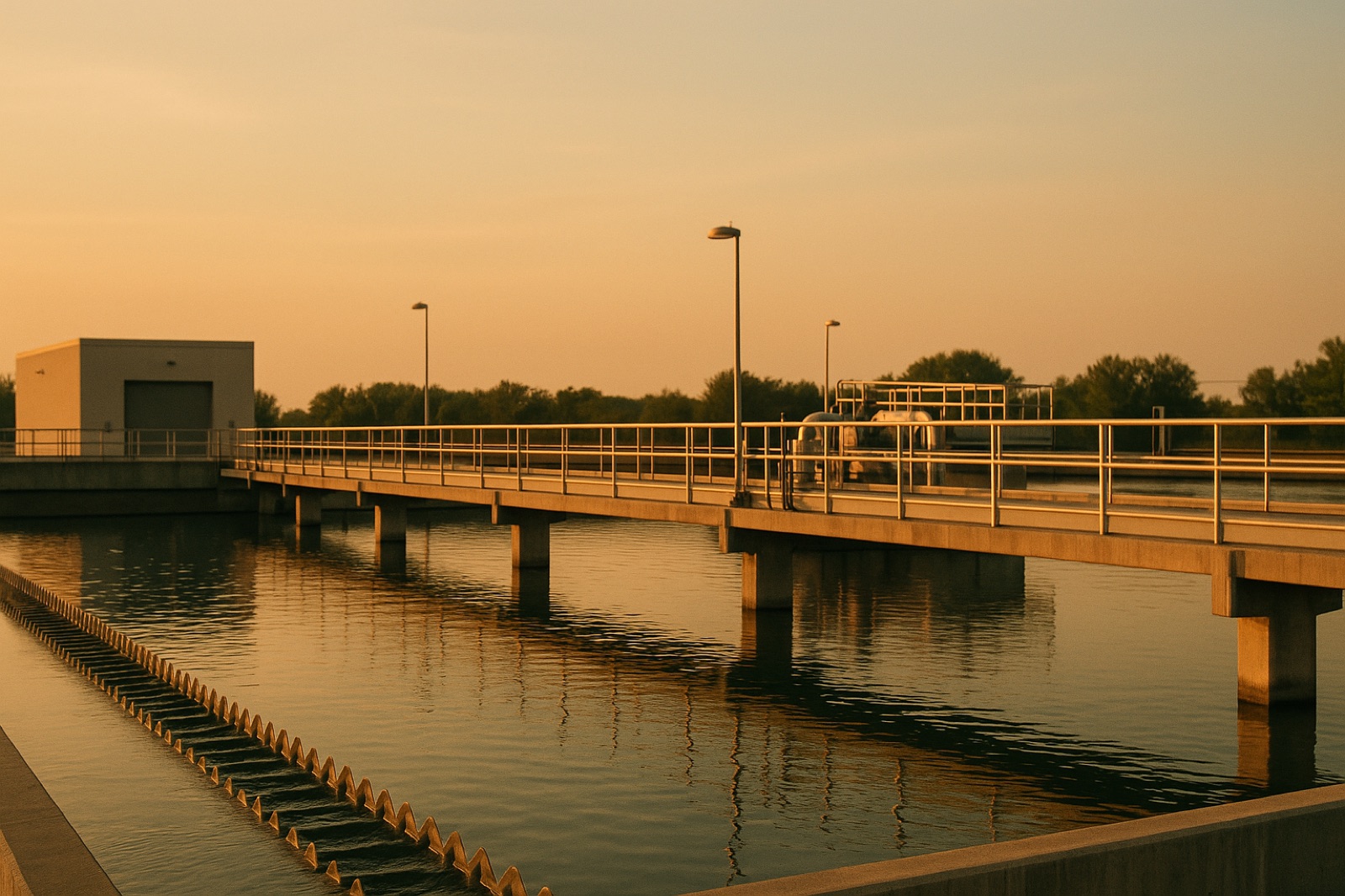
In the face of increasing challenges related to water scarcity, pollution, and climate change, local partnerships are proving to be an essential strategy for managing water resources effectively across the Midwest. As communities grapple with the complexities of their water systems, collective action is emerging as a promising approach to address these pressing issues.
Understanding Local Water Challenges
Water management in the Midwest is complicated by a variety of factors, including aging infrastructure, fluctuating demand, and environmental degradation. In many regions, the traditional model of managing water resources on an individual basis has led to inefficiencies and missed opportunities for collaboration. Local governments, municipalities, and water agencies are increasingly recognizing the benefits of working together to pool resources and share best practices.
Case Studies of Successful Partnerships
Recent examples illustrate how local managers are choosing partnership over conflict. For instance, in regions facing drought or pollution, various stakeholders have come together to develop integrated water management plans that leverage shared data and resources. This collaborative approach not only improves water quality but also enhances the resilience of local ecosystems.
In one notable instance, managers along the Colorado River have moved beyond traditional competitive approaches to water distribution and are exploring collaborative frameworks that prioritize the needs of both urban and rural communities. According to a report by Circle of Blue, "local managers choose partnership" as a path forward, demonstrating that working together can yield better outcomes for all involved.
The Importance of Data Sharing
Effective water management relies heavily on accurate and timely data. By partnering with neighboring jurisdictions, water managers can share crucial information about water quality, usage patterns, and infrastructure conditions. This data can help identify areas that require immediate attention and investment, and facilitate the development of long-term strategies for sustainability.
Moreover, sharing data can foster transparency and build trust among stakeholders, which is essential for successful collaboration. When communities understand the challenges their neighbors face, they are more likely to support joint initiatives that benefit the larger region.
Addressing Contaminants Through Collaboration
One of the significant concerns facing water systems across the Midwest is the presence of contaminants such as PFAS (per- and polyfluoroalkyl substances) and microplastics, which have raised alarm bells for public health and safety. As reported by Water Finance and Management, PFAS have reshaped the drinking water regulatory landscape. This challenge has led to increased public outcry and a demand for action.
Local partnerships can play a pivotal role in addressing these contaminants. By pooling resources and expertise, municipalities can implement more robust monitoring systems and treatment technologies to ensure clean drinking water for their residents. Collaborative efforts can also help prioritize funding and policy advocacy at the state and federal levels, amplifying the voices of concerned communities.
Moving Forward: The Path Ahead
As the Midwest continues to face pressing water management challenges, the importance of local partnerships will only grow. Policymakers, water managers, and community leaders must embrace collaborative models that foster innovation and adaptability. By working together, they can enhance the resilience of their water systems, ensuring access to clean, safe water for future generations.
In conclusion, the collaborative approach to water management is not just a trend but a necessary evolution in how communities deal with shared resources. The Midwest can serve as a model for other regions by demonstrating that when local stakeholders come together, they can create sustainable solutions that benefit everyone in the community.