Great Lakes
Invasive Carp and the Great Lakes: A Growing Concern for Water Quality
Invasive carp pose a significant threat to the biodiversity and water quality of the Great Lakes.
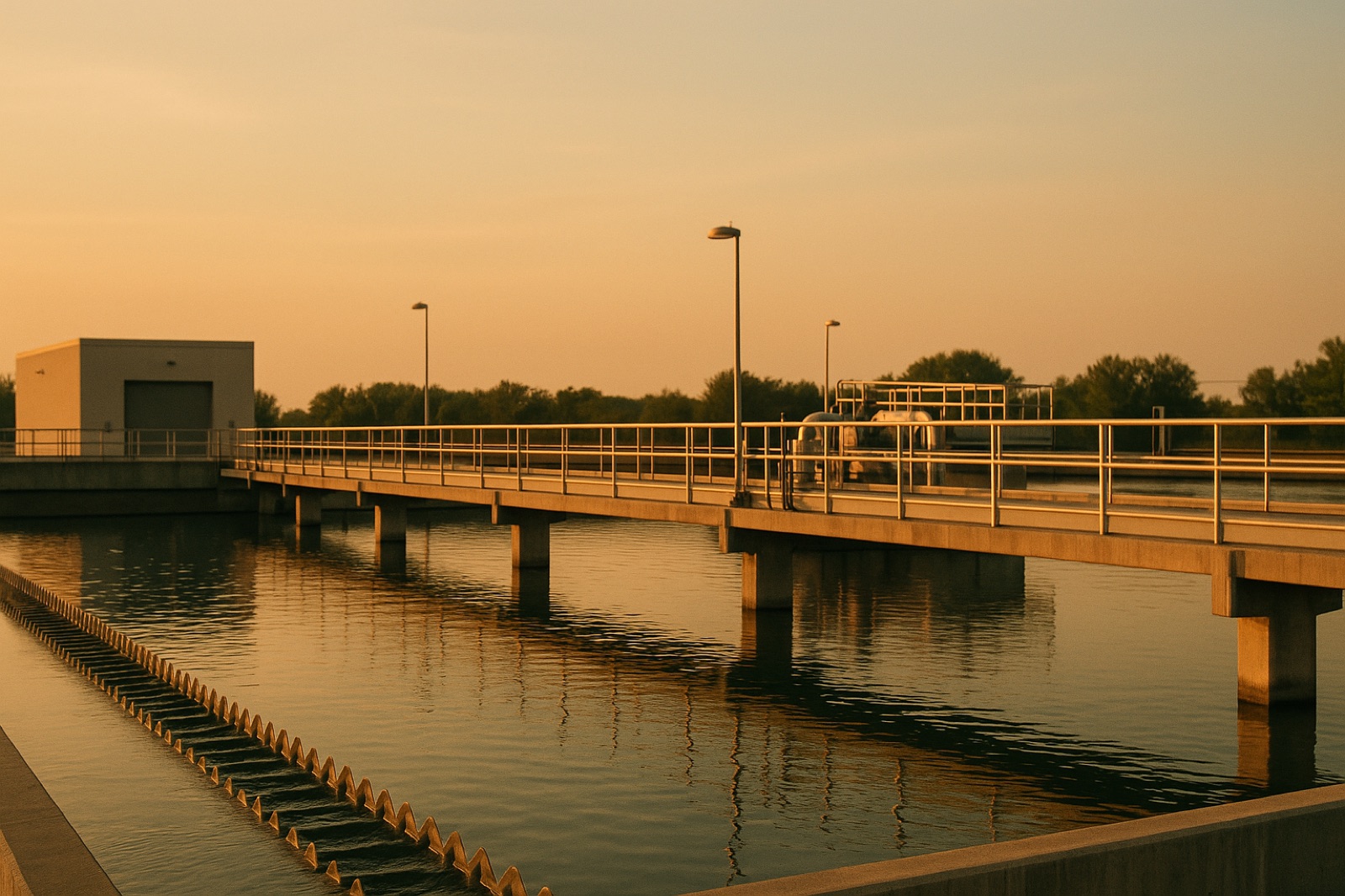
The Great Lakes, a precious resource for millions of people, face a persistent threat from invasive species, particularly invasive carp. These fish, known for their rapid reproduction and adaptability, have the potential to disrupt local ecosystems and degrade water quality.
The Current Situation
Recently, the Illinois Department of Natural Resources detected invasive carp in the Illinois River, only 80 miles from Lake Michigan. This alarming finding indicates that these fish are getting closer to the Great Lakes, with hundreds already reported in the area. As noted in a report by Circle of Blue, invasive carp have the potential to harm the delicate balance of species in these lakes.
Understanding the Threat
Invasive carp, particularly species like the bighead and silver carp, can consume large amounts of plankton, the foundational food source for many native fish. When these carp populate an area, they can outcompete native species for resources, leading to declines in biodiversity. This shift can disrupt aquatic food webs and diminish the fishing industry that many communities in the Midwest rely on.
The Response to Invasive Species
The growing presence of invasive carp in the Midwest has led to various strategies aimed at controlling their spread. State and federal agencies have employed methods such as electric barriers and targeted fishing to mitigate the threat. These efforts are crucial, as the introduction of invasive carp into the Great Lakes could lead to significant ecological and economic consequences.
The Role of Infrastructure
Infrastructure also plays a significant role in managing water quality and preventing the spread of invasive species. Effective stormwater management systems can help reduce runoff that may transport invasive species and pollutants into the lakes. Investments in modernizing these systems are essential for protecting water resources.
Community Involvement
Local communities can play a vital role in addressing this issue. Public awareness campaigns can educate residents about the importance of keeping invasive species out of local water bodies. Additionally, community groups can engage in monitoring efforts and report sightings of invasive species.
Conclusion
The threat of invasive carp to the Great Lakes is a pressing concern that requires immediate attention. As these fish get closer to Lake Michigan, it is crucial for everyone - government agencies, local communities, and individuals - to work together to protect this vital resource. Initiatives like improved water management infrastructure and community education can help ensure the health of the Great Lakes for generations to come. For homeowners concerned about water quality and the implications for local ecosystems, having appropriate coverage for home systems and appliances can provide peace of mind.