Missouri
Understanding the Infrastructure Needs of Missouri's Water Systems
Exploring the challenges and solutions for Missouri's aging water infrastructure.
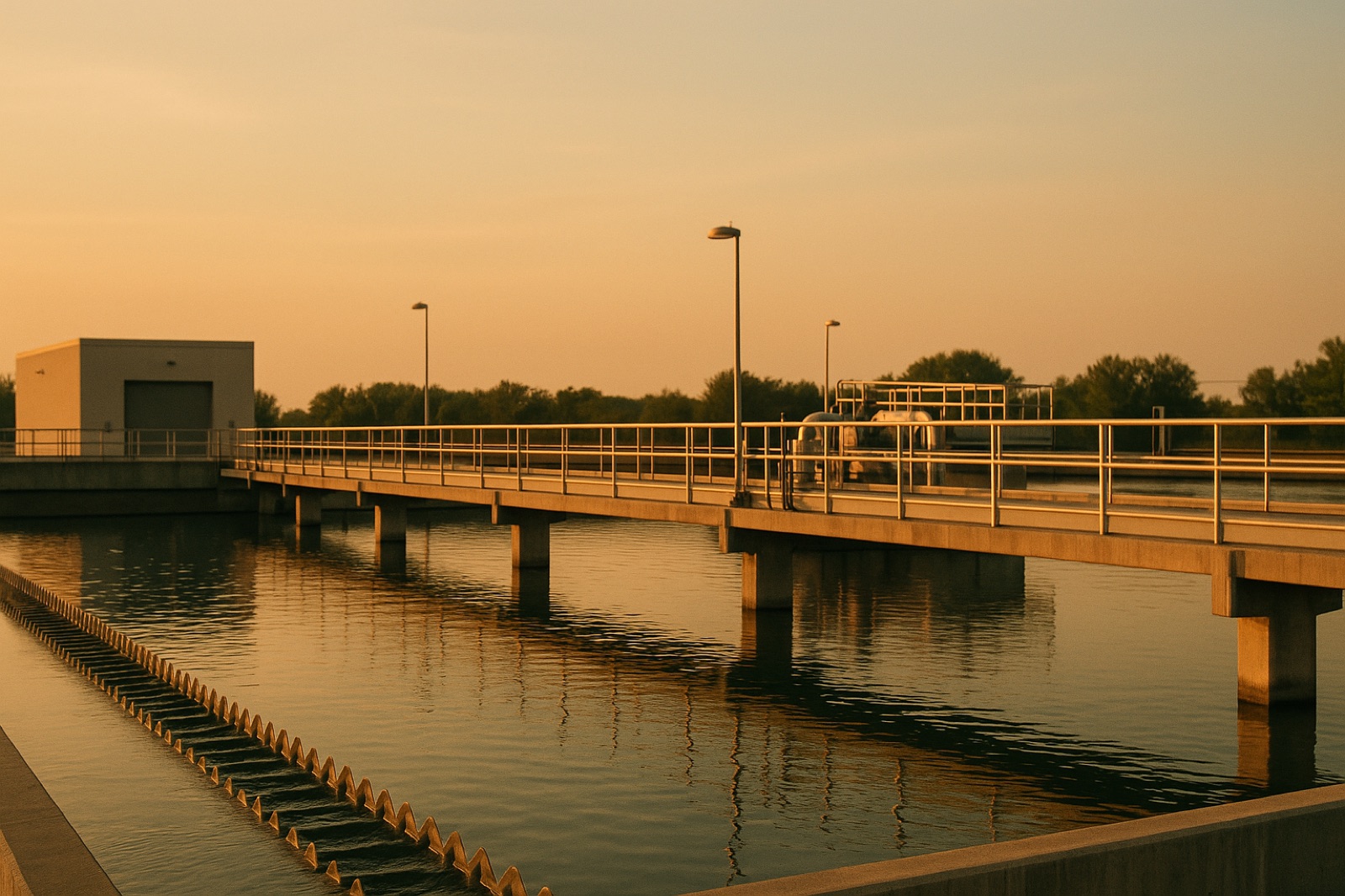
Missouri's water infrastructure faces significant challenges as many of its systems age and struggle to meet the demands of growing populations and changing climate conditions. As residents rely on these systems for their daily needs, understanding how they work and the infrastructure behind them becomes crucial for community engagement and informed decision-making.
The Backbone of Water Supply
The state's water supply systems encompass a complex array of pipes, treatment facilities, and storage tanks that deliver clean water to millions of households. Many of these structures were built decades ago and are now in need of repair or replacement. According to the American Society of Civil Engineers, many water systems across the United States receive low grades due to aging infrastructure that is often prone to leaks, breaks, and inefficiencies.
In Missouri, over 30% of water mains were installed before 1950, and while these systems have performed well over the years, they are increasingly at risk of failure. Leaky pipes can result in significant water loss, estimated to be enough to supply hundreds of households annually. This not only affects water availability but also leads to higher operational costs for water treatment facilities, which must work harder to meet demands.
Funding and Resources
The funding for maintaining and upgrading water infrastructure often comes from a mix of federal, state, and local sources. However, budget constraints can limit the extent to which municipalities can repair or replace aging systems. Federal programs such as the Clean Water State Revolving Fund and the Drinking Water State Revolving Fund provide some assistance, but these funds are frequently insufficient to address the scale of the problem.
Local water utilities are now exploring innovative financing options, such as public-private partnerships and grants, to help alleviate the financial burden of infrastructure upgrades. For example, a recent initiative in St. Louis aims to modernize water systems while also implementing green infrastructure solutions, such as rain gardens and permeable pavements, to manage stormwater more effectively.
Community Involvement and Education
Community involvement is essential in addressing the infrastructure needs of Missouri's water systems. Residents can play an active role in advocating for necessary upgrades and participating in local government meetings where water infrastructure is discussed. Educational programs that explain the importance of maintaining water systems can empower citizens to understand the implications of aging infrastructure on their daily lives.
Additionally, collaboration between municipalities can lead to more efficient solutions. Sharing resources and knowledge can help smaller communities tap into the funding and expertise that larger cities may already possess. This not only strengthens regional water systems but also fosters a sense of community responsibility towards safeguarding this vital resource.
Looking Ahead
As climate change continues to impact weather patterns, Missouri's water systems will need to adapt. Increased rainfall and flooding can overwhelm existing infrastructure, while drought conditions may strain supply. Investing in resilient infrastructure that can withstand these changes is not just a necessity but a critical priority for the future of public health and environmental sustainability.
In light of recent events, such as the ongoing court case regarding corporate actions related to environmental issues, the focus on accountability and transparency in water management becomes even more pressing. As reported by The Guardian, the implications of corporate influence on environmental policy are significant, and communities must remain vigilant about the intersection of corporate interests and public resources.
Ultimately, addressing Missouri's water infrastructure challenges will require a concerted effort from all stakeholders involved - government agencies, water utilities, and residents alike. By working together and prioritizing proactive solutions, Missouri can ensure a sustainable and reliable water supply for generations to come.