Infrastructure
Infrastructure Challenges in Midwest Water Systems: Insights and Solutions
Exploring the infrastructure challenges faced by Midwest water systems and potential solutions to improve resilience and reliability.
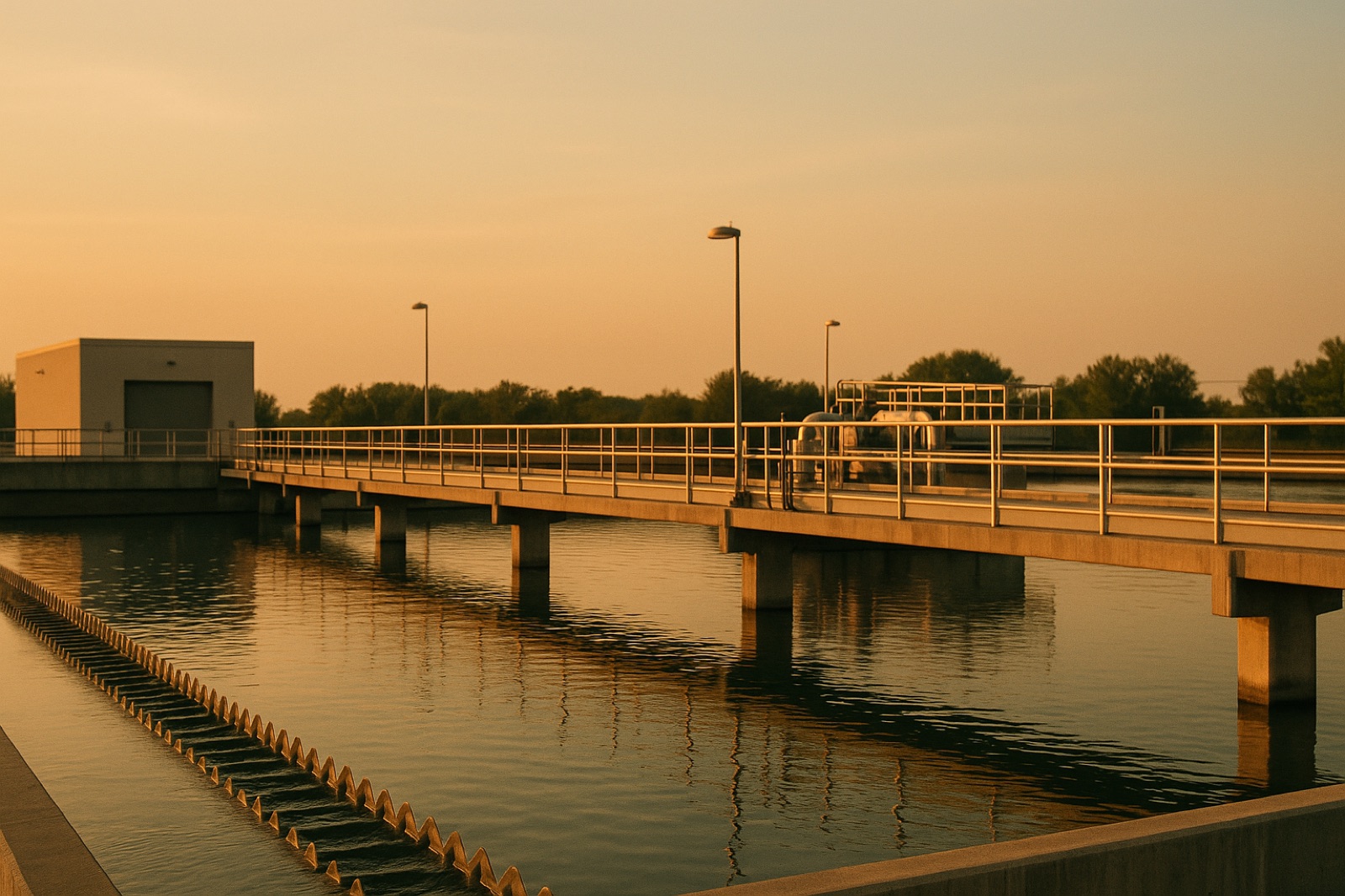
The Midwest is often characterized by its abundant freshwater resources, but it is also home to aging water infrastructure that poses significant challenges for communities. As municipalities grapple with the pressures of population growth, climate change, and financial constraints, understanding the state of these systems and exploring potential solutions becomes critical.
Understanding the Aging Infrastructure
Much of the water infrastructure in the Midwest was built over a century ago. Pipes, treatment facilities, and storage systems were designed to accommodate smaller populations and different usage patterns. Now, as urban areas expand and rural communities face new demands, these systems are showing signs of strain. According to the American Society of Civil Engineers, more than 50,000 water main breaks occur each year across the nation, with many of these in the Midwest.
These breaks not only disrupt service but can also lead to water quality issues, making effective management and timely repairs essential. For instance, in areas where infrastructure is particularly vulnerable, prolonged water outages can occur, significantly affecting daily life. The recent challenges faced by residents in Puerto Rico, where water shortages were described as “as if a hurricane had passed,” highlight the severity of infrastructure failures and their broader implications on community well-being (The Guardian).
The Impact of Climate and Urbanization
In addition to aging infrastructure, climate change and urbanization are further complicating the management of water systems. Increased precipitation and flooding can overwhelm existing systems not designed for such extreme conditions. The effects of heat events, which have been discussed in various contexts, can also disrupt the functionality of water delivery systems. For example, heat domes have been known to cause equipment malfunctions, leading to service interruptions in communities across the Midwest (The Guardian).
Urban areas, with their higher impervious surfaces, exacerbate these challenges by increasing runoff and decreasing groundwater recharge. As cities grow, the demand for reliable water supply escalates, often outpacing the capacity of existing infrastructure to meet these needs.
Potential Solutions and Innovations
To address these challenges, several strategies can be employed. First and foremost, investing in the rehabilitation and replacement of aging pipes is essential. A proactive approach to maintenance can help identify weaknesses before they lead to catastrophic failures. Additionally, integrating smart water technologies can facilitate better monitoring and management of water systems, allowing for real-time data collection and analysis.
Communities can also benefit from enhanced collaboration and regional partnerships. By pooling resources and sharing knowledge, municipalities can tackle larger projects that may be beyond their individual capacities. Furthermore, leveraging federal and state funding opportunities can significantly aid in financing these crucial infrastructure improvements.
Looking Ahead
The challenges facing Midwest water systems are multifaceted, requiring a balanced approach that considers both immediate needs and long-term sustainability. As highlighted by the ongoing issues related to water management in Indiana, where the AI boom is prolonging the fossil fuel era with hidden costs for water, there is an urgent need to rethink how water is sourced and used in the region (Circle of Blue). This includes advocating for policies that prioritize water conservation and investment in renewable energy sources.
Ultimately, the resilience of the Midwest's water systems hinges on recognizing the interconnectedness of infrastructure, climate change, and community needs. By fostering a culture of innovation and investment, the region can ensure a sustainable water future for all its residents.