Wells & Rural
Understanding Indiana's Water Challenges Amidst the Fossil Fuel Era
A look into how the AI boom is affecting water resources in Indiana.
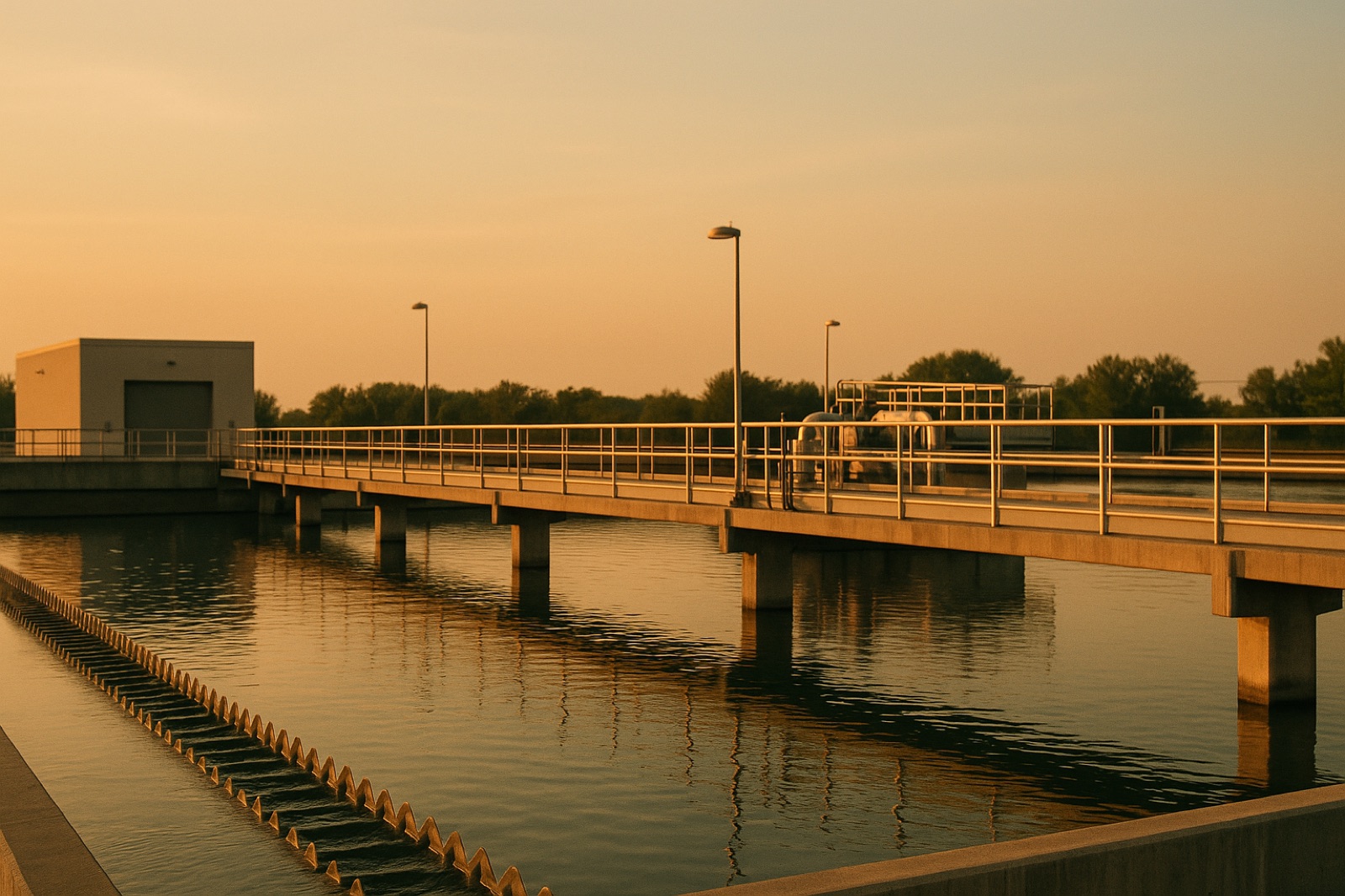
As Indiana continues to grapple with its reliance on fossil fuels, the implications for the state's water resources are becoming increasingly evident. The push towards artificial intelligence and other technological advancements, while economically beneficial, is inadvertently extending the lifespan of coal and natural gas sources, which come with significant environmental costs.
The state of Indiana has a complicated relationship with fossil fuels. Many communities have been built around coal plants, creating a deep-rooted dependence on these energy sources. This is particularly true in rural areas, where jobs and local economies have historically been tied to coal production. However, as Circle of Blue outlines, the transition to AI and other technologies is prolonging the life of these plants, leading to hidden costs for water resources.
The Water Footprint of Energy Production
Energy production, especially from fossil fuels, demands significant water resources. Water is needed for cooling processes, steam generation, and even for mineral extraction in coal mining. In Indiana, where rivers and groundwater sources are already under pressure, the additional demand from coal and gas facilities exacerbates the competition for water resources among residential, agricultural, and industrial users.
Moreover, the environmental impact of fossil fuel extraction and combustion can lead to water quality issues. Pollutants from mining operations and emissions from power plants can leach into local waterways, affecting both drinking water supplies and aquatic ecosystems. These challenges raise concerns for communities that rely directly on these water sources.
Emerging Technologies and Their Impact
The AI boom presents a paradox for Indiana. On one hand, it promises economic growth and job creation; on the other, it risks entrenching the state’s fossil fuel dependency at a time when many are calling for a transition to cleaner energy. Industries may find it easier and more cost-effective to continue leveraging existing fossil fuel infrastructure rather than investing in renewable energy technologies that could offer sustainable solutions.
As these dynamics unfold, the question of water management becomes crucial. How can Indiana balance its economic ambitions with the need to protect its water resources? Local governments, businesses, and residents will need to engage in meaningful discussions about sustainable practices and policies that can minimize the water footprint of energy production.
Community Actions and Future Directions
Addressing these challenges is not simply a matter of technological advancement, but rather a collective responsibility. Communities are increasingly seeking to hold businesses accountable for their water use and environmental impact. This includes advocating for stricter regulations on water pollution and promoting transparency in how water resources are managed.
Furthermore, there is a growing recognition that sustainable agriculture and water conservation practices can help mitigate some of the water scarcity issues linked to fossil fuel dependencies. By adopting practices that promote water efficiency and protect water quality, communities can build resilience against the pressures of energy production.
As Indiana navigates its complex relationship with energy and water, the lessons learned from the AI boom should serve as a rallying point for policymakers and community leaders. A comprehensive approach that considers both the economic benefits and environmental costs will be essential to ensure a sustainable future for Indiana's water resources.
Ultimately, understanding the interconnectedness of technology, energy, and water is key to navigating the challenges ahead. The decisions made today will have lasting impacts on the health of the state's water systems and the communities that depend on them.