Illinois
Understanding Water Systems: The Impact of Indiana's Energy Transition on Local Resources
A look at how the AI boom in Indiana may affect water resources as the state shifts away from coal.
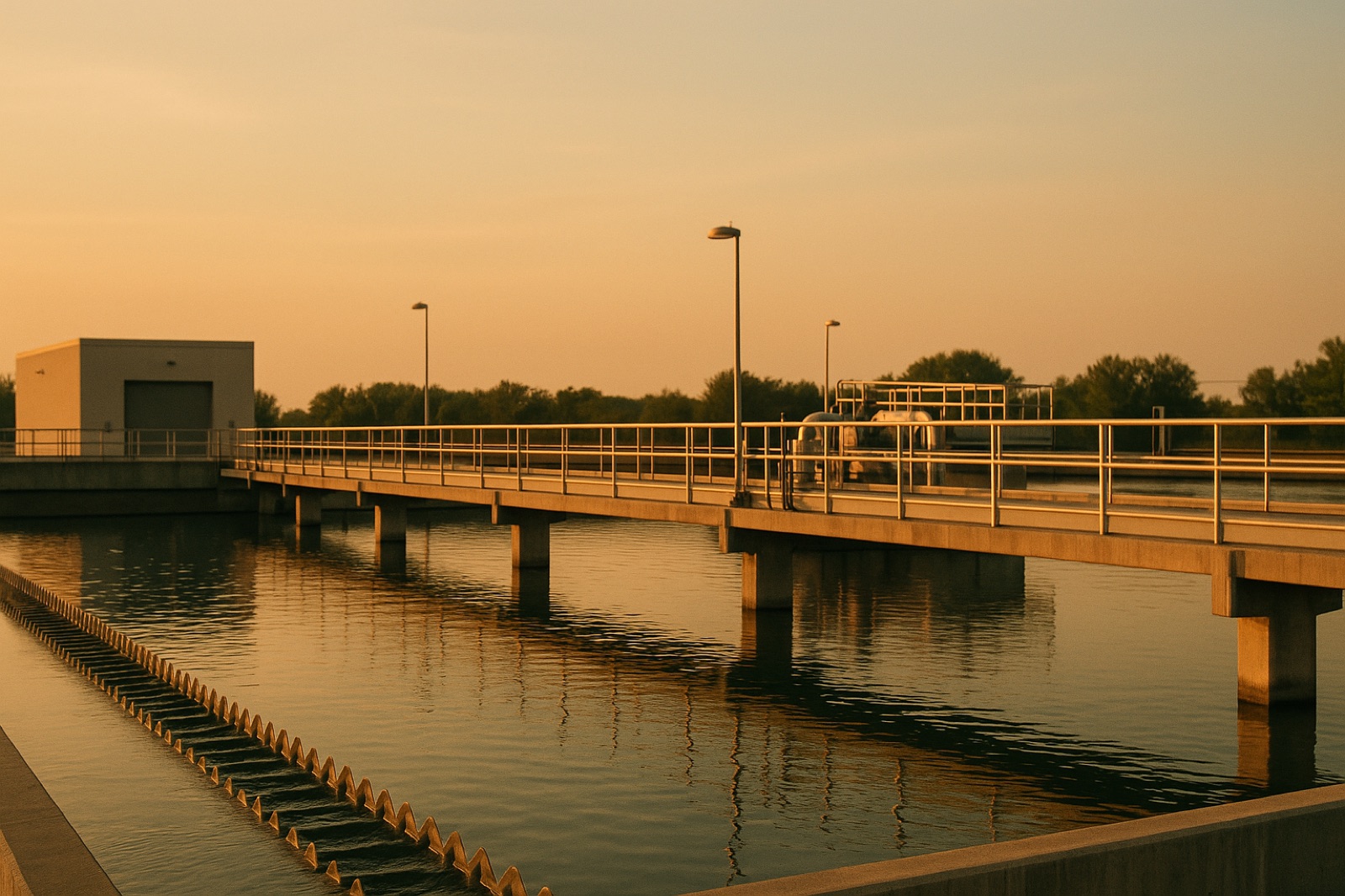
In recent years, Indiana has been navigating a complex energy transition as it shifts from coal dependency toward more sustainable energy sources. This transition is not without its challenges, particularly concerning water resources. With the rise of artificial intelligence (AI) and its associated energy demands, the state's water systems face potential strain.
The irony is that while the AI boom is seen as a step toward modernization, it perpetuates the reliance on fossil fuels. In a recent article from Circle of Blue, it was highlighted that this reliance has "hidden costs for water." As Indiana increases its energy consumption to power AI technologies, the existing coal plants, which have historically caused environmental issues, may continue to operate longer than anticipated.
Water-Dependent Energy Production
Understanding how water systems interact with energy production is essential. Power plants, especially those fueled by coal, consume significant amounts of water for cooling and operations. This process can lead to water shortages, especially in rural areas where water resources are already limited. Furthermore, the increased competition for water can exacerbate tensions between agricultural needs and energy production.
In regions where coal plants dominate, community members are likely to feel the impact of continued fossil fuel use. Rural communities, which often rely on groundwater for agriculture and daily living, may find their resources depleted as energy demands rise.
Local Water Management Practices
Effective water management practices can mitigate some of these challenges. Local utilities and governments need to adopt integrated water resource management strategies that consider both current and future demands. This includes promoting water conservation, investing in infrastructure improvements, and exploring alternative energy sources that require less water.
Partnerships between local entities can also be beneficial. For instance, regional treatment companies that test private wells can provide crucial data on water quality and availability. This information is vital for prioritizing resource allocations and can guide policies that protect local water supplies.
Broader Context of Water Resources
As Indiana contemplates its energy future, it is important to view the situation through the lens of broader regional water challenges. The Midwest is home to an intricate web of water systems that are often interconnected. Issues like drought, pollution, and over-extraction of water can have ripple effects across state lines, impacting neighboring communities.
Moreover, the push for energy diversification is not unique to Indiana. As seen in discussions regarding the Colorado River, local managers are increasingly recognizing the importance of cooperation in managing shared resources. In this context, Indiana can learn from neighboring states that have successfully implemented collaborative approaches to water management.
Looking Ahead
As the AI boom continues to shape Indiana's energy landscape, the implications for water systems must remain a priority. Policymakers need to engage with stakeholders across the sector to ensure that the transition away from coal does not compromise the region's critical water resources. Investing in technologies that enhance water efficiency and create sustainable energy alternatives will be crucial for balancing the needs of the community with the demands of a changing energy ecosystem.
By fostering partnerships and prioritizing sustainable practices, Indiana can navigate its energy transition without sacrificing its vital water resources. In doing so, the state can set a precedent for responsible stewardship of both energy and water in the Midwest.