Indiana
The Ripple Effect of Indiana's AI Boom on Water Resources
Indiana's growing tech sector raises concerns about its impact on critical water systems.
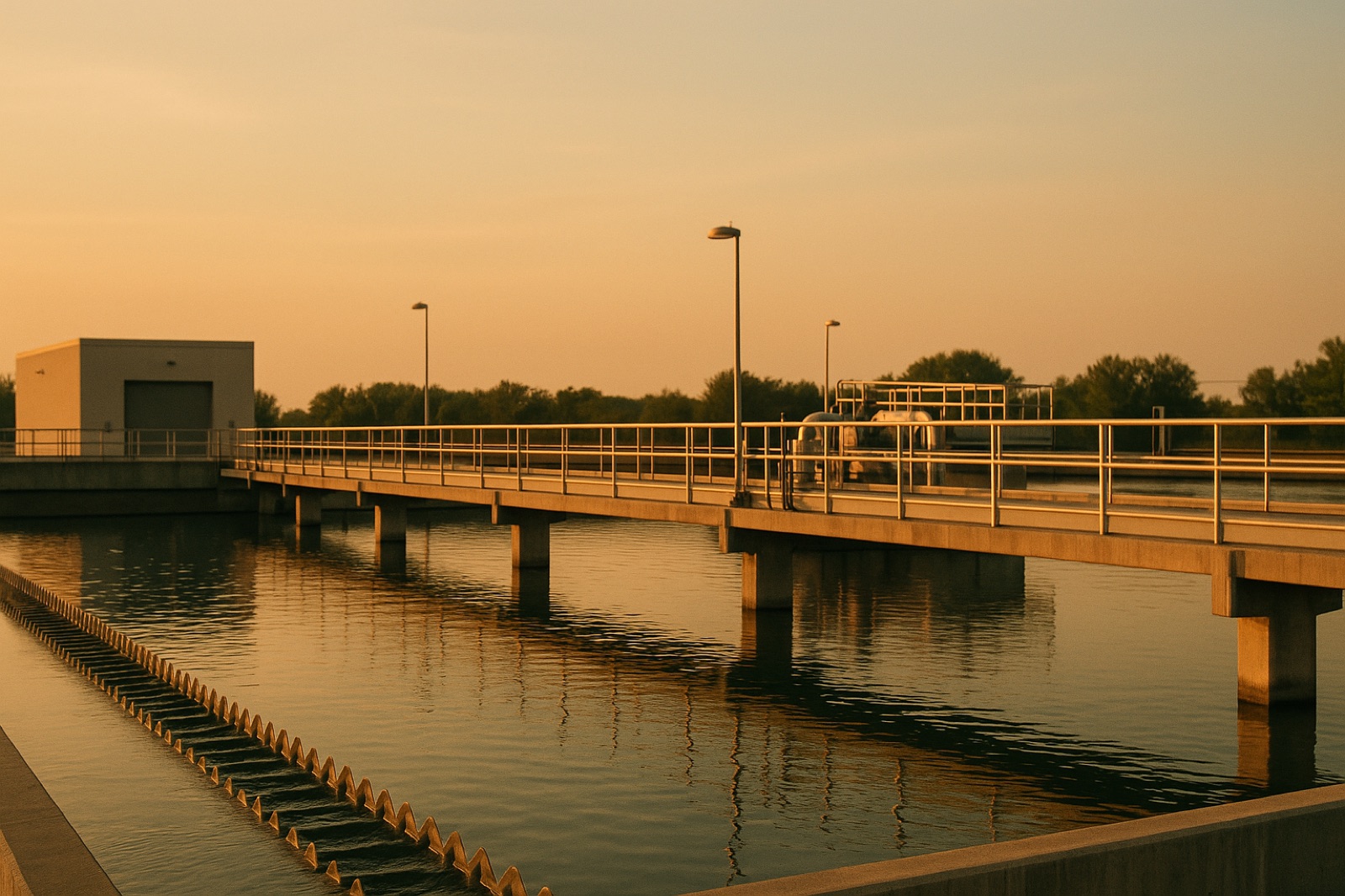
As Indiana embraces a new technology-driven future, the implications for its water resources are becoming increasingly evident. The boom in artificial intelligence has brought opportunities for economic growth, but it also raises questions about the long-term sustainability of the state's water systems. The connection between energy consumption, water usage, and environmental impact cannot be overlooked, particularly as Indiana continues to rely on fossil fuels to power its burgeoning tech industry.
Understanding the Water-Energy Nexus
Water and energy are intricately linked. Energy production, especially from fossil fuels, often requires significant amounts of water for cooling and processing. In Indiana, the reliance on coal and natural gas contributes to the state’s energy landscape, but it also places stress on local water resources. As highlighted in a recent article from Circle of Blue, this dynamic is becoming more complex as the demand for energy surges. It is essential for residents to understand how the expansion of AI technology could inadvertently prolong the reliance on these water-intensive energy sources.
The Hidden Costs of Growth
While the economic benefits of the AI industry are clear, the environmental costs associated with increased energy and water consumption are less frequently discussed. As new data centers and tech companies set up operations, they require substantial energy input, often sourced from local fossil fuel plants. This demand can lead to increased water withdrawals from rivers, lakes, and aquifers, which are already experiencing stress from existing agricultural and industrial uses.
Residents who may not connect the dots between technology growth and water availability might be surprised to learn that the water supply is not unlimited. As more water is allocated to energy production, less is available for other crucial needs, such as agriculture and drinking water. The need for a balanced approach toward energy production and water usage is critical for the sustainability of both resources.
Taking Action: Policies for Sustainable Management
To mitigate the impact of this dual demand, Indiana policymakers need to prioritize sustainable management practices. This could involve investing in renewable energy sources that require less water, such as solar or wind, which could alleviate some pressure off local water supplies. Additionally, enhancing the efficiency of existing water systems and encouraging conservation practices among residents can help stretch limited resources further.
Moreover, communities must engage in comprehensive planning that considers the interconnectedness of energy and water management. By adopting integrated resource planning, Indiana can ensure that the growth of its tech industry does not come at the expense of its vital water resources.
The Bigger Picture
As the Midwest continues to evolve amidst technological advancements, the lessons drawn from Indiana's experience can serve as a cautionary tale for other states in the region. Water systems must remain resilient and adaptable to the changing landscape. The potential for economic growth should not overshadow the fundamental necessity of safeguarding water resources for future generations.
As noted in the article from Circle of Blue, the AI boom presents “hidden costs for water,” which may ultimately define the quality of life for many Hoosiers. It is essential for citizens and leaders alike to engage in dialogue about these challenges and work collaboratively toward sustainable solutions that will benefit both the economy and the environment.