Infrastructure
Improving Water Infrastructure in Jackson: A Path Forward
Exploring how advanced metering infrastructure can restore trust and efficiency in Jackson's water system.
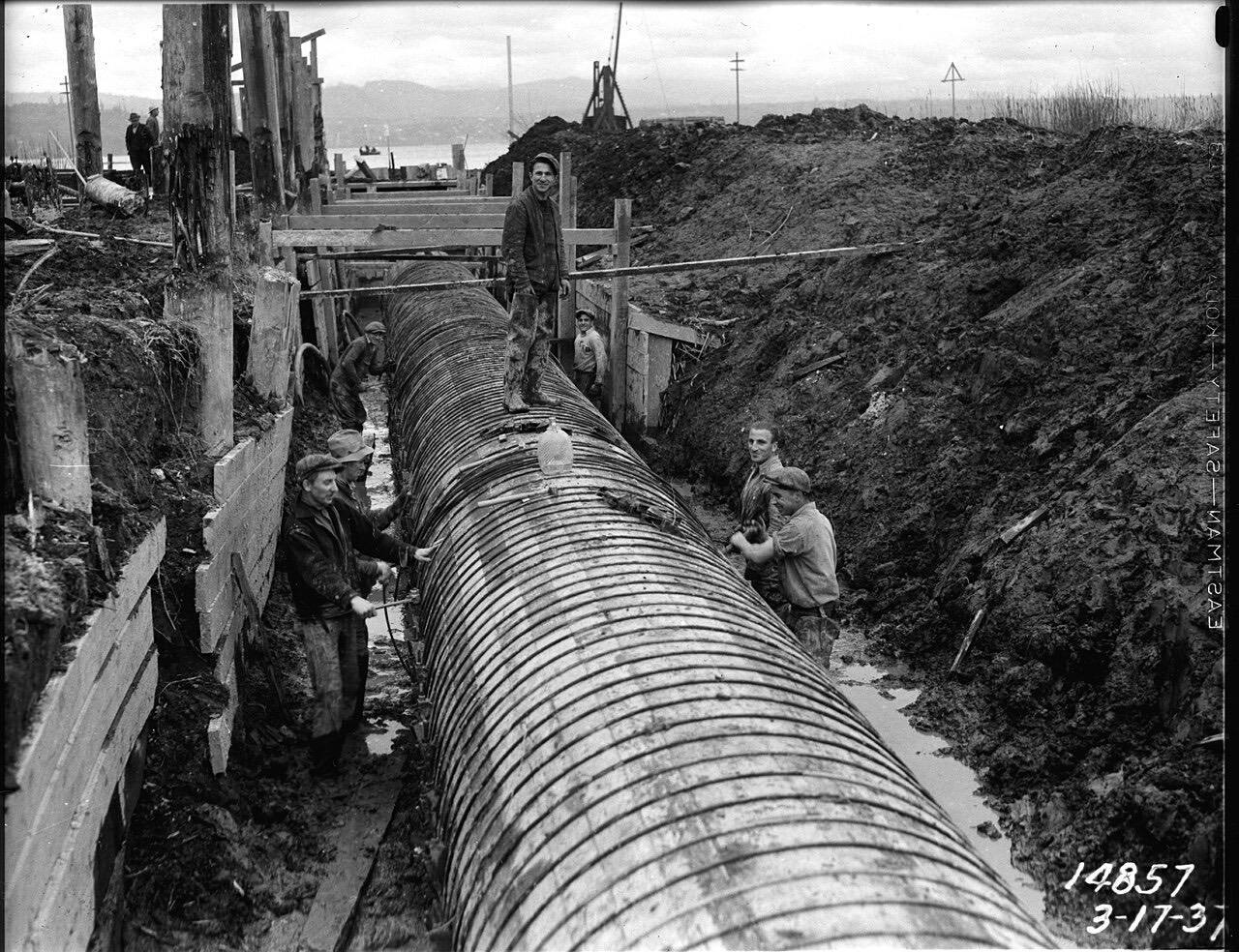
In the heart of Mississippi, Jackson has faced significant challenges with its water infrastructure, leading to widespread public concern and the need for a transformative approach. The city’s water system has struggled with issues such as outdated pipes, leaks, and inadequate treatment facilities, creating a pressing requirement for upgrade and maintenance. Recently, attention has turned to advanced metering infrastructure (AMI) as a promising solution.
AMI consists of a network of digital technology that enables water utilities to collect data remotely, improving the accuracy of water usage monitoring and billing. This technology not only streamlines operations for water systems but can also enhance customer engagement and trust. By providing real-time data, utilities can identify leaks faster and manage resources more efficiently, which is particularly crucial for cities like Jackson, where non-revenue water is a significant concern.
The Current State of Jackson's Water System
The challenges facing Jackson's water system are emblematic of broader issues within urban water infrastructure. Aging pipes lead to substantial water loss, which results in financial strain on the utility as well as compromised service delivery to residents. According to a report from Water Finance and Management, the AMI project is being considered as a critical step in reversing this trend of non-revenue water and restoring public trust.
As cities across the Midwest grapple with similar issues, the experience in Jackson highlights the need for technological investments that can modernize aging systems. The integration of AMI presents an opportunity to not only reduce water loss but also enhance customer service by providing users with real-time insights into their consumption patterns and potential leaks.
The Benefits of Advanced Metering Infrastructure
Implementing AMI can yield several benefits beyond just improving the immediate efficiency of water systems. The technology supports better planning and investment in infrastructure by providing utilities with clear data on usage trends and service demands. This data-driven approach allows for more strategic allocation of resources and can ultimately lead to cost savings for both the utility and its customers.
Furthermore, by increasing transparency and improving communication, AMI fosters a greater sense of trust between the utility and the community it serves. Residents who can access their consumption data and understand their billing are more likely to feel empowered and engaged with their local water system.
Moving Forward
As Jackson works to implement advanced metering infrastructure, it serves as a case study for other Midwest cities facing similar water management issues. The transition to AMI may not solve all the challenges overnight, but it represents a step towards a more efficient, reliable, and trusted water system. Investments in technology and infrastructure must be coupled with community education and engagement to ensure that residents are not only informed but also active participants in the stewardship of their water resources.
In conclusion, the journey to improving Jackson's water systems reflects a broader need across the Midwest. As communities confront the realities of aging infrastructure and the critical need for modernization, solutions like advanced metering can provide a pathway toward sustainable and effective water management.