Infrastructure
The Importance of Resilient Water Infrastructure in the Midwest
Exploring the need for robust water systems to withstand challenges in the region.
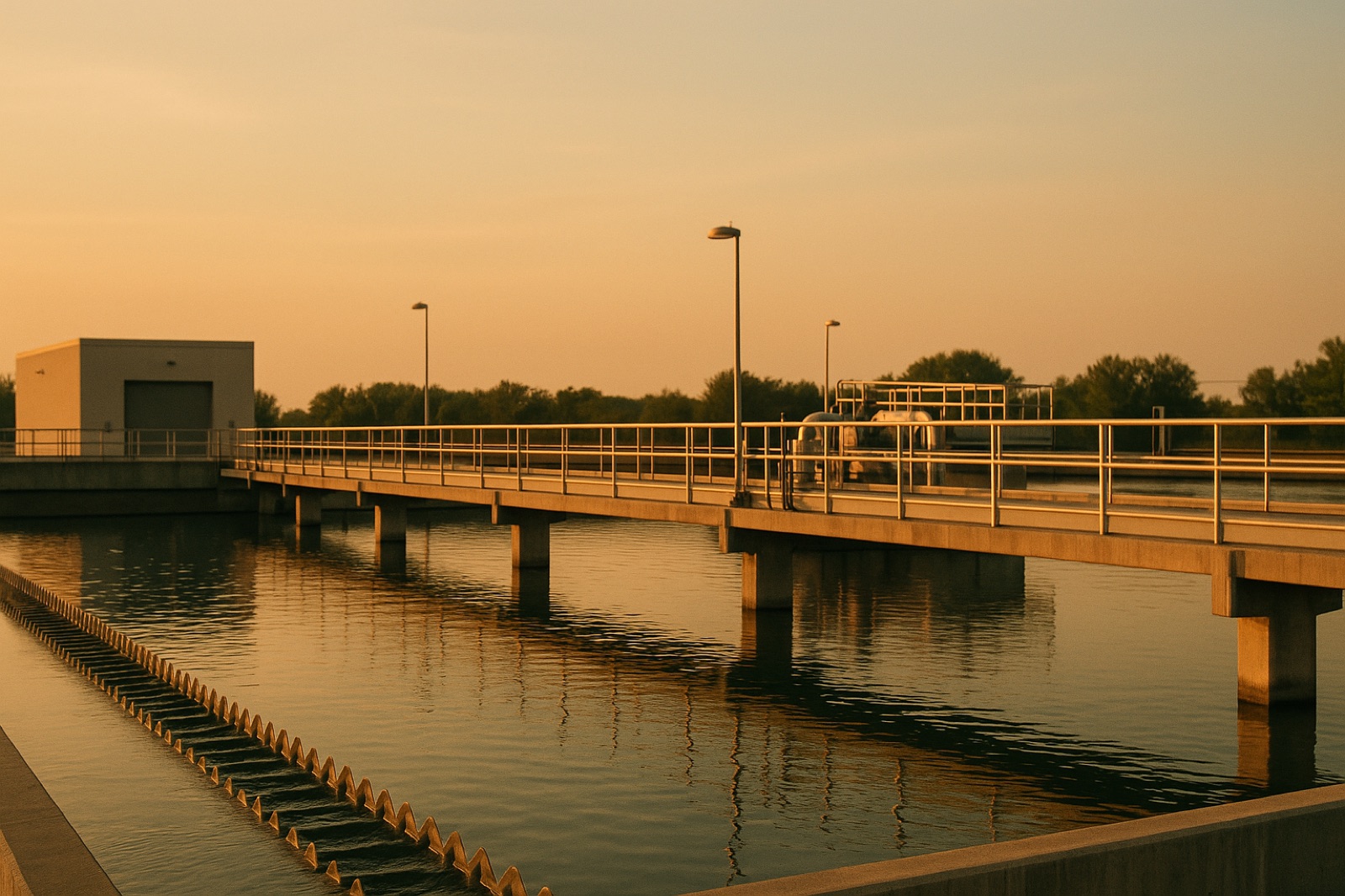
As climate change intensifies weather events and population pressures strain resources, the resilience of water infrastructure in the Midwest has become a pressing concern. In recent years, aging systems have faced challenges ranging from severe storms to routine maintenance issues, underscoring the necessity for investment and innovation.
The Current State of Water Infrastructure
Many Midwest cities are grappling with aging water systems that were built decades ago. The American Society of Civil Engineers (ASCE) has consistently rated the nation’s water infrastructure poorly, highlighting the need for upgrades and replacements. A significant portion of the Midwest's water infrastructure falls into this category, leading to widespread inefficiencies and vulnerabilities.
For instance, cities like Detroit and Chicago have faced issues with lead pipes and leaking systems, which can compromise water quality and increase operational costs. In urban areas, where populations are dense and the demand for clean water is high, the consequences of a failing infrastructure can be particularly severe.
Learning from Recent Events
Recent water crises elsewhere in the United States, such as the troubling situation in Puerto Rico, where residents experienced severe shortages due to pipeline ruptures, serve as cautionary tales. These challenges were encapsulated in a report that described how shortages triggered by infrastructural failures can provoke widespread frustration and financial strain on both individuals and businesses (The Guardian). While the context in Puerto Rico is distinct, it highlights a universal truth: reliable water supply systems are foundational to community resilience.
Addressing Infrastructure Challenges
In response to these growing concerns, many Midwest municipalities are now prioritizing infrastructure improvements. Some are looking into modern technology for monitoring and managing water systems more effectively. For instance, the implementation of smart water meters and leak detection systems can help cities manage resources more efficiently while reducing water loss. Such measures not only enhance efficiency but also improve response times during emergencies.
Moreover, communities are increasingly investing in green infrastructure - such as rain gardens and permeable pavements - that can absorb stormwater and reduce runoff. These approaches can mitigate flooding while enhancing the overall health of local ecosystems.
The Role of Local Expertise
As regional treatment companies that test private wells become more prominent in providing essential services, local knowledge is invaluable. Understanding the specific water needs of communities helps tailor solutions that are both effective and sustainable. Furthermore, engaging residents in water conservation practices can foster a culture of stewardship, ensuring that communities collectively work towards preserving their water resources.
A Path Forward
The road to a resilient water infrastructure in the Midwest is undoubtedly complex, involving significant planning, investment, and community engagement. However, as the region faces growing pressures from climate change and urbanization, the importance of prioritizing water infrastructure cannot be overstated.
Ultimately, the lessons learned from crises in other regions - like Puerto Rico - can guide the Midwest in shaping a more sustainable and resilient future for its water systems. Through continued investment and innovation, the Midwest can ensure that its water supply remains reliable and safe for all.