Illinois
The Importance of Infrastructure Investment for Water Systems in Illinois
Investing in infrastructure is crucial for maintaining reliable water systems in Illinois as climate change intensifies water-related challenges.
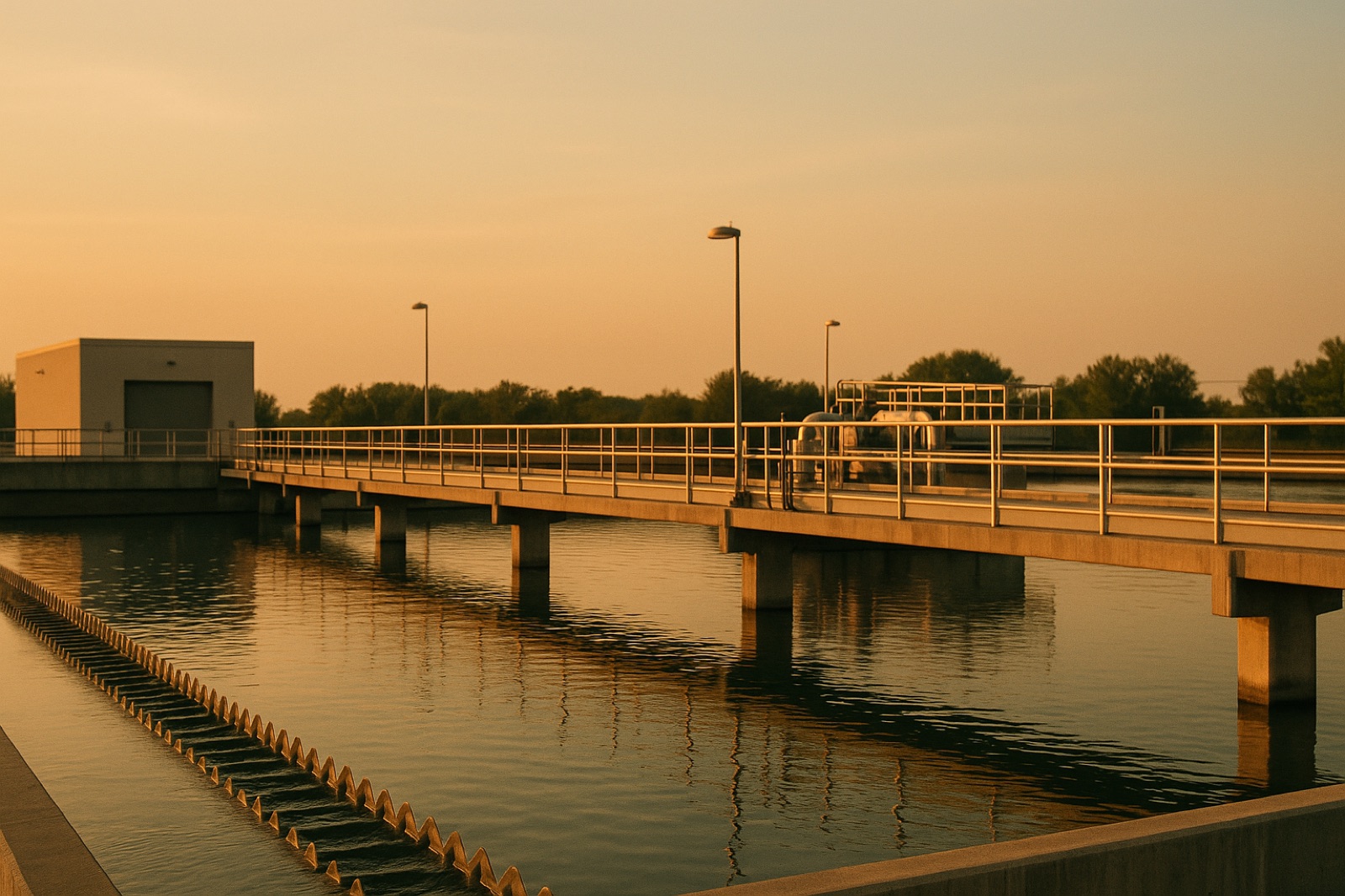
In Illinois, as across the Midwest, the reliability of water systems is becoming increasingly critical. Aging infrastructure, coupled with the growing impacts of climate change, places tremendous pressure on municipal water systems. To ensure safe, clean water for residents, substantial investments in infrastructure are essential.
The Landscape of Water Infrastructure in Illinois
Illinois boasts a complex network of water systems, including large municipal supplies, smaller rural systems, and private wells. Many of these systems rely on infrastructure that is decades old, often leading to issues such as leaks, contamination, and inefficiencies. According to the American Society of Civil Engineers, Illinois water infrastructure is in need of significant upgrades. The average age of pipes in many cities exceeds 50 years, leading to concerns about water quality and reliability.
Funding Opportunities and Challenges
In recent years, various funding opportunities have emerged to help address these challenges. The Infrastructure Investment and Jobs Act, enacted in 2021, allocated billions of dollars to improve water infrastructure across the United States, including Illinois. These funds can support projects aimed at replacing old pipes, upgrading treatment facilities, and improving stormwater management systems.
However, accessing these funds can be complicated. Local governments often face bureaucratic hurdles, and the process can be time-consuming. Moreover, many smaller municipalities struggle to match federal funding requirements due to limited budgets. This presents a significant challenge for rural areas in particular, where the need for reliable water systems is as urgent as in urban centers.
The Impact of Climate Change
As climate change increasingly affects weather patterns, the need for resilient water infrastructure becomes even more apparent. Illinois has already experienced more intense rainfall, leading to flooding and overwhelming water treatment systems. Conversely, extended droughts can strain water supplies, making the need for sustainable management practices vital. Investing in infrastructure not only addresses immediate concerns but also prepares systems for future challenges.
For example, a recent article from Circle of Blue highlights how saltwater intrusion, a consequence of climate change, is affecting agricultural areas around the world “In Gambia, Salt Water Intrusion Is the Leading Edge of Climate Change”. While this specific issue may not directly affect Illinois, it serves as a reminder of the far-reaching impacts of climate change on water resources. Illinois must invest in infrastructure to protect against the unpredictable impacts of climate change on its water supply.
Community Involvement and Education
To effectively address the challenges posed by aging infrastructure and climate change, community involvement is crucial. Public awareness and engagement can drive support for local initiatives aimed at improving water systems. Education about water conservation practices and the importance of infrastructure investment can empower residents to take action. Local governments can foster this involvement by hosting informational sessions and encouraging public dialogue about water management strategies.
Moving Forward
As Illinois continues to grapple with the implications of climate change and aging water infrastructure, the path forward hinges on strategic investment and community engagement. By prioritizing infrastructure improvements and fostering public participation, Illinois can build a more resilient water system capable of meeting the needs of its residents both now and into the future.
In conclusion, the importance of investing in water infrastructure cannot be overstated. As climate-related challenges intensify, Illinois must equip its water systems to withstand these pressures. Through collaboration, education, and strategic funding, the state can safeguard its water resources for generations to come.