Infrastructure
Understanding the Impact of Rising Temperatures on Water Systems in the Midwest
Exploring how higher temperatures influence water quality and supply in the Midwest region.
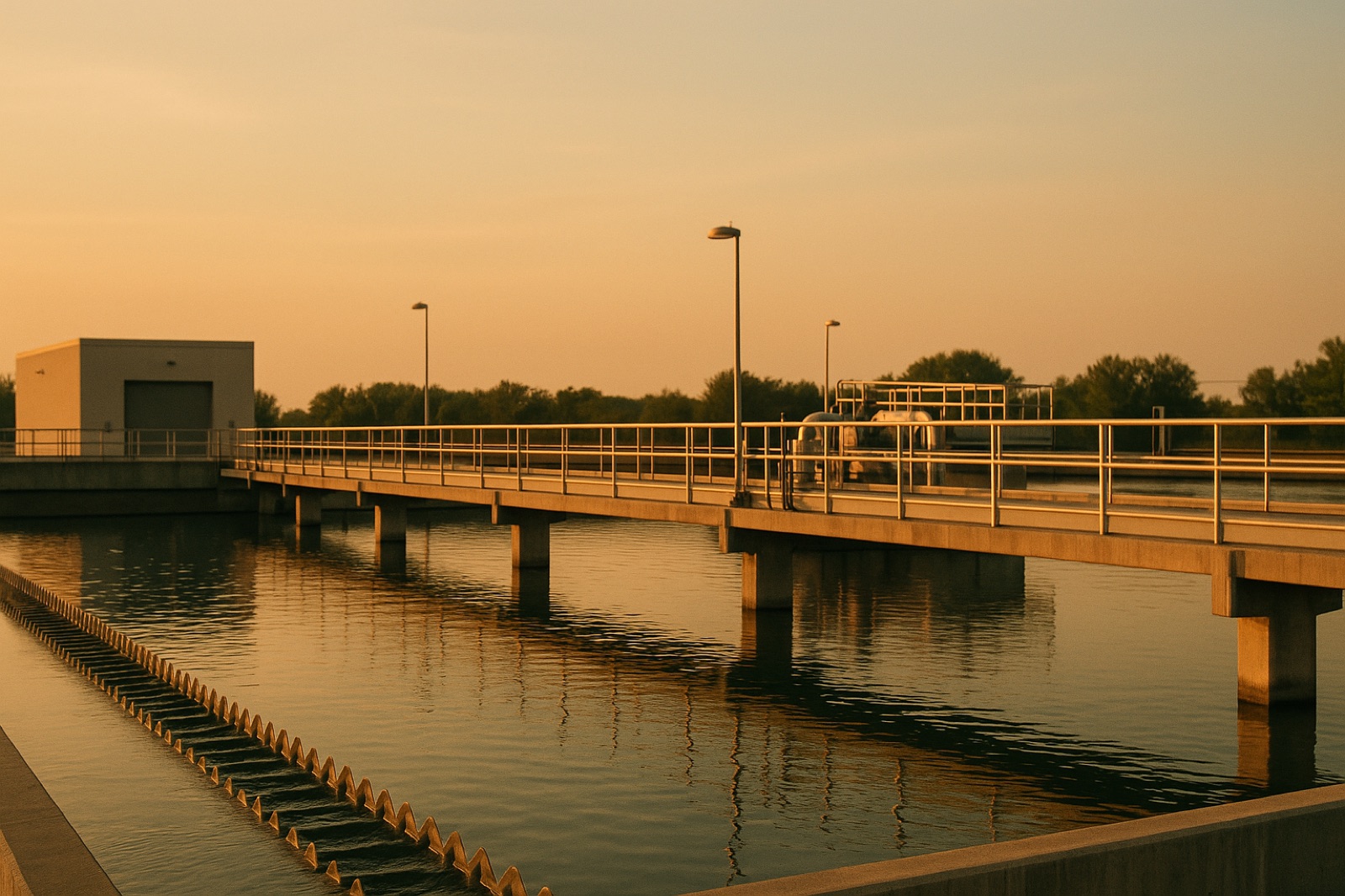
The Midwest is experiencing a notable rise in temperatures, with recent reports indicating that heat waves are becoming more frequent and intense. This climatic shift poses challenges not only for residents but also for the water systems that serve them. As we delve into the implications of these rising temperatures, it is important to understand how they can affect water quality, supply, and infrastructure.
The Science Behind Heat and Water Systems
Higher temperatures can significantly impact the way water systems operate. Elevated air temperatures can lead to increased evaporation rates, which can reduce surface water levels in rivers and lakes. This is particularly critical during the summer months when demand for water tends to peak. For instance, water bodies like the Great Lakes, which are vital for both drinking water and recreation, could see lower water levels, affecting both water supply and ecosystems.
Moreover, warm water temperatures can exacerbate issues related to water quality. Algal blooms, which can produce harmful toxins, thrive in warmer conditions. In the Midwest, where many communities rely on surface water for their supplies, the risk associated with these blooms increases. Reports have highlighted that “heat domes” are causing unpredicted shifts in local weather patterns, potentially leading to more frequent and severe algal blooms that can taint drinking water sources.
Infrastructure Strain
As temperatures rise, the infrastructure that delivers water is also at risk. Many pipes, particularly those made from older materials, can be affected by extreme temperatures. For example, heat can cause materials to expand and contract, potentially leading to leaks and breaks in the system. Municipalities may find themselves facing increased maintenance costs as they work to repair aging infrastructure that wasn’t designed to cope with the stress of a warming climate.
Additionally, extreme weather events, which are on the rise due to climate change, can strain water systems. Heavy rainfall can lead to flooding, overwhelming local treatment plants that may not have the capacity to handle large volumes of water. During such events, untreated water can overflow into local waterways, further compromising water quality. This cycle of strain on infrastructure and the resulting water quality issues highlight the need for modern upgrades to meet contemporary challenges.
A Regional Focus: The Great Lakes
The Great Lakes region is particularly emblematic of how rising temperatures can influence water systems. As the largest group of freshwater lakes in the world, the Great Lakes serve as a crucial water supply for millions of people across the Midwest. However, these lakes are not immune to temperature increases. Changes in water temperature can affect aquatic life, lead to shifts in fish populations, and alter the overall health of the ecosystem.
Moreover, communities surrounding the Great Lakes have raised concerns about the long-term viability of their water sources. As highlighted in reports, the interplay between heat waves and water quality is a growing concern, prompting local governments to consider strategies for adapting their water management practices. This includes investing in better water treatment technologies and improving monitoring efforts to proactively address quality issues before they escalate.
Looking Ahead
Addressing the challenges posed by rising temperatures requires a multifaceted approach. Local governments and water authorities can take steps to improve infrastructure, enhance monitoring systems, and develop more resilient water management strategies. Moreover, community engagement is crucial. Educating residents about water conservation and promoting sustainable practices can help mitigate some of the pressures on water systems.
In conclusion, while higher temperatures present challenges, they also offer an opportunity for the Midwest to rethink and strengthen its water management practices. An informed and proactive approach is essential for ensuring that our water systems can withstand the heat of the future. As we adapt to a changing climate, it is vital to remember that the health of our water systems is intrinsically linked to the health of our communities.