Infrastructure
Understanding the Impact of Heat on Midwest Water Systems
Exploring how rising temperatures influence water availability and quality in the Midwest.
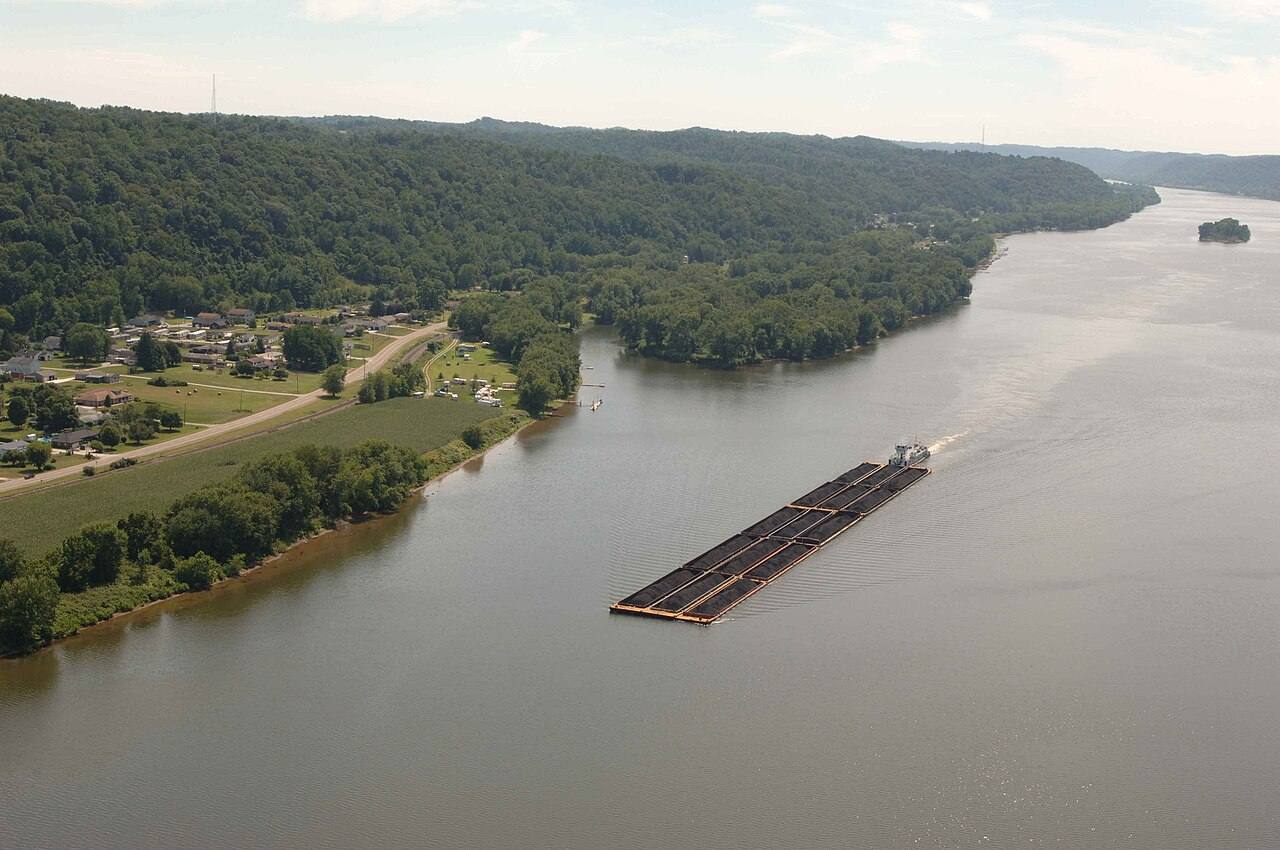
As summer temperatures rise, the Midwest faces unprecedented challenges regarding its water systems. With the advent of heat domes, which can cause significant shifts in weather patterns, water availability and quality are placed under stress. This season, the implications of elevated temperatures extend far beyond discomfort, potentially impacting the region's vital water resources.
Heat's Effect on Water Availability
Rising temperatures can exacerbate drought conditions, affecting the ability of rivers, lakes, and reservoirs to provide adequate water supplies. As precipitation patterns shift and evaporation rates increase, water bodies may see decreased levels. This situation can lead to competition among different users, including agricultural, industrial, and municipal sectors.
For instance, the Guardian recently reported on how heat domes not only impact communication signals but can also hinder essential infrastructure, including water delivery systems. As the heat intensifies, water systems must contend with rising demands for irrigation and potable water, further straining their capacities.
Impact on Water Quality
In addition to availability, higher temperatures can also affect water quality. Warmer water temperatures can foster the growth of harmful algal blooms in lakes and reservoirs, which pose risks to both human health and aquatic ecosystems. Algal blooms can produce toxins that contaminate drinking water supplies, necessitating additional treatment measures that can be costly and time-consuming.
Moreover, as groundwater levels decline, the concentration of pollutants can increase, further complicating water quality management. This is a concern echoed in a report by Water Finance and Management, which highlights the ongoing issue of contaminants such as PFAS and microplastics. These pollutants can become more concentrated in lower water volumes, raising alarms for local water authorities and residents.
Addressing the Challenges
In light of these challenges, water management strategies must evolve. Authorities are beginning to invest in technologies and infrastructure upgrades that can enhance the resilience of water systems. Solutions may include improved water conservation practices, investments in green infrastructure, and the development of advanced water treatment facilities to handle contamination issues effectively.
Furthermore, community engagement is essential for effective water management. Educating residents on water conservation techniques - such as limiting outdoor water use during peak heat hours and implementing rainwater harvesting - can significantly reduce demand and help sustain local water supplies during hot months.
Looking Ahead
As the Midwest continues to grapple with the implications of climate change, the intersection of heat and water systems will remain a critical area of focus. Collaboration among state and local governments, water authorities, and citizens is vital to address these multifaceted challenges effectively. With proactive measures and community involvement, it is possible to build a more resilient water future for the region.