Wells & Rural
The Hidden Costs of Water Management in the Midwest: Unpacking the Impact of PFAS and Microplastics
Understanding the challenges posed by emerging contaminants in our water systems.
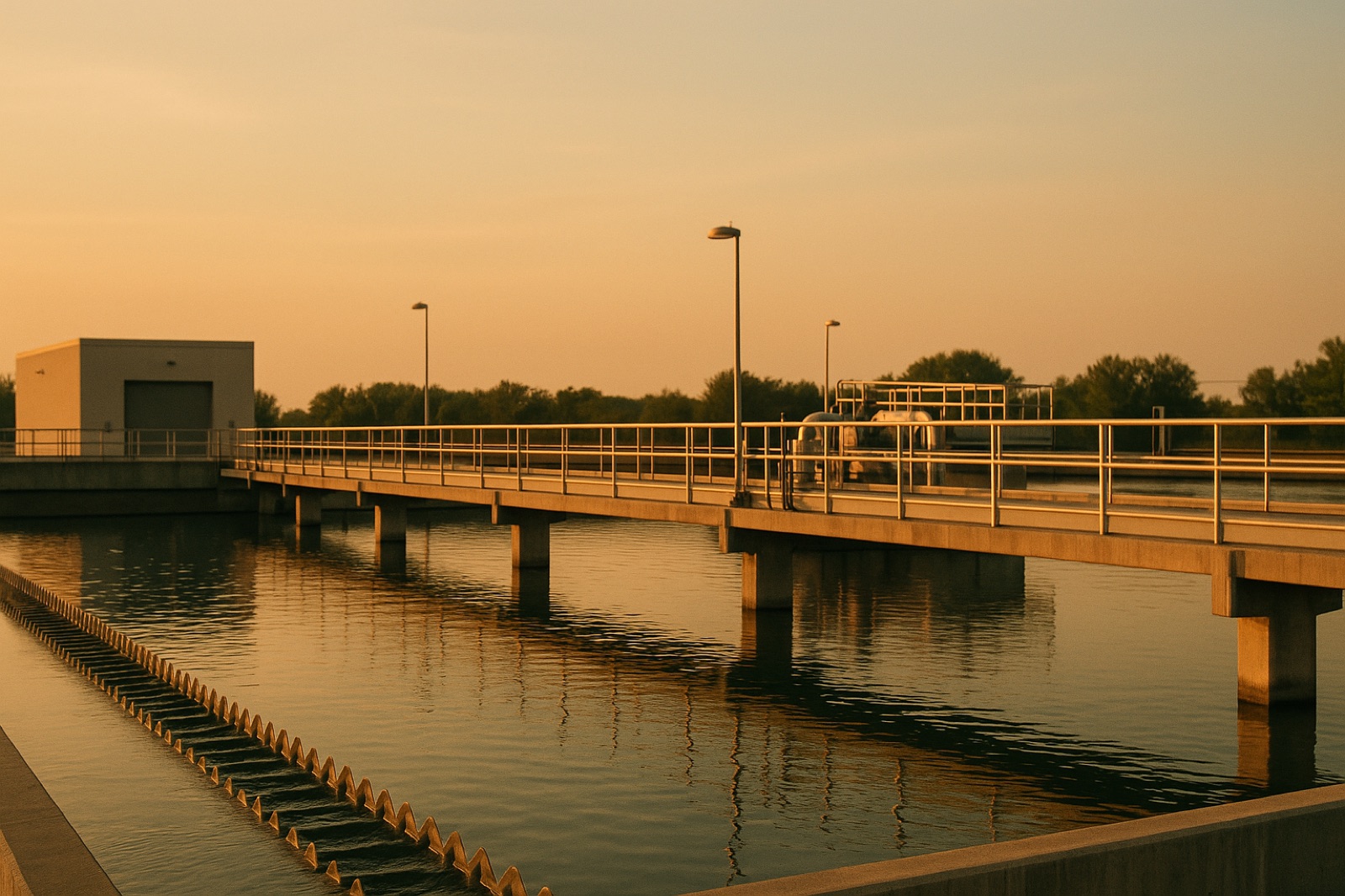
As communities across the Midwest grapple with the complexities of water management, the emergence of contaminants such as PFAS and microplastics has become a pressing concern. These substances, often referred to as "forever chemicals," have been linked to various environmental and health issues, leading to increased scrutiny on water quality and safety.
PFAS, or per- and polyfluoroalkyl substances, are a group of man-made chemicals that have been widely used in various industrial processes and consumer products, from non-stick cookware to water-resistant textiles. Their persistence in the environment and human body has sparked a wave of regulatory changes and public outcry. A recent article from Water Finance and Management highlights how the presence of PFAS in drinking water has reshaped the regulatory landscape across the United States. The Fifth Unregulated Contaminant Monitoring Rule revealed that PFAS are widely present in drinking water supplies, intensifying concerns among communities reliant on these sources for their daily needs.
In the Midwest, many regions still rely on aging infrastructure that may not be equipped to handle these emerging contaminants. For instance, rural communities, often with limited resources, face significant challenges in updating their water treatment processes to effectively remove PFAS and microplastics. This situation underscores the need for comprehensive assessments of local water systems and the implementation of modern filtration technologies capable of addressing these contaminants.
Understanding the Sources of Contamination
One of the critical steps in combatting PFAS contamination is understanding where these chemicals originate. They can leach into groundwater from industrial sites, landfills, and even agricultural runoff. As a result, local governments and water authorities are tasked with not only monitoring water quality but also identifying and mitigating sources of pollution.
Microplastics, tiny plastic particles that result from the breakdown of larger plastic items, also pose a significant threat to water quality. These particles have been found in lakes, rivers, and even drinking water supplies. Their presence is often attributed to the increasing amount of plastic waste in our environment. Like PFAS, microplastics are challenging to filter out of water systems, prompting calls for innovative solutions and greater public awareness.
The Importance of Community Engagement
Addressing these water quality challenges requires more than just technological upgrades; it necessitates community engagement and education. Residents need to be informed about potential contaminants in their water supplies and how they can protect themselves. Collaborations between local governments, health departments, and advocacy groups can foster dialogue and lead to the development of effective policies aimed at reducing contamination.
The situation is further complicated by disparities in resources among communities. Wealthier areas may have the means to invest in advanced water treatment technologies, while rural or economically disadvantaged communities may struggle to secure funding for necessary upgrades. This uneven landscape raises concerns about environmental justice and equitable access to clean water.
Paving the Way Forward
As the Midwest continues to confront the challenges posed by PFAS and microplastics, the path forward will require a concerted effort from all stakeholders involved. Policymakers must prioritize funding for water infrastructure improvements and support research into effective removal technologies. Additionally, increased public awareness campaigns are essential to educate residents about the impact of these contaminants and the importance of water conservation practices.
In conclusion, while the presence of PFAS and microplastics in our water systems presents significant challenges, it also offers an opportunity for communities to come together and advocate for safer, cleaner water. By understanding the complexities of these issues and taking proactive steps, we can work towards ensuring that all residents of the Midwest have access to safe drinking water.