Infrastructure
The Hidden Costs of Underground Utility Damage in the Midwest
Understanding the economic impact of damaged utility lines on our water systems.
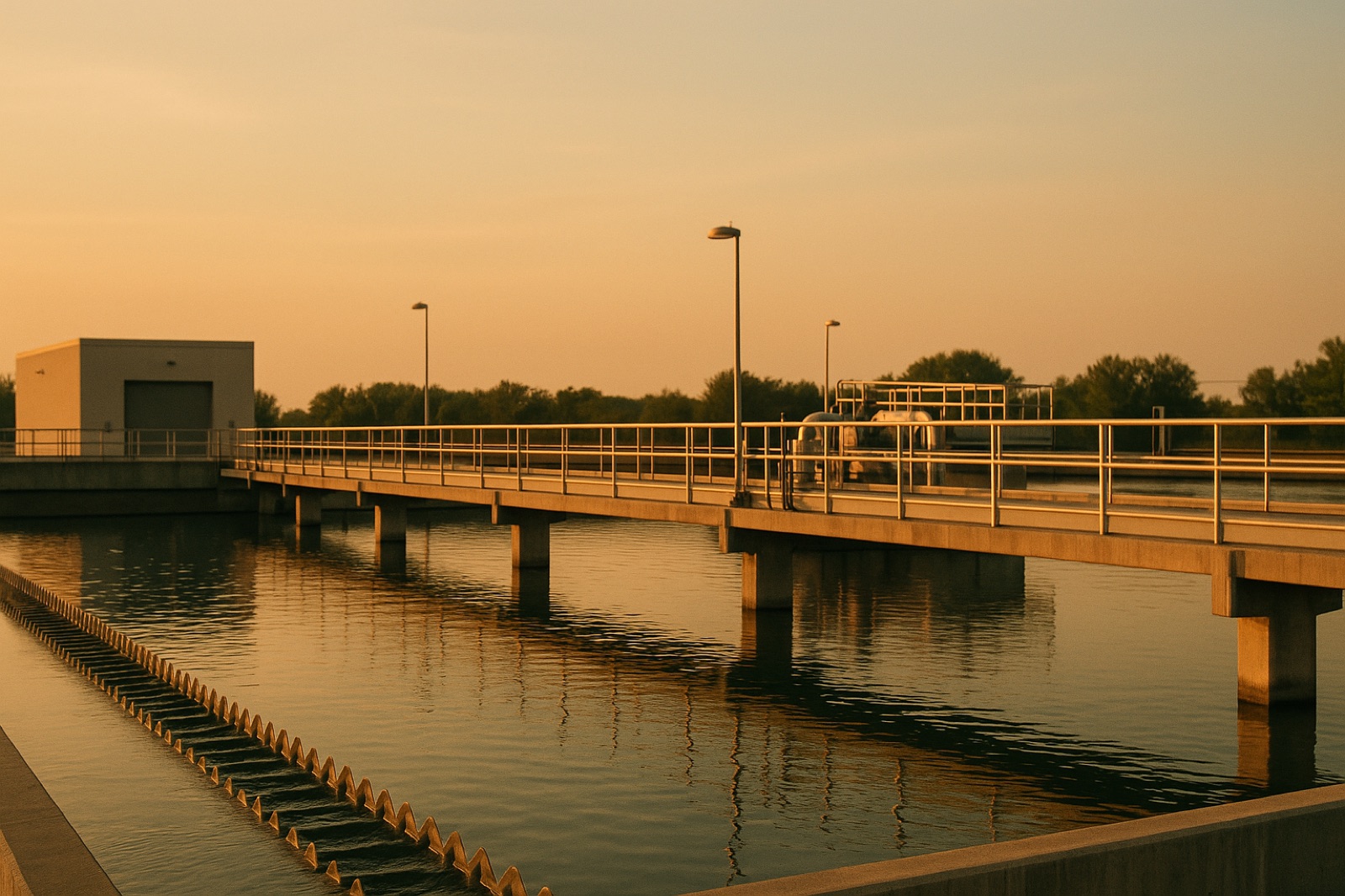
In the Midwest, the intricate web of underground utility lines, including water, gas, and electricity, serves as the backbone of everyday life. However, a recent report by the Common Ground Alliance has brought to light a stark reality: damage to these lines costs the U.S. economy an estimated $83.2 billion annually, which translates to over $227 million every day. This situation raises important questions about the sustainability of our water systems and the broader implications for infrastructure maintenance and safety.
The Scale of the Issue
According to the report, damages to underground utility lines occur frequently and can be triggered by various factors including excavation work, natural erosion, and aging infrastructure. In states such as Illinois and Missouri, where infrastructure is often decades old, the risk of damage is particularly pronounced. As cities expand and construction projects proliferate, the potential for accidental strikes on utility lines increases, leading to significant financial losses and service disruptions.
The Impact on Water Systems
Water systems are especially vulnerable to underground utility damage. When pipelines are breached, not only is there a loss of water service, but the costs associated with repairs can be substantial. These repairs often require digging up streets, rerouting traffic, and disrupting local businesses, which can compound the economic impact on communities.
Moreover, damage to water lines can lead to contamination issues. When a pipe is punctured, soil and other contaminants may enter the water supply, necessitating expensive testing and treatment processes before the water can be deemed safe for consumption. This adds another layer of complexity and cost to managing water systems, particularly in urban areas where the population density is high and the number of utility lines is significant.
Preventive Measures and Best Practices
To mitigate the risks associated with underground utility damage, several best practices can be adopted. One critical step is improving the accuracy of utility maps. Many municipalities possess outdated or incomplete records of underground infrastructure, increasing the likelihood of accidental strikes. By investing in updated mapping technologies and regular surveys, cities can provide more reliable data to contractors and workers.
Another effective approach is promoting best practices among utility workers and contractors. Programs that emphasize safe digging practices and the importance of notifying utility companies before excavation can greatly reduce incidents of damage. Public awareness campaigns can also play a role in educating citizens about the importance of reporting any signs of utility damage or malfunctions.
The Role of Technology in Infrastructure Management
Advancements in technology offer promising solutions for monitoring and managing underground utilities. For instance, sensors can be installed in utility lines to detect leaks and pressure changes, allowing for proactive maintenance before a problem escalates. Similarly, geographical information systems (GIS) can be used to provide real-time data on the condition of pipelines and other infrastructure, aiding in better decision-making about repairs and upgrades.
Furthermore, the recent announcement by the U.S. Environmental Protection Agency of $11.75 million in grant funding for drinking water systems aims to enhance resilience against various threats, including the impacts of infrastructure failures. These funds are intended to support projects that bolster cybersecurity measures and prepare water systems for extreme weather events, underscoring the need for robust infrastructure in the face of growing challenges.
A Call to Action
As communities across the Midwest grapple with aging infrastructure and the financial repercussions of utility damage, it is imperative to take a proactive stance. Local governments must prioritize investment in infrastructure maintenance and modernization. Collaborative efforts involving utilities, construction companies, and community members can foster a culture of safety and responsibility.
Ultimately, addressing the hidden costs of underground utility damage is not just about dollars and cents; it is about ensuring the reliability of essential services that residents depend on every day. By working together to enhance our infrastructure and promote safe practices, we can better protect our water systems and create a more sustainable future for the Midwest.