Great Lakes
The Growing Concern of PFAS in Midwest Water Systems
How 'forever chemicals' are affecting drinking water quality in the Midwest
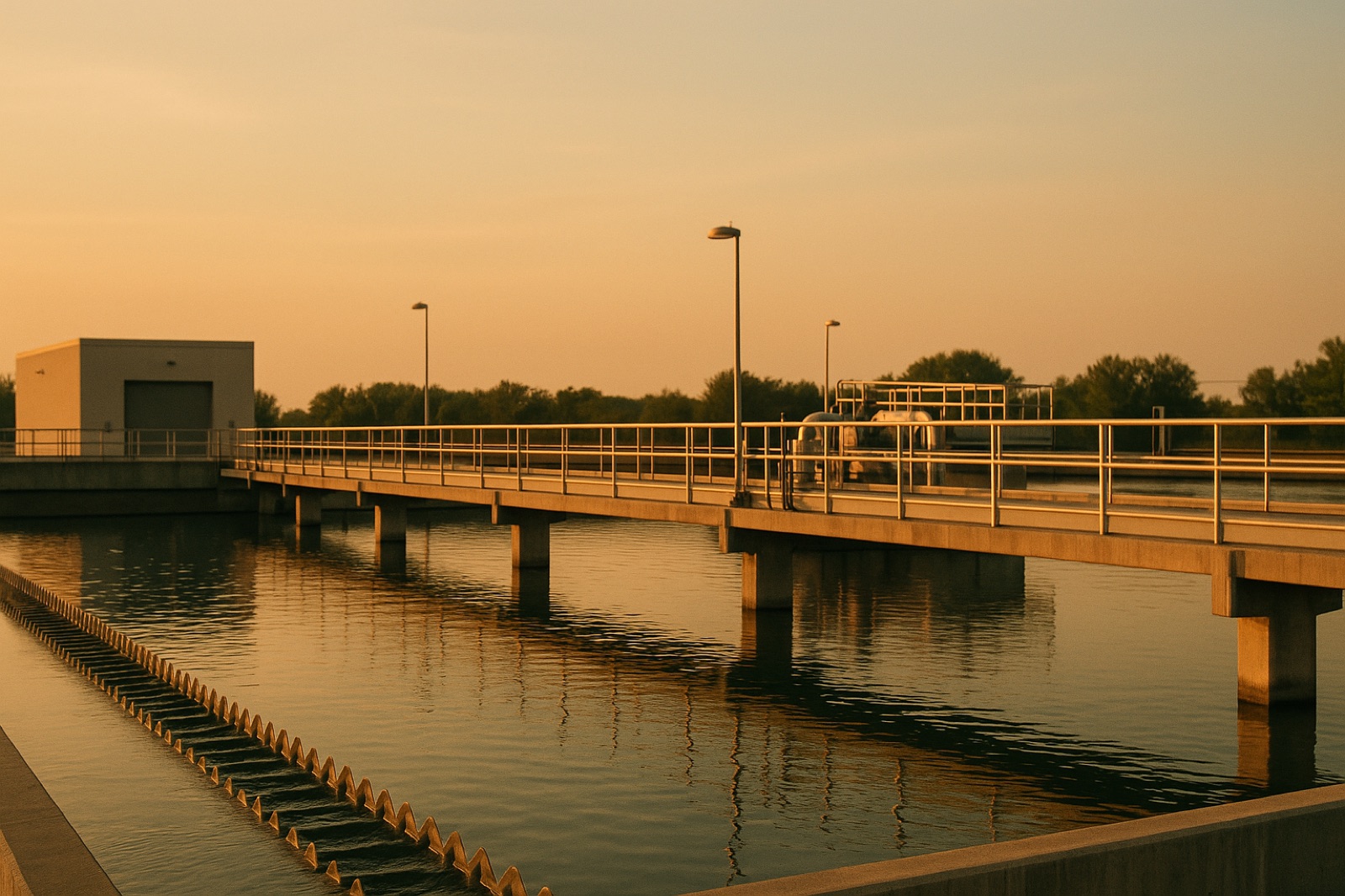
Per- and polyfluoroalkyl substances (PFAS), often referred to as "forever chemicals," have become a significant concern for drinking water systems across the Midwest. These substances, used in a variety of industrial applications and consumer products, are resistant to degradation, leading to their persistent presence in the environment and in human bodies.
Recent reports indicate that PFAS contamination is not limited to specific regions, but is widespread across the United States, affecting urban and rural areas alike. The Fifth Unregulated Contaminant Monitoring Rule (UCMR 5) highlighted the alarming presence of PFAS in drinking water, raising public awareness and concern. As communities grapple with the implications of contamination, many are left wondering what steps can be taken to ensure clean drinking water.
Understanding the Sources of PFAS
PFAS are a group of manufactured chemicals that have been linked to a range of environmental and health issues. They are found in various products such as non-stick cookware, waterproof clothing, and firefighting foam. The contamination often arises from industrial discharge or runoff from landfills where PFAS-containing products are disposed of. In many cases, these chemicals enter local waterways and subsequently infiltrate drinking water supplies.
The situation is particularly troubling for communities near industrial sites or military bases, where PFAS have been used extensively. As reported by Water Finance and Management, the regulatory landscape is shifting, necessitating immediate action to monitor and address these contaminants.
The Challenge of Remediation
Addressing PFAS contamination presents complex challenges. Traditional water treatment processes may not effectively remove these substances, prompting many municipalities to explore advanced filtration and treatment technologies. However, these systems can be costly and require ongoing maintenance and monitoring.
In North Bay, Ontario, a community has been grappling with its own PFAS problems, demonstrating that the issue is not confined to U.S. borders. As highlighted by Circle of Blue, local officials are working to remediate longstanding contamination, which often involves significant investments in infrastructure and technology.
Community Engagement and Awareness
As the public becomes more informed about PFAS and their risks, community engagement is crucial. Many residents are advocating for transparency from water utilities and government agencies regarding the presence of PFAS in their water supplies. Educational campaigns can empower citizens to understand the sources of contamination and the actions they can take to mitigate exposure.
In the Midwest, where water resources are often a lifeline for agriculture and industry, the need for comprehensive water management strategies is increasingly pressing. Local governments and water authorities are urged to collaborate and share best practices to address PFAS contamination effectively.
The Path Forward
The path to cleaner water free from PFAS is fraught with challenges but also filled with opportunities for innovation and collaboration. Regulatory frameworks are evolving, and communities have the chance to advocate for stronger protections. By investing in technology and fostering community awareness, the Midwest can work towards a future where drinking water is free from harmful contaminants.
As we proceed, it is essential to remember that the battle against PFAS is not just about regulation and technology; it is about public health and the right of every citizen to access clean and safe drinking water. The road ahead may be challenging, but with concerted efforts, progress is possible.