Great Lakes
The Great Lakes and the Challenge of Heat Waves: Understanding Water Use in a Warming Climate
As heat waves become more common, understanding the interplay between temperature and water supply is crucial for Midwest communities.
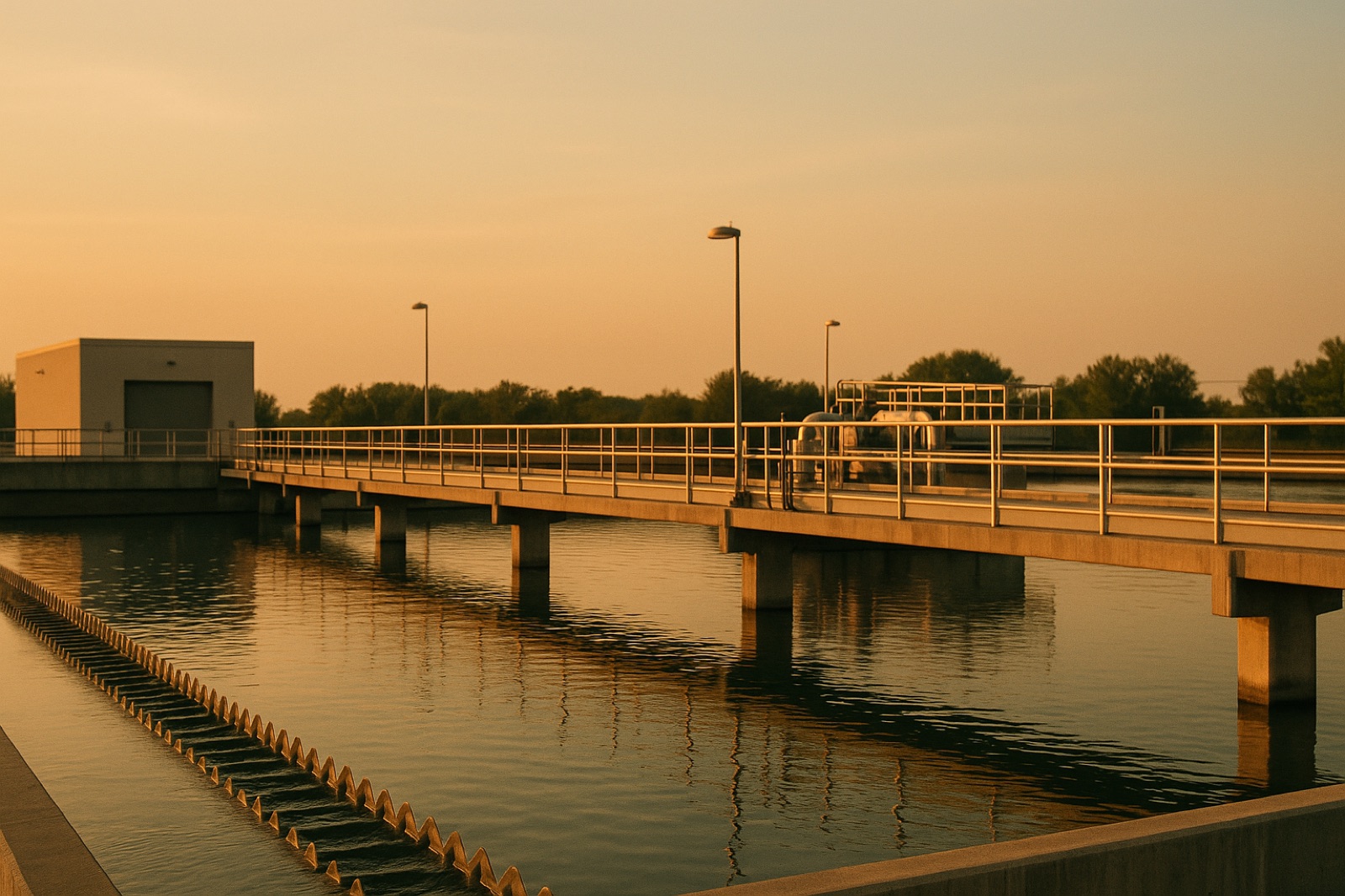
The Great Lakes region, home to 20 percent of the world's freshwater, faces an increasing challenge from extreme weather events, particularly heat waves. While the Great Lakes provide substantial resources for drinking water, agriculture, and recreation, rising temperatures can put significant pressure on these vital systems.
Understanding Water Systems
The water systems of the Midwest are interconnected, relying on the natural hydrology of the Great Lakes and surrounding watersheds. As temperatures rise, the demand for water inevitably increases, especially for irrigation and cooling systems in agricultural and industrial applications. This elevated demand can strain local water sources, leading to potential shortages.
For instance, during heat waves, communities often experience spikes in water use as residents attempt to stay cool through increased air conditioning and hydration needs. The challenge is compounded during peak demand periods when the water supply systems may struggle to keep up with the surging consumption. As noted in a recent article from The Guardian, "surviving extreme heat increasingly boils down to this: access to air conditioning." In areas where water systems are already overtaxed, this can lead to serious concerns regarding availability and quality.
Infrastructure and Adaptation
To address these challenges, infrastructure investment is critical. Many municipalities are now reevaluating their water delivery systems, focusing on sustainability and efficiency. This includes upgrading aging pipes, implementing smart water management technologies, and investing in green infrastructure that can help manage stormwater while also replenishing groundwater supplies.
Climate resilience strategies are becoming increasingly important as well. These strategies often emphasize the need for adaptive management, which considers the variability of climate impacts and aims to create flexible water policies. By ensuring that water systems are resilient to both droughts and flooding, communities can better withstand the impacts of extreme temperatures.
Community Engagement and Education
Local governments and water authorities are also working to engage communities in water conservation efforts. Educational programs can help residents understand their water use patterns and encourage practices that reduce consumption. Initiatives such as rainwater harvesting and xeriscaping can diminish the overall demand for freshwater during peak usage times.
Moreover, as climate change continues to reshape weather patterns, it is essential for Midwestern communities to stay informed and proactive. By investing in both infrastructure and public awareness, the region can better prepare for the challenges posed by increasing temperatures while safeguarding its precious water resources.
As the Great Lakes continue to be a vital water source for millions, understanding the complexities of water use in a warming climate becomes ever more critical. Ensuring that both urban and rural water systems can withstand the pressures of extreme heat will be essential for the health and sustainability of the region.