Wells & Rural
The Future of Rural Water Systems in the Midwest
Exploring the challenges and innovations shaping water access in rural communities.
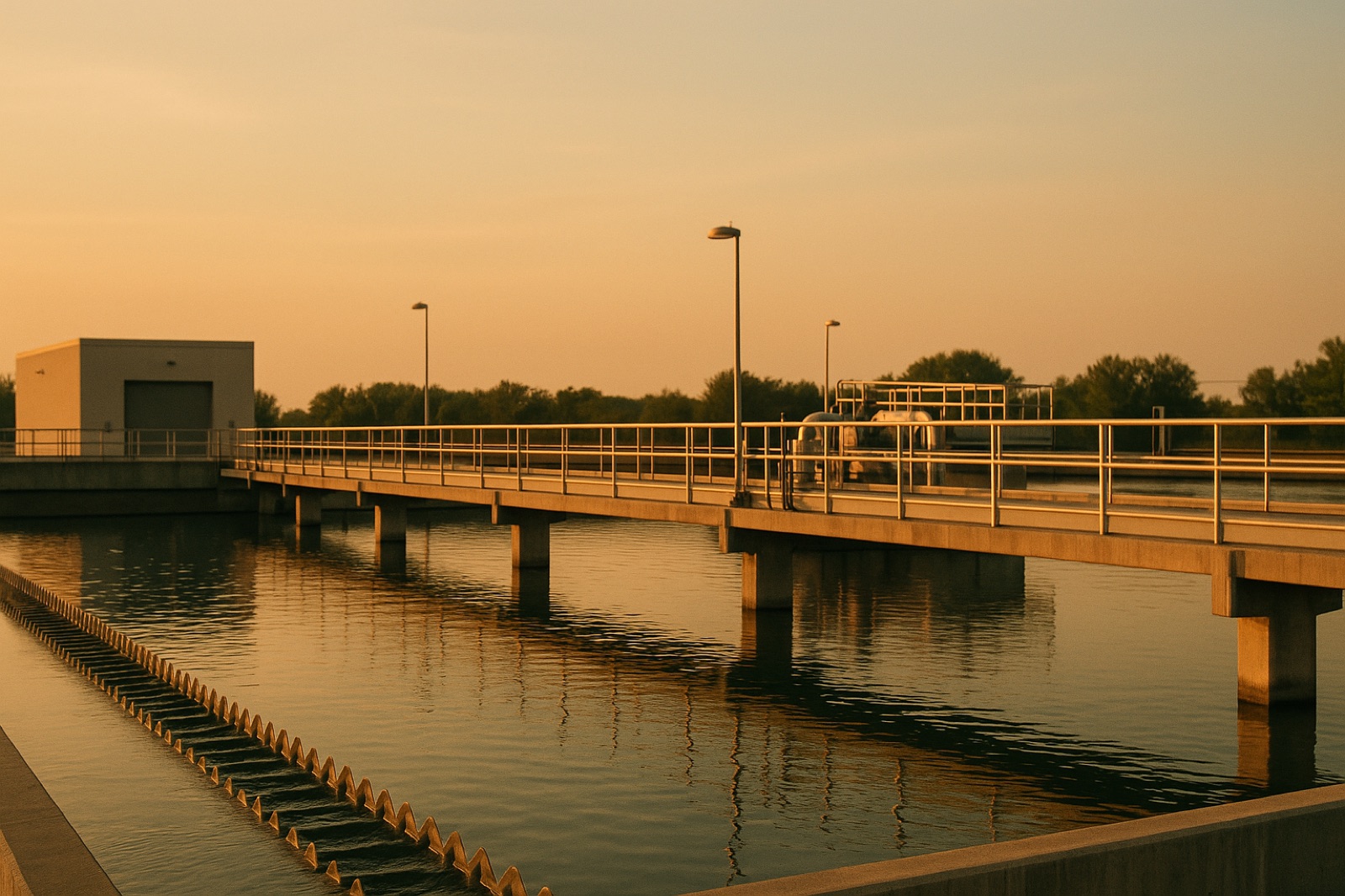
As climate change continues to reshape our environment, rural water systems in the Midwest face unique challenges that demand innovative solutions. The region, characterized by its diverse geography and farming-centric economy, relies heavily on groundwater sources and aging infrastructure to deliver water to its residents.
The Importance of Groundwater
In many rural areas, groundwater serves as the primary source of drinking water. Wells tap into aquifers that have taken centuries to recharge. However, these vital water sources are under increasing pressure due to over-extraction, agricultural runoff, and changing precipitation patterns. Communities are tasked with managing these fragile resources more sustainably.
For example, the recent discussions surrounding water access and extreme weather - highlighted by The Guardian - have raised awareness about how climate-related impacts can affect water supplies. As heat waves become more frequent, the demand for water increases, further straining already stressed systems.
Infrastructure Challenges
Many rural water systems are burdened by aging infrastructure. According to the American Society of Civil Engineers, much of the water infrastructure in rural areas is decades old, leading to inefficiencies and potential contamination risks. This has resulted in increased costs for repairs and upgrades, which can be a substantial burden for small communities with limited budgets.
Innovative funding and collaboration efforts are emerging to address these infrastructure needs. For instance, some regions are exploring partnerships with state and federal agencies to secure grants and funding for modernization projects. This collaboration can help communities implement new technologies that improve water management and distribution efficiency.
Funding Innovations and Community Engagement
Community engagement plays a crucial role in the success of these initiatives. Local residents must be involved in decision-making processes to ensure that solutions are tailored to their specific needs. Grassroots movements have begun to advocate for equitable water access, emphasizing the importance of clean drinking water as a human right.
Moreover, innovative funding mechanisms are being introduced to help finance these upgrades. For example, some local governments are considering water user fees or creating public-private partnerships to attract investment in rural water systems. These approaches aim to ensure that all residents have access to reliable and clean water.
The Role of Technology
Advancements in technology are also poised to transform rural water management. Smart water systems, which utilize sensors and data analytics, can help monitor water usage and detect leaks in real-time. This technology not only conserves water but also reduces operational costs, making it a viable option for many rural communities.
Education is another crucial component of improving water systems. By providing training on efficient water use and conservation practices, residents can become empowered stewards of their water resources. This knowledge is particularly vital in areas where water scarcity is becoming increasingly common.
A Look Ahead
As the Midwest navigates a changing climate, the future of rural water systems will depend on proactive management, community involvement, and technological advancements. Addressing these challenges requires a concerted effort from local governments, residents, and state agencies. By prioritizing sustainable practices and infrastructure improvements, rural communities can secure their water future and ensure that all residents have access to this essential resource.
By focusing on both the immediate needs and long-term sustainability of these systems, rural communities in the Midwest can not only survive but thrive in the face of climatic shifts. The journey toward resilient water systems in the rural Midwest is just beginning, but with community collaboration and innovative solutions, it holds the promise of a brighter future.