Missouri
Funding Water Systems for Tribal Communities
The recent EPA funding aims to enhance water services in Tribal regions, highlighting the need for long-term investment in infrastructure.
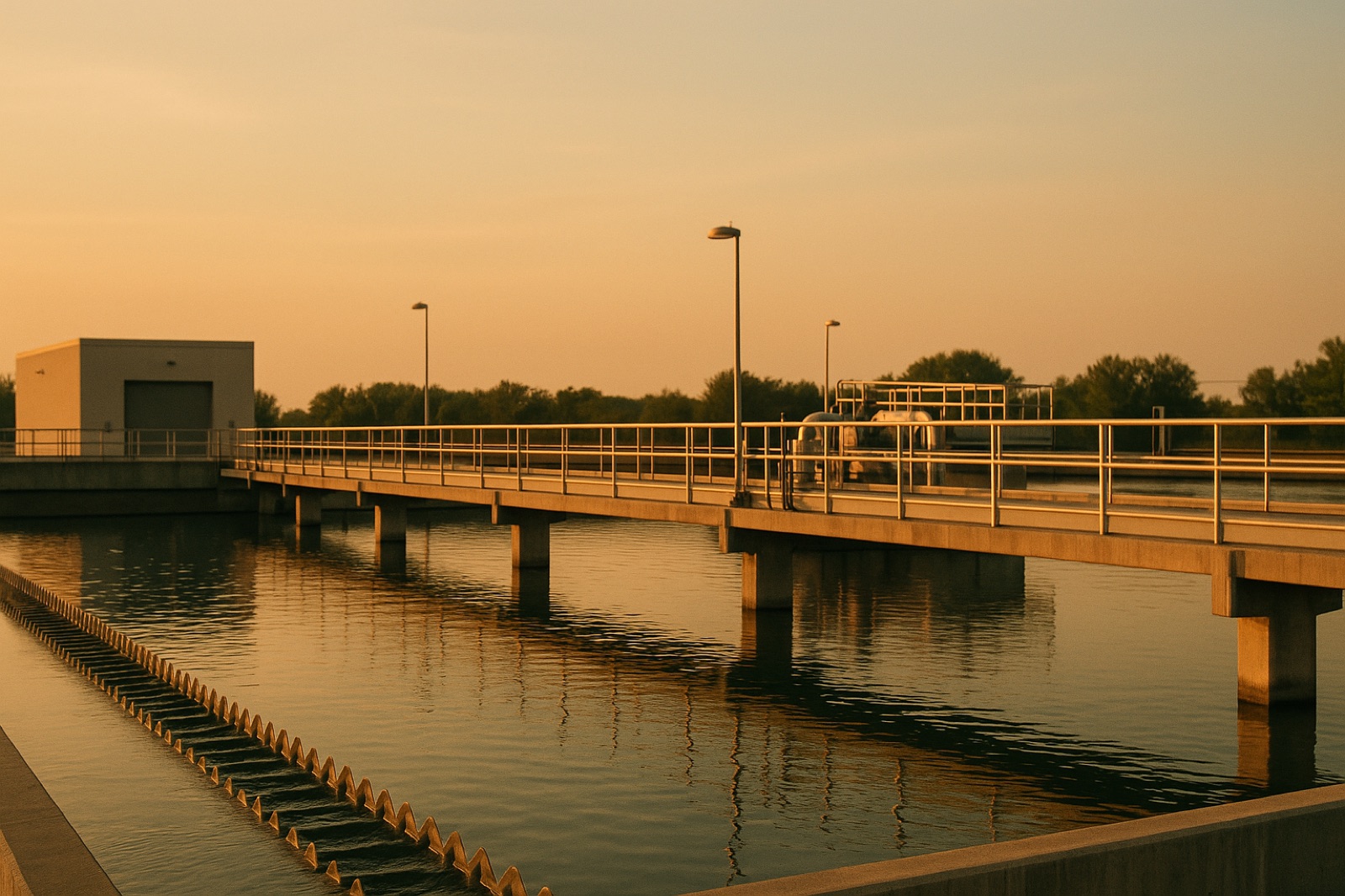
Access to safe drinking water is a universal right, yet many communities, particularly Tribal communities, face ongoing challenges in ensuring their water systems are up to standard. The recent announcement by the U.S. Environmental Protection Agency (EPA) to direct more than $227 million in funding to American Indian Tribes and Alaska Native Villages marks a significant step towards addressing these challenges. This funding is earmarked to improve drinking water and wastewater services, which are critical for public health and environmental sustainability.
The Importance of Infrastructure Investment
Tribal communities often experience higher rates of poverty and limited access to essential services, including water. As a result, many of these communities have outdated or inadequate water infrastructure, which can lead to contaminated drinking water and inadequate sewage treatment. The EPA's funding initiative aims to mitigate these issues by providing financial support for necessary upgrades and maintenance of water systems.
According to the EPA, this investment will help ensure that these communities can access safe and reliable drinking water, which is a critical component of public health and overall quality of life. Beyond immediate improvements, this funding can also foster long-term sustainability through enhanced infrastructure, reducing the likelihood of future water crises.
Challenges and Opportunities Ahead
While the EPA funding is a positive development, there are significant challenges ahead. Implementing such large-scale projects requires careful planning and coordination with local communities. Each Tribal community has unique needs and circumstances, which means that a one-size-fits-all approach will not work. Local water authorities must engage with community members to ensure that the projects meet their specific needs and priorities.
Moreover, ongoing maintenance and operational costs will need to be addressed to ensure these systems remain functional after they are built or upgraded. This can be particularly challenging for communities that already struggle with funding and resources. Establishing partnerships with regional treatment companies that test private wells can be one way to support ongoing oversight and ensure the quality of local water sources.
Looking to the Future
This initiative also highlights a broader trend: the increasing recognition of the importance of investing in water infrastructure. The challenges faced by Tribal communities mirror those of many rural and underserved areas across the Midwest. There is a growing awareness that to achieve equity in water access, sustained investments and collaborative efforts will be necessary.
Moreover, the funding can serve as a catalyst for broader discussions about water management across the region. As communities share their experiences and solutions, there is potential for innovative approaches to emerge that can benefit not only Tribal areas but also other underserved communities in the Midwest.
In summary, the recent EPA funding for Tribal communities is an important step towards rectifying disparities in water access. However, the real work lies ahead in implementing these projects effectively and ensuring their sustainability. As communities come together to tackle these challenges, they can also pave the way for a more equitable future in water management throughout the Midwest.
For ongoing updates and resources on water quality and infrastructure, visit regional treatment companies that test private wells.