Illinois
Funding Water Infrastructure for Tribal Communities
The EPA's recent funding aims to enhance water services for Tribal communities across the Midwest.
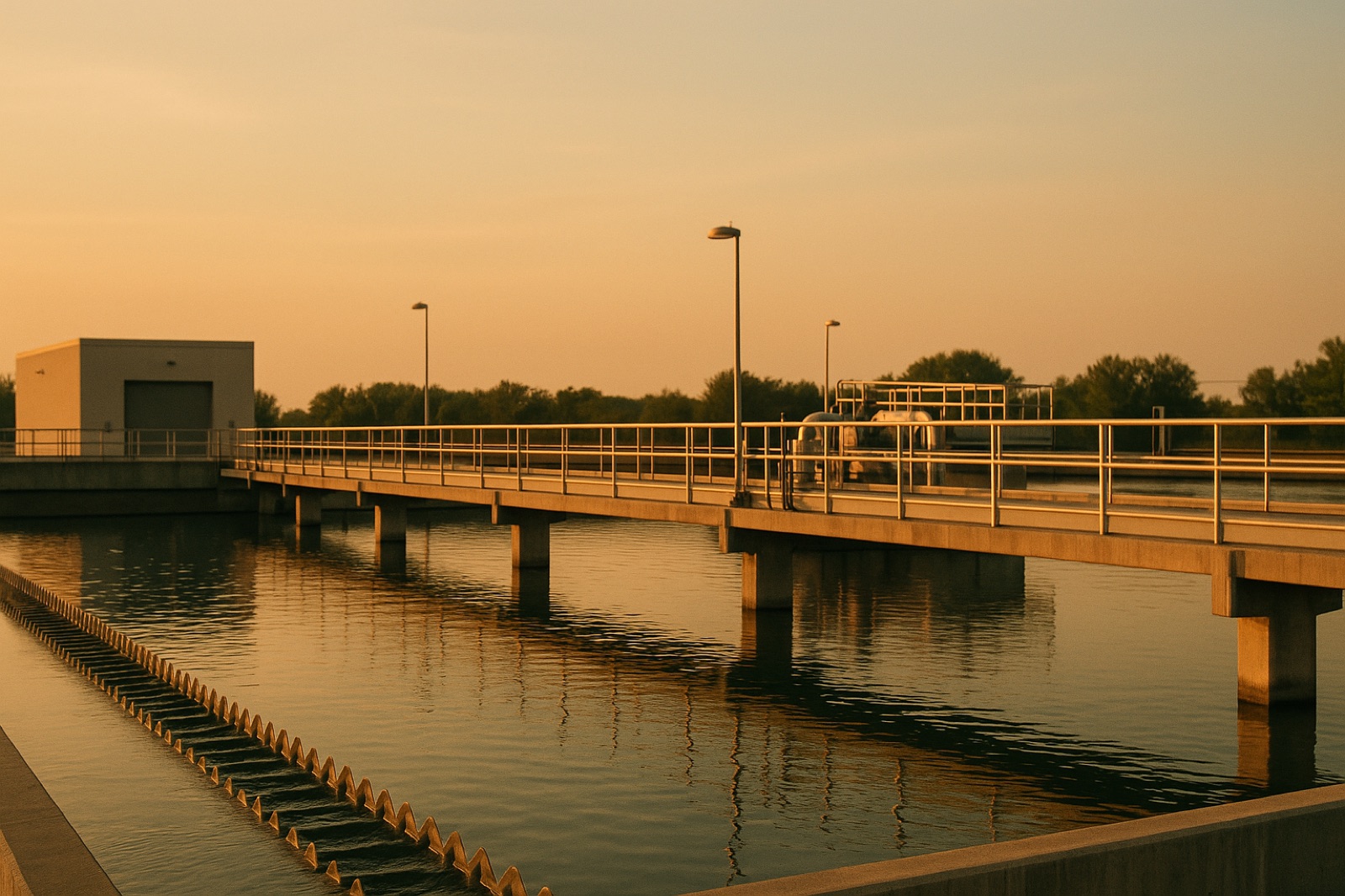
The U.S. Environmental Protection Agency's recent announcement of over $227 million in funding for American Indian Tribes and Alaska Native Villages represents a significant step toward improving drinking water and wastewater services in these often-overlooked communities. This funding is particularly crucial for many Tribal communities in the Midwest, where access to safe and reliable water services has historically lagged behind wider regional standards.
The Context of Water Access in Tribal Communities
For many Tribes, accessing clean water is not just a matter of convenience but a fundamental issue of health and survival. Inadequate infrastructure and limited resources can lead to unsafe drinking water, impacting not only public health but also the economic stability of these communities. The recent funding aims to address these needs, focusing on enhancing water quality and service reliability.
How the Funding Works
The EPA's funding will be distributed through various programs aimed at enhancing water infrastructure. The funds can be used for projects like upgrading treatment facilities, improving distribution systems, and replacing outdated infrastructure. These efforts are vital for communities that may lack the financial resources to undertake such projects independently.
One of the main goals of this funding is to ensure that all Americans, regardless of their geographic location or economic status, have access to safe drinking water. This aligns with the EPA's broader mission to protect human health and the environment. The agency noted that the funding will help Tribal communities access “safe and reliable drinking water,” which is critical for their long-term wellbeing.
Challenges Ahead
While the funding is a positive development, many challenges remain. For instance, managing projects effectively and ensuring transparency in how funds are utilized can be complex tasks, especially in smaller communities that may not have extensive administrative or technical expertise. To mitigate these challenges, joint efforts between Tribal governments, local organizations, and federal agencies will be essential.
Additionally, the long-term sustainability of these water systems will depend on ongoing investment and maintenance. Without proper upkeep, even newly funded systems can fall into disrepair, negating the benefits of the initial investment. Therefore, community engagement in project planning and maintenance is crucial to ensure that these systems continue to serve their intended purpose.
Looking Forward
The recent funding announcement from the EPA represents a critical opportunity for Tribal communities to improve their water systems significantly. As these projects get underway, it will be important to monitor their implementation and effectiveness in delivering safe drinking water. The success of such initiatives can serve as a model for future funding efforts and policy decisions geared toward equitable water access across the Midwest.
For more details on the EPA's funding efforts, you can read the full announcement from Water Finance and Management, where they report that the EPA has directed “$227 million in funding for American Indian Tribes and Alaska Native Villages” to enhance their water services here.