Wells & Rural
Funding for Tribal Water Systems: A Step Toward Equity in the Midwest
EPA funding aims to enhance drinking water access for Tribal communities in the Midwest.
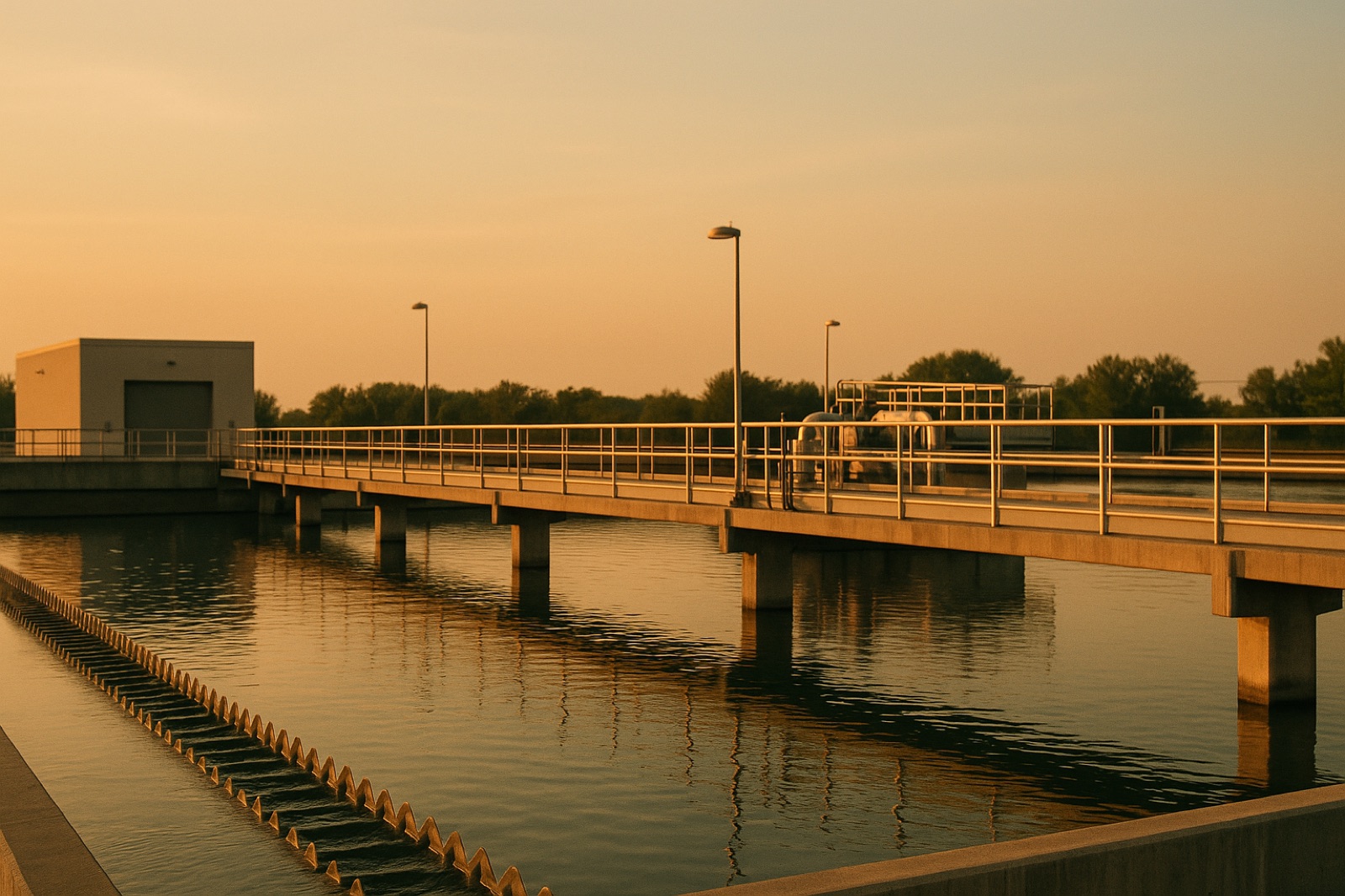
In June 2023, the U.S. Environmental Protection Agency (EPA) announced over $227 million in funding aimed at improving drinking water and wastewater services for American Indian Tribes and Alaska Native Villages. This significant allocation is part of a larger effort to address longstanding disparities in water access among underserved communities, including those in the Midwest.
The Importance of Safe Drinking Water
The EPA's funding initiative underscores the urgency of ensuring safe and reliable drinking water for all communities. Many Tribal areas have faced critical challenges related to water quality and infrastructure. These can lead to health risks and limit economic opportunities. According to the EPA, the funding will help enhance access to essential services, allowing communities to implement necessary upgrades to their water systems.
Understanding the Funding Mechanism
The allocated funds come from various EPA programs designed to support community development and infrastructure improvements. This specific funding is part of the Bipartisan Infrastructure Law, which emphasizes the need to modernize water systems across the country. The goal is to ensure that all communities, particularly marginalized and underserved ones, have the foundational resources required for public health and economic vitality.
Eligible projects may include replacing aging pipes, installing new treatment facilities, or developing new sources of drinking water. The focus is not just on fixing problems but on building resilient systems that can withstand challenges such as climate change and population growth.
Impacts on the Midwest Region
For Midwest water systems, this funding represents a transformative opportunity. Many regions in the Midwest contain Tribal lands that have struggled with water accessibility issues for years. The funds will not only contribute to immediate improvements but may also facilitate long-term planning and development of sustainable water practices.
Moreover, the funding could serve as a model for future investments in other rural and underserved areas in the Midwest, showcasing a commitment to equitable water access. The importance of such funding can be particularly seen in the context of the ongoing discussions about water quality, as highlighted in recent articles. For instance, concerns about contaminants like PFAS are prevalent across the Midwest, emphasizing the need for robust water treatment and monitoring systems.
Challenges Ahead
While the funding is a positive step, challenges remain in ensuring that the resources are effectively utilized. Implementation may vary greatly across different communities, depending on local governance structures, existing infrastructure, and community engagement. Successful projects will likely require close collaboration between Tribal leaders, local governments, and the EPA to align priorities and build trust.
Furthermore, this funding should not be seen as a panacea. Ongoing support and commitment from federal and state agencies will be crucial in maintaining improvements over the long term. As communities work to upgrade their systems, there may also be a need for training and capacity building to ensure that local teams can operate and maintain new technologies and processes.
Conclusion
The $227 million funding from the EPA is a significant step toward addressing water access inequities faced by Tribal communities in the Midwest. As these funds begin to flow into local projects, they hold the potential to not only improve water quality but also empower communities to take charge of their water futures. By investing in these essential services, the federal government is acknowledging the critical importance of clean water as a fundamental right that should be available to all.
For more information on the funding initiative, you can read the full announcement by the EPA here.