Wells & Rural
The Role of Federal Funding in Strengthening Water Infrastructure in Midwestern Tribes
Federal funds are vital for enhancing water systems in the Midwest's American Indian communities.
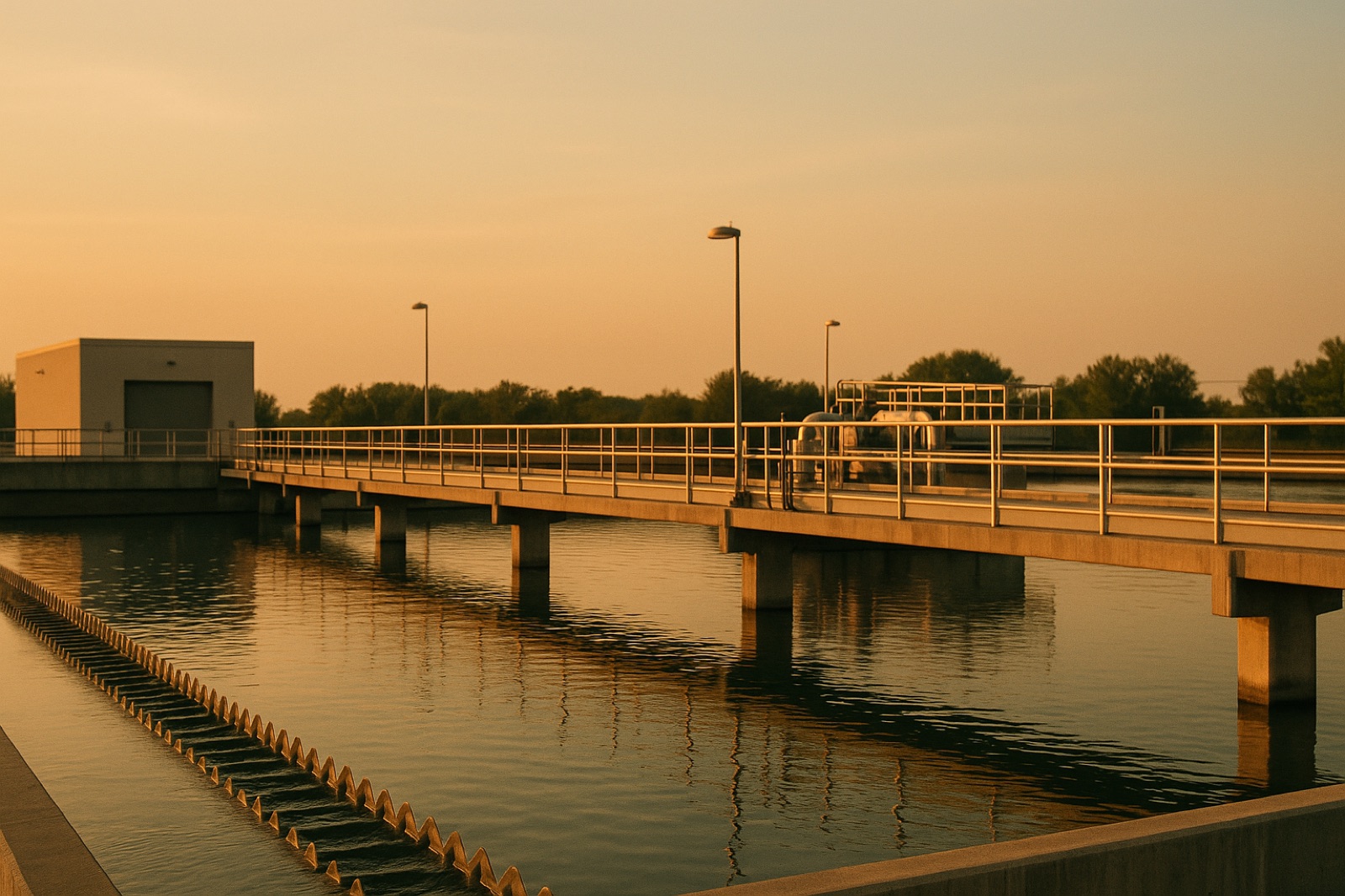
Access to clean and reliable drinking water is a fundamental right, but for many American Indian Tribes and Alaska Native Villages, this remains a significant challenge. In June, the U.S. Environmental Protection Agency (EPA) announced an allocation of over $227 million specifically aimed at improving drinking water and wastewater services for these communities. This funding initiative highlights the essential role that federal support plays in bolstering water infrastructure, particularly in rural areas that may not have the same resources as urban counterparts.
The Importance of Infrastructure Investment
Water infrastructure encompasses the systems and processes used to manage the collection, treatment, and distribution of water. For Indigenous communities, where resources may be scarce, investment in infrastructure can mean the difference between access to safe drinking water and continued reliance on contaminated sources. The EPA's funding aims to address this gap, allowing for upgrades that can enhance both the safety and reliability of water supplies.
This EPA initiative reflects a growing recognition of the unique water challenges faced by Tribal communities. Many of these areas have outdated infrastructure, which can lead to issues such as water contamination and supply interruptions. With the new funding, Tribes can invest in critical projects, whether that means upgrading existing facilities or developing new systems altogether.
How the Funding Will Be Used
While specific projects funded by the EPA have not been detailed in the announcement, previous initiatives provide insight into potential uses of this financial support. Investments could include improvements to drinking water treatment plants, the installation of new pipes to reduce leaks and water loss, and the creation of better wastewater treatment facilities. Additionally, funds may be allocated for training personnel in advanced water management techniques, ensuring that the communities can effectively operate and maintain their systems.
The need for reliable water systems is particularly pressing in regions where residents often face natural challenges such as drought or flooding. Such environmental factors can exacerbate existing water issues, making timely investments in infrastructure even more critical.
Challenges Ahead
While the funding from the EPA represents a significant step forward, it is not a panacea for all the water-related issues faced by Tribal communities. Administrative challenges can delay projects, and securing local buy-in is essential for the success of any new infrastructure project. Furthermore, ongoing maintenance of newly developed systems will require continued financial support and community engagement.
In the Midwest, the collaboration between federal agencies and local communities can serve as a model for addressing water issues more broadly. For example, the experience of other communities that have successfully implemented advanced metering infrastructure (AMI) can provide valuable lessons. According to an article from Water Finance and Management, AMI can help utilities manage resources more effectively, thus helping to restore public trust and ensure water reliability.
Conclusion: A Path Forward
Federal investment in water infrastructure for Tribal communities is essential, but it must be complemented by local efforts and sustained funding. The EPA's $227 million initiative is an important step toward ensuring that all communities have access to safe water, regardless of their geographical or political challenges. As these projects unfold, the Midwest can look toward a future where every resident has access to clean and reliable drinking water, fostering healthier communities and a more equitable society.
As the conversation around water infrastructure continues, the emphasis should remain on collaboration, sustainability, and adaptability to the unique needs of various communities. With the right resources and support, the path toward improved water systems in the Midwest is not only necessary but achievable.