Wells & Rural
Federal Funding for Water Improvements in Midwest Tribes
The EPA's recent funding announcement highlights the ongoing challenges and progress in providing safe drinking water for Tribal communities.
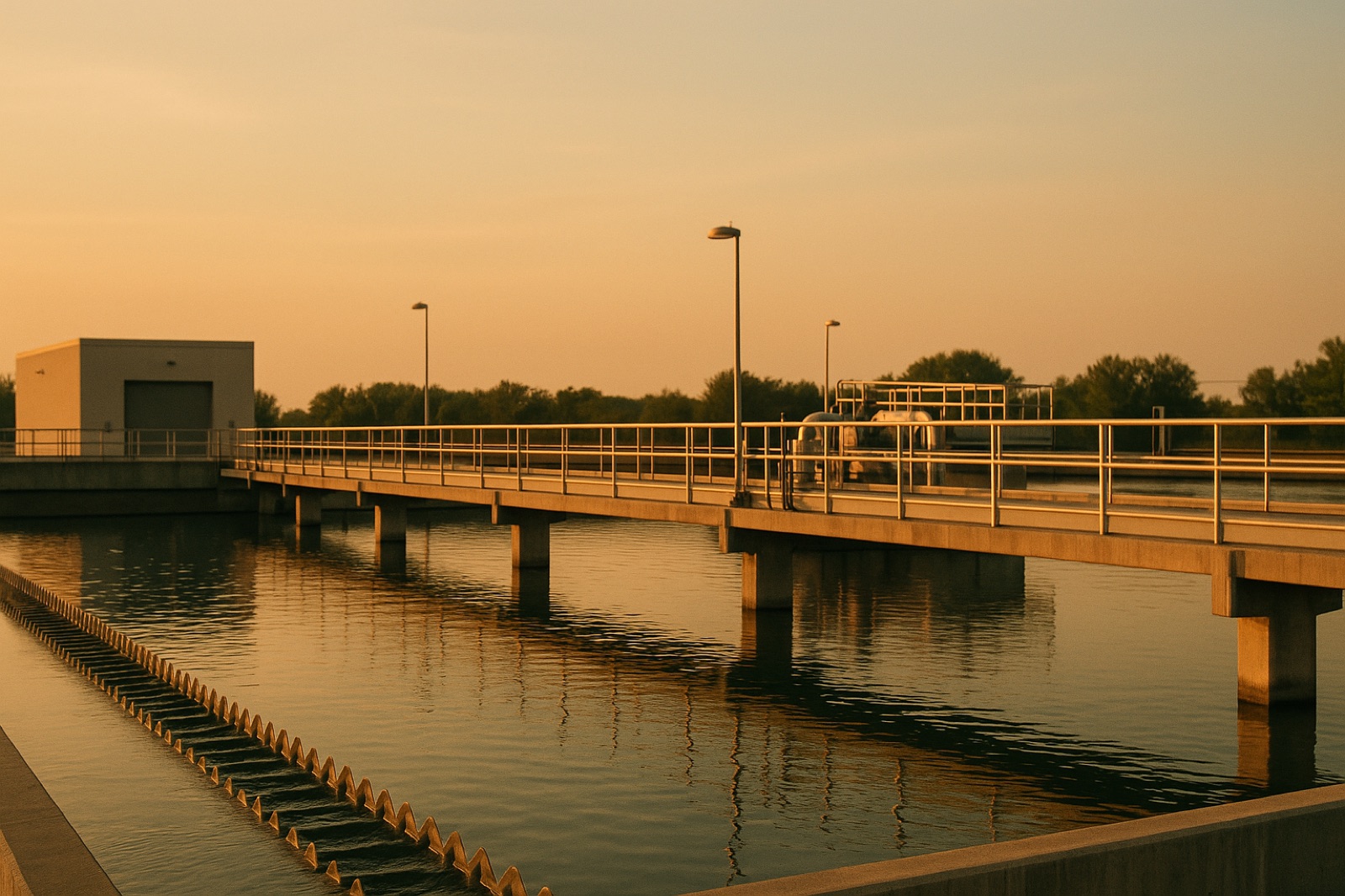
In June 2023, the U.S. Environmental Protection Agency (EPA) announced over $227 million in funding aimed at improving drinking water and wastewater services for American Indian Tribes and Alaska Native Villages. This funding is part of a broader effort to ensure that these communities have access to safe and reliable drinking water, a critical public health need that has long been neglected.
The Context of Water Access in Tribal Communities
The challenges faced by Tribal communities in accessing clean water are significant. Many of these areas are rural and often experience infrastructure deficits that can lead to unreliable water systems. Poor water quality is not just a matter of inconvenience but can have profound implications on health and wellbeing.
The EPA's recent announcement, as reported by Water Finance and Management, specifies that this funding will help Tribal communities in improving their water systems. This is a crucial step in addressing the disparities that exist between these communities and the general population. For instance, many Tribal members may rely on water sources that are contaminated or do not meet federal standards. The funding is intended to rectify these issues, providing the resources needed for infrastructure repairs and upgrades.
The Importance of Infrastructure Investments
Water infrastructure in the Midwest, particularly in rural and Tribal settings, often goes unaddressed in broader discussions about water management and environmental sustainability. Investments like those announced by the EPA are essential not only for immediate improvements but also for long-term community health.
Infrastructure improvements in water systems can include replacing aging pipes, enhancing treatment facilities, and implementing modern water management technologies. Such initiatives not only ensure quality drinking water but also create jobs and stimulate local economies.
Broader Impacts and Community Engagement
As these funds become available, the key will be how they are utilized. Community engagement in planning and decision-making processes is critical for ensuring that the needs of residents are met effectively. Significant investments in water infrastructure should involve local stakeholders to identify specific needs and potential projects. Such collaborative efforts can lead to more sustainable and appropriate solutions that are tailored to the unique challenges faced by different communities.
Moreover, the focus on improving water access for Tribal communities aligns with broader national objectives aimed at environmental justice. Addressing the water crisis in these areas is a step toward rectifying historical inequities.
Looking Ahead
As the Midwest continues to grapple with various water management challenges, including those posed by climate change and population growth, the need for adaptive and inclusive water policies becomes increasingly clear. Initiatives like the EPA's funding for Tribal communities are encouraging signs that federal resources can help bridge the gap in water access.
Moving forward, it is essential for local governments, Tribal authorities, and environmental organizations to work collaboratively in monitoring the effectiveness of these investments. Regular assessments and transparent reporting will be vital to ensure that the funds are making a tangible difference in the lives of those who have been historically underserved.
In conclusion, the recent EPA funding represents a significant opportunity for improvement in water infrastructure for Tribal communities in the Midwest. While challenges remain, the coordinated efforts to enhance water systems can lead to healthier communities and a more equitable distribution of resources.