Missouri
Federal Funding for Tribal Water Systems: A Step Forward in Infrastructure
The EPA's recent funding boost aims to enhance drinking water services for Tribal communities across the U.S.
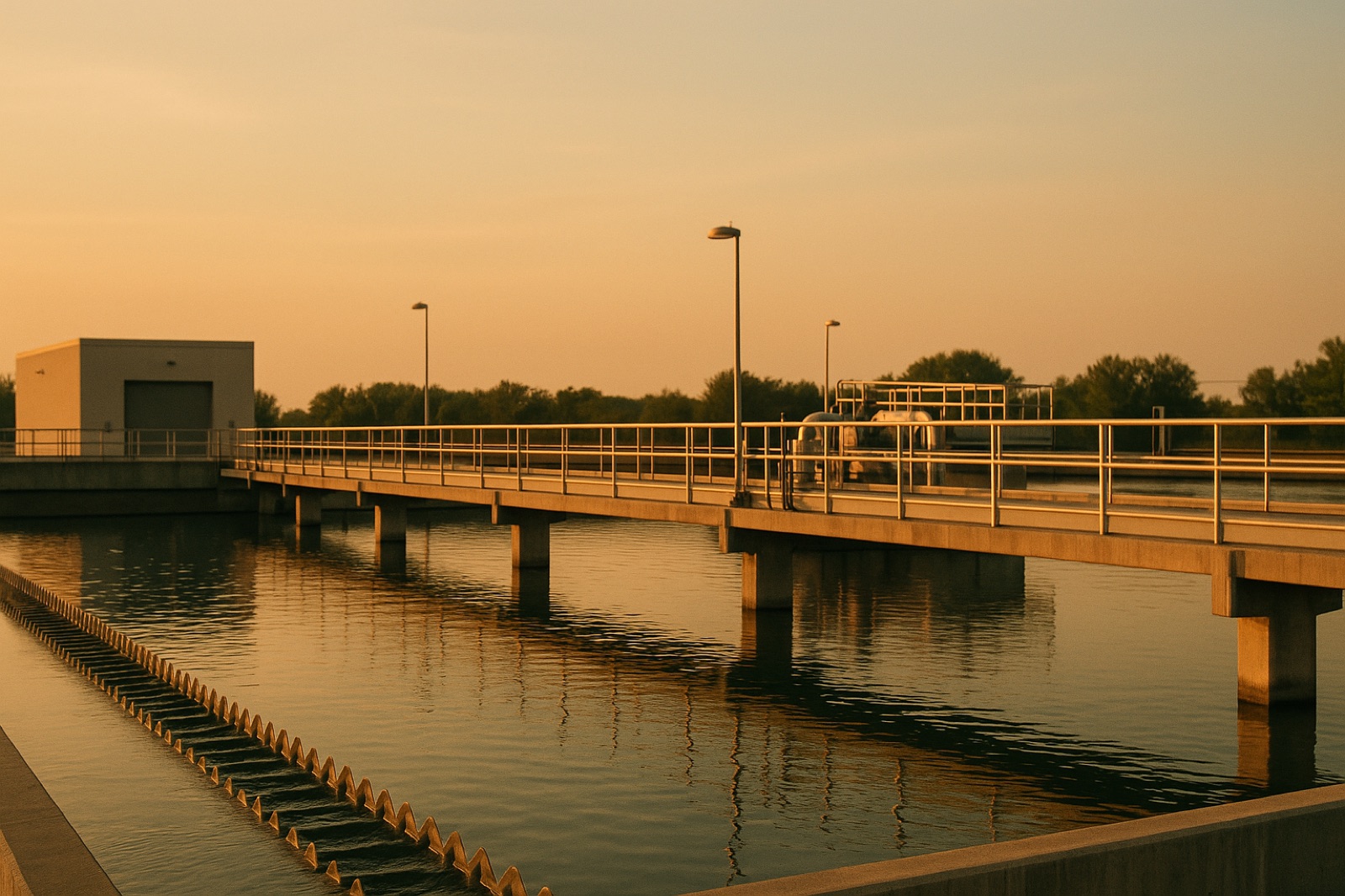
Access to safe and reliable drinking water is a fundamental necessity for all communities, yet many American Indian Tribes and Alaska Native Villages continue to struggle with inadequate water infrastructure. In June, the U.S. Environmental Protection Agency (EPA) announced a significant funding initiative, directing more than $227 million to these communities to improve their drinking water and wastewater services. This funding is part of a broader federal effort to address longstanding inequities in water access and quality faced by Native American populations.
Understanding the Funding Mechanism
The $227 million allocation is designed to empower Tribal communities, enabling them to make critical investments in their water systems. This funding will assist in various areas, including upgrading aging infrastructure, constructing new facilities, and addressing issues related to contamination. The EPA's decision reflects an increasing recognition of the need for improved water systems, especially in regions where communities have suffered from neglect and underfunding for decades.
Challenges Facing Tribal Water Systems
Many Tribal communities face unique challenges when it comes to water management. Geographic isolation, lack of technical expertise, and insufficient financial resources often hinder their ability to provide safe drinking water. According to the EPA, nearly 2.5 million people live on Tribal lands, and many of these individuals do not have reliable access to clean water. The funding from the EPA could significantly alleviate these issues, helping to fulfill the federal government's commitment to uphold water rights for Indigenous peoples.
The Broader Implications
This funding not only addresses immediate needs but also has long-term implications for public health and environmental sustainability. Improved water infrastructure can lead to better health outcomes, as access to clean water is essential in preventing waterborne diseases. Furthermore, enhancing water systems can promote economic development in Tribal areas, leading to job creation and increased stability for these communities.
Looking Ahead
While the EPA's funding is a crucial step forward, it is essential that these resources are managed effectively and strategically. Tribal leaders and local water authorities must work together to ensure that the funding directly addresses the most pressing needs. Community engagement will be vital in identifying the specific projects that will leverage this funding for maximum impact.
The recent announcement by the EPA is a positive development for American Indian Tribes and Alaska Native Villages, but it also highlights the need for ongoing investment and support. As these communities strive to improve their water systems, continued collaboration between federal, state, and Tribal authorities will be necessary to foster long-term solutions.
For more information on the EPA's funding initiative, check out the full details in the article titled "EPA directs $227 million to Tribes, Alaska Native Villages" from Water Finance and Management.