Wells & Rural
Federal Funding for Tribal Water Infrastructure: A Crucial Step Forward
The recent allocation of federal funds aims to improve drinking water access in Tribal communities across the U.S.
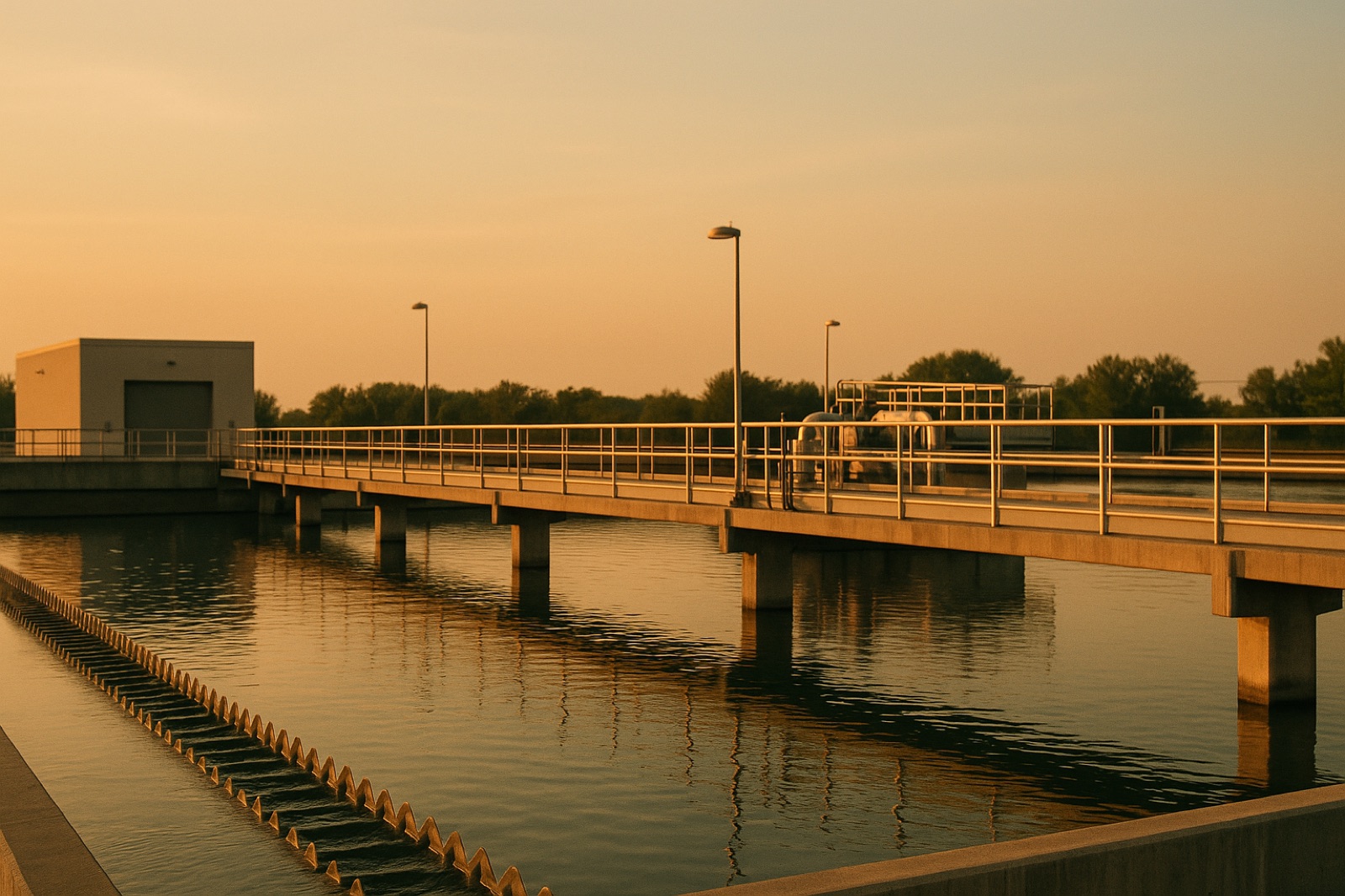
The quality of drinking water is a fundamental concern across the United States, yet many communities, particularly those in rural and Tribal areas, face significant challenges when it comes to accessing clean and safe water. Recently, the U.S. Environmental Protection Agency (EPA) announced a substantial funding initiative aimed at improving water infrastructure in American Indian Tribes and Alaska Native Villages, with over $227 million directed toward this essential cause. This investment represents a critical step forward in addressing the longstanding issues of water access faced by these communities.
The Importance of Reliable Water Infrastructure
Reliable access to clean drinking water is not just a matter of convenience; it is essential for public health and overall community well-being. Many Tribal communities have struggled with outdated or inadequate water systems that do not meet modern health standards. The consequences of these deficiencies can be severe, leading to health risks and perpetuating cycles of poverty.
The funding announced by the EPA will help to improve both drinking water and wastewater services in these regions. The goal is to ensure that every member of these communities has access to safe and reliable water. This initiative is particularly timely, as many Tribal areas have been disproportionately impacted by environmental factors that compromise water quality.
What Does the Funding Cover?
While the specifics of the projects funded will vary by community, the allocation is intended to support a range of improvements. These can include upgrades to existing water treatment facilities, the construction of new infrastructure, and initiatives to enhance water management practices. The EPA's investment also emphasizes the importance of community engagement and sustainability in water project planning, ensuring that local voices are heard in the decision-making process.
Moreover, this funding is part of a broader federal effort to address water quality issues across the nation. It acknowledges the need for significant investment in water infrastructure, especially in areas that have historically been underfunded. The announcement reflects an understanding that safe drinking water is a right, not a privilege, and that more must be done to ensure equitable access.
Contextualizing the Investment
This funding comes at a time when water quality is under renewed scrutiny nationwide. As communities face increasing challenges from contaminants and aging infrastructure, the call for robust investment in water systems has grown louder. For example, PFAS and Microplastics: Are Patterns Repeating? discusses how widespread contamination issues related to PFAS have highlighted the vulnerabilities of water systems. The EPA's funding for Tribal communities can be viewed as a proactive measure to prevent similar crises, recognizing that early investment in infrastructure is crucial for long-term water safety.
Furthermore, the announcement aligns with the broader goals of environmental justice, acknowledging that many marginalized communities have not received adequate support to address their unique water challenges. By directing substantial resources to Tribal areas, the federal government aims to rectify some of these historical inequities.
Looking Ahead
The allocation of $227 million for Tribal water infrastructure is a significant development, but it is only one part of a much larger puzzle. As these funds are disbursed and projects are implemented, ongoing monitoring and evaluation will be essential to ensure that the investments lead to tangible improvements in water quality. Collaboration between federal agencies, Tribal governments, and community organizations will be key to ensuring the success of these initiatives.
In conclusion, while the challenges surrounding access to clean water in Tribal communities are complex, the recent federal investment represents a hopeful step forward. It underscores a commitment to equity in water access and sets a precedent for future funding initiatives aimed at improving the health and well-being of vulnerable populations. With strategic planning and community engagement, these efforts have the potential to transform water infrastructure in Tribal areas for generations to come.